
Did you know exterior home inspections can find up to 40% of repair costs before a sale? It’s not just about looks. It’s a detailed check of siding, flashing, and trim. This helps ensure the home is safe and in good shape.
For those buying or selling a home, this inspection is key. It helps understand the home’s condition. It’s like getting a first look at the home’s health.
Getting a professional to inspect the exterior is smart. It gives a full check of the property. This includes the roof and foundation, making sure everything is sound.
Key Takeaways:
- Exterior home inspections reveal up to 40% of possible repair costs early on.
- Roof integrity and safety are key, checking materials, age, and damage.
- Inspecting siding, flashing, and trim for wear, damage, and moisture issues.
- Decks are checked for structure and safety features.
- Foundation analysis looks for cracks, bulging, water damage, and grading problems.
- Windows and doors are checked for function, weather resistance, and security.
- A full property analysis helps make informed decisions for buyers and sellers.
Introduction to Exterior Home Inspection

Starting an exterior home inspection is like a detailed dance between the inspector and the property. It’s the first step to understanding a home’s true condition. Every part, from the roof to the eaves, has its own role.
“The narrative of an exterior home inspection unfolds through a meticulous assessment of the property’s outer defenses against nature’s elements. Each chapter of this examination, from the siding to the windows, tells a unique story of resilience or vulnerability.”
A detailed exterior check shows how time and weather have affected your home. The siding, flashing, and trim protect it from nature. Exterior doors, eaves, soffits, and fascia all play a part in the home’s story.
Our checks are like a well-tuned orchestra. The property’s elements work together in harmony. This review is essential, showing how well the home stands up to the elements.
Walkways, patios, and driveways are like paths in a garden. Exterior windows are like the home’s eyes, showing its health. This assessment reveals the home’s ability to withstand the elements and provide safety.
Inspecting Roof Integrity and Safety
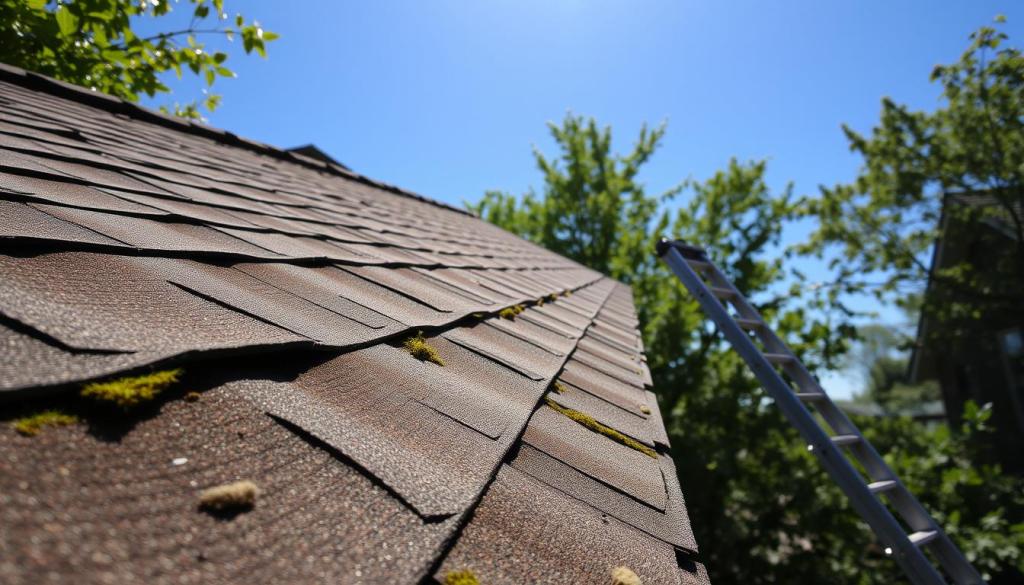
The roof is like the first note in a song, setting the stage for a home’s safety and beauty. Inspectors carefully check the roof to make sure it’s working well. They look at different materials like asphalt shingles and slate for any damage.
Asphalt shingles are common because they’re affordable and easy to put on. But, wooden roofs need extra care because they can rot or split. Clay and concrete tiles are durable and fireproof, while metal roofs are strong against bad weather.
Inspectors check the roof’s details, like the condition of the flashing. Flashing keeps water out. If it’s damaged, it needs to be fixed right away.
Skylights are important too. They need to be sealed well to avoid leaks. Vent pipes must also be secure to keep the attic well-ventilated.
Roof ventilation is key. It helps air move through the attic. This keeps the roof and the house energy-efficient.
It’s important to check the roof regularly. Most roofs need an annual check, while older ones might need it twice a year. Small problems, like missing shingles, can grow into big issues if not fixed.
Drone technology is changing how we inspect roofs. It’s safe, efficient, and accurate. This way, we can keep our homes in top shape.
Importance of Siding, Flashing, and Trim
The exterior of a home is like a guardian of a treasured symphony. Each element works together to create a beautiful whole. Siding, flashing, and trim are key, not just for looks but for protection against nature’s forces. A thorough Material Inspection makes sure they work together well.
The U.S. Department of Energy’s Building America Best Practices Series, Volume 11, shows how important kickout flashing is. It keeps moisture out. Even though siding may hide water damage, it must be checked carefully to avoid hidden problems.
Properly executed step flashing and roof-wall water deflectors, seamlessly integrated with housewrap, cladding, and gutters, form a choreography that effectively wards off water at critical intersections of roofs and walls.
Following industry standards for shingle starter strips is also key. It keeps the home strong. Exterior doors and windows, made of durable materials, also play a big role in protecting against the weather.
Trim around windows and doors, made from strong materials, helps keep rainwater away. Eaves, soffits, and fascia work together to divert rain. Corner boards and deck flashing, made of metals, stop water and prevent mold or mildew.
- The right siding keeps the home safe from wind, rain, and snow.
- Flashings, like stainless steel or copper, direct rainwater away from weak spots.
- Trim around exterior features not only decorates but also functions as a battlement, preventing gaps and conserving energy.
In conclusion, siding, flashing, and trim are the home’s defense against weather. They keep the home safe and beautiful. Through careful Material Inspection, these parts work together like a maestro leading an orchestra.
Assessing Exterior Doors and Windows
Doors and windows are more than just openings. They connect our homes to the outside world. We start by checking the structural examination of entries. Each frame and sill is carefully looked at.
During the window condition assessment, we see the beauty of glass and wood. We make sure there’s no problem with drafts or moisture. This helps keep our homes comfortable and safe.
In the door functionality check, we check how doors open and close. We look at hinges, locks, and thresholds. This makes sure our doors are not just entrances but also protect our homes.
To make our homes safe, we focus on every detail. Windows and doors are key. They help protect our homes from the outside world.
Evaluating Eaves, Soffits, and Fascia
The eaves, soffits, and fascia are key parts of a home’s design and function. They work together to keep the home strong. These parts are important for the structural soundness of a house.
The eaves sing alongside the other elements of home construction, turning each inspection into a melodic appraisal of possible weaknesses and strength.
Eaves inspection is the first step in checking these areas. Inspectors make sure there’s no debris or organic matter. Cleaning them twice a year helps prevent water damage.
This keeps the soffits and fascia looking good and lasting longer. It stops dirt, mold, and mildew from building up.
Next, we look at the soffits and fascia integrity. Today, we use materials like vinyl and UPVC, along with wood and aluminum. This mix makes these parts last longer and look better.
Experts also check for cracks and gaps during this time. These can let pests in. They make sure these parts are strong and work well.
For home inspections in Chicagoland and more, a full check is important. For $295, you get a detailed report in 24 hours. It covers many parts of the home, like the roof and siding.
Foundation and Grading Analysis
The foundation of a home is like a silent anchor, keeping it stable and secure. Foundation Integrity is about more than just building it. It’s about how well it stands up to time and weather. A good foundation works with the land around it, moving water away from the house.
This balance is key to avoiding water damage and structural problems. It’s all about keeping the house safe from water and pressure.
When walls start to bow or lean, it’s a sign of trouble. Small cracks in walls can be a warning sign. But big, jagged cracks mean the foundation is settling a lot.
Doors and windows that are hard to open or close can also be a sign. These issues can let in drafts and pests. Basements may show signs of water damage, which is a big problem.
Good grading helps water flow away from the foundation. But bad gutters and downspouts can cause water to gather. Checking basements and crawl spaces for water, mold, and mildew is very important.
Engineers can help by analyzing the foundation and suggesting repairs. They might suggest underpinning or slab jacking to fix problems. Wall anchors can also help stabilize walls.
Inspectors use tools like moisture meters to find hidden damp spots. This helps ensure the home is strong and safe. The cost of these services can vary, but it’s worth it for peace of mind.
Inspecting Walkways, Patios, and Driveways
Inspecting walkways is like tuning an orchestra. It makes sure every step is perfect. These paths welcome friends and family into our homes.
Every small change or wear tells a story. It shows us what needs fixing to keep things safe and beautiful.
Checking patio conditions is like a pause in music. It’s a time to rest and think. Patios need to be perfect for safety and beauty.
They must have the right materials and drainage. This makes sure they are safe for gatherings.
Driveway maintenance is like the strong beat in music. It keeps the home safe and welcoming. Every small problem must be fixed to keep the driveway in good shape.
This care makes sure visitors have a smooth and safe arrival. It’s all about keeping the home’s exterior in top shape.
From the moment someone steps on the walkway to leaving, everything must be perfect. Inspections are like a careful watch, fixing any problems to keep the home looking great.
“Inspectors recommend clients to schedule a home inspection either before or immediately after signing the purchase contract.”
Keeping the exterior beautiful is our goal. Each check-up is not just about finding problems. It’s about making sure our paths, patios, and driveways are safe and lovely.
Our work turns routine checks into an art. Every detail we inspect adds to the beauty of a well-kept home.
Decks and Porches: Structural Inspection
Inspecting decks and porches is like a conductor tuning a symphony. Every detail of the decking boards and supports is checked. This ensures safety and durability.
Decks and porches are more than just places for quiet moments. They’re also where we celebrate. So, their safety is key. Inspectors check for rot, decay, and stability.
Inspecting decking boards and supports is critical. They must work together to support weight. Regular checks and maintenance are essential to prevent injuries.
Inspectors also look at flashing and joist hangers. Wrong installations can cause water damage. This can weaken the structure, much like a wrong note in music.
Inspecting decks in early spring is best. It prepares them for summer. Cleaning, sealing, and maintaining wood decks yearly keeps them looking and feeling good.
With millions of old decks in the U.S., safety is a big concern. Proper installation and care prevent collapses. This ensures decks and porches are safe for all.
Identifying Wood Destroying Insects
Many homes hide a secret: wood-destroying insects. A termite inspection is key to keeping homes safe. Inspectors look for termites, carpenter ants, beetles, and carpenter bees in hidden spots.
In places like West Chester, pest control is a must. A big termite colony can eat a lot of wood every day. Inspectors look for signs like mud tubes and damaged wood.
The NPMA-33 form is a report from termite inspections. Regular checks help find and fix problems early. Keeping mulch and woodpiles away from homes helps prevent termites.
Termite inspectors know about other pests too. They check for more than just termites. Their work helps protect homes in 49 states, except Alaska.
“Regular pest management services extend into every corner of human habitation: homes, businesses, healthcare facilities, and more. Each inspection, each repair, is a stroke in the larger portrait of preserving our living spaces.”
Conclusion
Our journey through exterior home inspection comes to an end. We’ve seen how a detailed review protects a big investment. This careful check looks at every part of the house, from siding to windows. It shows how each piece keeps the house looking good and standing strong.
The summary of this inspection is a story of careful checking. It looks at the roof, eaves, and even the ground around the house. It checks walkways, patios, and driveways, and makes sure decks and porches are safe. It also finds hidden problems like wood-destroying insects. This detailed look keeps your home safe, working well, and looking great.
Think of a home inspector like a conductor of an orchestra. They make sure everything works together perfectly. They check the house from top to bottom, making sure it’s strong and beautiful. These inspections, which cost between $296 and $424 and take two to four hours, are key to keeping your home in good shape. They help both buyers and sellers, making sure the house’s story is one of peace and security.