Introduction: The Vital Role of Roof Inspections in Home Inspections
When purchasing a new home or having a home inspection performed, one aspect that should never be overlooked is the roof. Often out of sight, the roof plays a critical role in maintaining the structural integrity of your home. A damaged or poorly maintained roof can lead to serious water damage, mold growth, and expensive repairs down the line.
In this article, we’ll dive into the importance of roof inspections during home inspections, discuss what’s typically involved, highlight common roof issues, and explain why hiring a professional inspector is crucial to protecting your home from costly surprises.
The Role of Roof Inspections in Home Inspections
A home inspection serves as a comprehensive evaluation of a property, and the roof is one of the most essential components in that process. The roof protects the entire structure of your home from the elements, and any damage or deterioration can lead to serious consequences.
During a roof inspection, the home inspector will check various components of the roof, including shingles, flashing, gutters, vents, and the chimney. They will look for signs of wear and tear, leaks, and improper installation that could cause long-term issues. Additionally, the attic will also be inspected for signs of moisture damage, mold growth, or improper ventilation, which can directly affect the roof’s condition.
By including a thorough roof inspection in your home inspection process, you can identify any problems before they escalate, saving you money on unexpected repairs and ensuring the safety and comfort of your home.
The Consequences of Ignoring Roof Inspections
Neglecting a roof inspection can lead to significant issues that may go unnoticed until they become major problems. For example, small leaks can cause water to seep into the interior of the home, damaging insulation, walls, and ceilings. Over time, untreated leaks can weaken the roof structure, leading to costly repairs or even roof replacement.
Common roof problems that may go undetected include:
- Missing or Damaged Shingles: Storms, high winds, or simply aging can cause shingles to loosen, crack, or detach. This leaves the underlying roof structure vulnerable to water damage.
- Improper Flashing: Flashing around chimneys, skylights, and vents is meant to direct water away from vulnerable areas. If flashing is damaged or poorly installed, water may leak into the home, causing structural damage and mold growth.
- Clogged Gutters: Gutters that are full of debris or improperly pitched can cause water to pool on the roof, leading to leaks and rot.
- Attic Ventilation Issues: Poor ventilation in the attic can trap moisture and heat, leading to mold, mildew, and even damage to the roof structure.
By skipping a roof inspection, homeowners risk expensive repairs, property damage, and potential safety issues.
Why Hiring a Professional Roof Inspector is Essential
When it comes to roof inspections, it’s crucial to hire a professional inspector. While some homeowners may attempt to inspect their own roofs, professional inspectors bring expertise, training, and the right equipment to thoroughly assess a roof’s condition.
Key reasons to hire a professional roof inspector:
- Experience and Knowledge: Professional inspectors have the knowledge to spot hidden issues that might not be obvious to an untrained eye. They understand roofing materials, techniques, and common problem areas.
- Safety: Inspecting a roof can be dangerous, especially on steep or high roofs. Professional inspectors are trained to safely assess the condition of a roof without risking injury.
- Specialized Tools: Inspectors often use advanced tools, such as moisture meters and infrared cameras, to detect problems like leaks or insulation issues that may not be visible during a simple visual inspection.
- Objective Evaluation: A professional inspector provides an unbiased assessment of the roof’s condition, ensuring you get an accurate report on any potential issues.
Hiring a professional ensures that the roof inspection is thorough, providing you with peace of mind and preventing costly surprises down the road.
What to Expect During a Roof Inspection
When a professional roof inspector evaluates your roof, the process generally includes a visual inspection followed by a more in-depth assessment of the roof’s condition. Here’s what you can expect:
- Visual Assessment: The inspector will examine the roof from the ground, looking for obvious signs of damage such as missing or curled shingles, damaged flashing, or broken gutters.
- On-Roof Inspection: Depending on the type of roof and its condition, the inspector may climb onto the roof to assess it more closely. They’ll check for signs of wear and tear, examine the chimney, vents, and any other penetrations, and ensure that all roofing materials are intact.
- Attic Inspection: The inspector will enter the attic space to look for signs of water stains, mold, or improper ventilation. This area is crucial for determining whether moisture is entering the home from the roof.
- Documentation: The inspector will document their findings with notes and photographs, providing you with a detailed report that highlights any issues found during the inspection.
Common Roof Issues and Their Implications
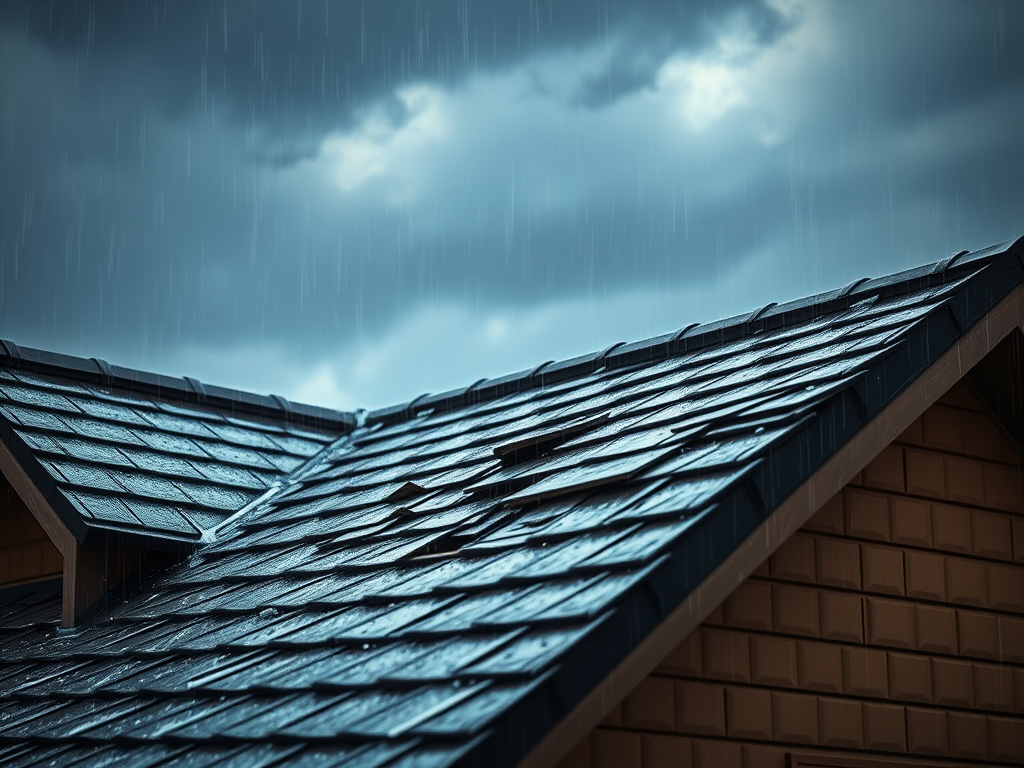
Understanding common roof problems is essential to appreciating the value of regular inspections. Here are some of the most common issues found during roof inspections and their potential consequences:
- Missing or Damaged Shingles: When shingles are damaged, the roof is exposed to water infiltration, which can lead to leaks, water damage, and mold growth.
- Improper Flashing: Flashing helps prevent water from entering areas like chimneys, skylights, and vents. If flashing is improperly installed or damaged, it can lead to leaks and water damage.
- Clogged Gutters: Water that cannot flow freely through gutters can pool on the roof, leading to water damage and potential rot.
- Poor Attic Ventilation: Inadequate ventilation in the attic can trap heat and moisture, leading to mold growth, premature aging of the roof, and higher energy bills.
Benefits of Regular Roof Maintenance
Maintaining your roof is essential to prolonging its lifespan and preventing expensive repairs. Regular roof inspections offer several benefits:
- Early Problem Detection: Identifying issues early can prevent them from becoming major, costly problems.
- Prolonged Roof Life: Regular maintenance and prompt repairs help extend the life of your roof.
- Improved Energy Efficiency: A well-maintained roof can improve insulation, reducing energy costs by keeping your home cooler in the summer and warmer in the winter.
Conclusion: Ensuring the Longevity of Your Roof
In conclusion, roof inspections are an essential part of any home inspection process. By ensuring that your roof is in top condition, you can avoid costly repairs, water damage, and potential health hazards like mold. Regular roof inspections and maintenance play a crucial role in protecting your home and extending the life of your roof.
To schedule a comprehensive home inspection with a thorough roof evaluation, contact Dynamic Inspections. Our team of certified professionals will provide a detailed report, helping you make informed decisions and keep your home safe and sound.
References: