Lead Safe • Landlords • Rental Compliance • New Jersey
What We Look For During a Lead Safe Inspection in New Jersey (and How to Prepare)
Preparing for a Lead Safe Inspection & Risk Assessment in New Jersey can feel stressful—especially if you’re worried about failing and delaying your rental timeline. The reality is that most failures are predictable, preventable, and tied to a few common conditions that property owners can address ahead of time with the right information.
In this guide, we’ll explain what inspectors actually look for, why certain areas receive extra attention, and how you can prepare your property so the inspection goes smoothly.
Why New Jersey Requires Lead Safe Inspections
Lead exposure—especially from lead-contaminated dust—remains a public health concern, particularly for children. New Jersey’s Lead Safe program focuses on identifying and correcting conditions that can create lead hazards in rental housing.
The New Jersey Department of Community Affairs provides a helpful overview of the Lead Safe requirements for rental properties here: NJ DCA – Lead-Based Paint Inspections in Rental Dwelling Units .
What a Lead Safe Inspection Is (and What It Is Not)
A Lead Safe Inspection is not about finding lead everywhere. It is a **risk-based evaluation** designed to identify conditions that can generate lead dust or expose occupants to deteriorated lead-based paint.
- Identifies deteriorated paint and high-wear surfaces
- Evaluates friction and impact points that create dust
- Focuses on realistic, correctable defects
- Documents conditions clearly for owners and municipalities
When we perform a Lead Safe Inspection & Risk Assessment in New Jersey, our goal is to reduce uncertainty and help owners understand exactly what needs attention.
The Most Common Reasons Properties Fail
In the field, failures tend to show up in the same locations over and over again. These areas combine painted surfaces, movement, and daily contact.
Windows and Window Sills
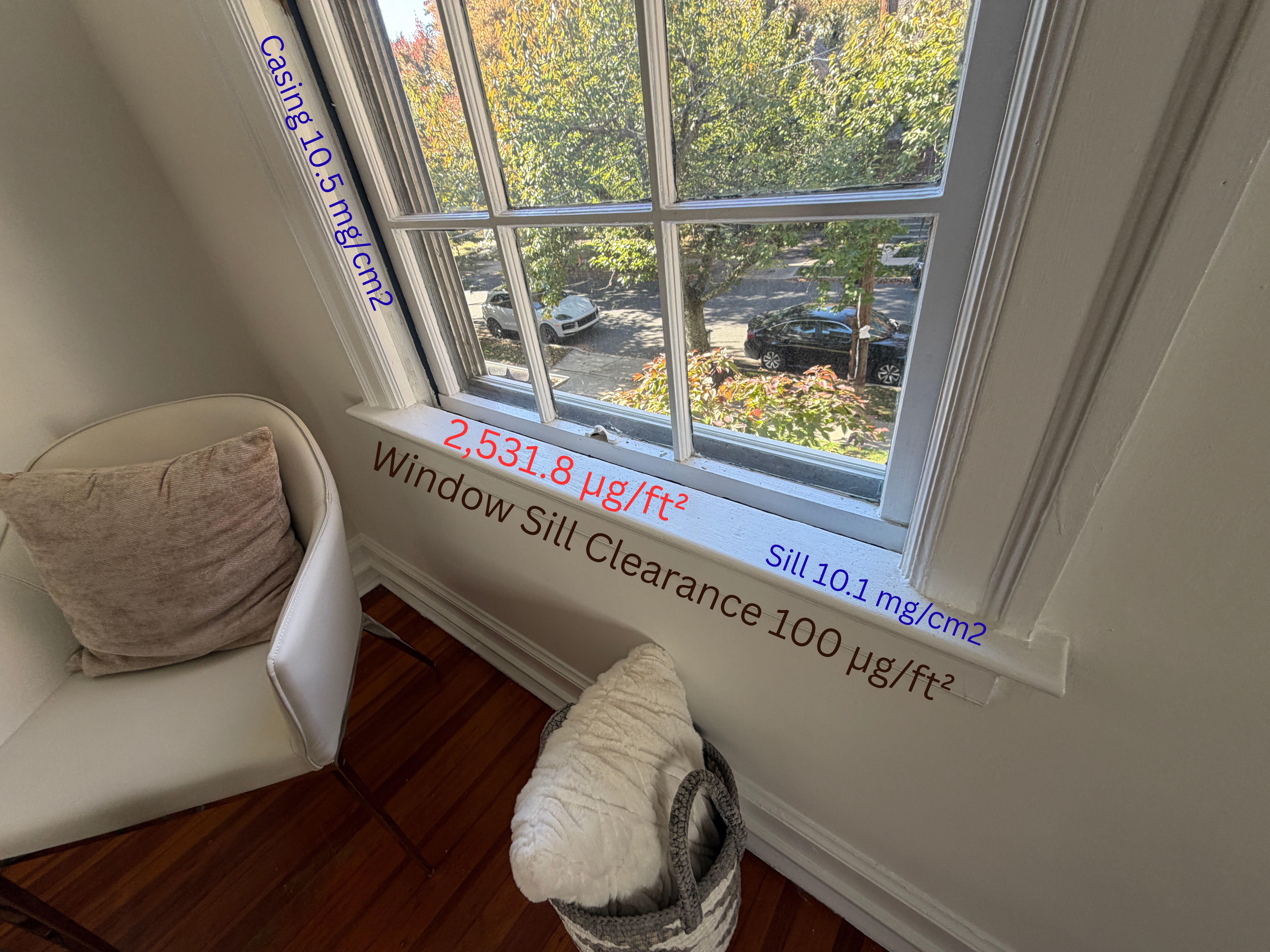
Windows are one of the highest-risk components because opening and closing creates friction. Even paint that looks “mostly intact” can generate dust over time.
Doors, Thresholds, and Floors
Dust settles. Floors and door thresholds are high-contact surfaces where lead dust can collect and spread throughout a unit—especially near entry points.
Why We Perform Dust Wipe Sampling
You cannot see lead dust with the naked eye. That’s why, when appropriate, we include dust wipe sampling as part of a Lead Safe Inspection & Risk Assessment in New Jersey. It provides objective, laboratory-verified data.

Dust wipe testing helps protect tenants, property owners, and inspectors by confirming that cleaning and repairs were effective—especially after paint disturbance or renovation.
Floors and door thresholds are tested because they are high-contact areas where lead dust can accumulate.Dust wipe testing helps protect tenants, property owners, and inspectors by confirming that cleaning and repairs were effective—especially after paint disturbance or renovation.
What the Numbers Mean
Federal guidance outlines lead dust hazard and clearance levels used throughout the industry. You can review current EPA standards here: EPA Lead Dust Hazard and Clearance Levels .
In plain terms, these standards explain why floors and window sills receive so much attention—they are the most common exposure pathways in occupied housing.
How to Prepare for a Lead Safe Inspection
The fastest way to prepare for a Lead Safe Inspection & Risk Assessment in New Jersey is to address predictable defect areas before the appointment.
- Repair deteriorated paint properly (no dry scraping or sanding)
- Fix windows or doors that rub or stick
- Thoroughly clean floors, sills, and thresholds
- Avoid last-minute cosmetic touch-ups
- Provide clear access to windows, doors, and trim
Next Steps
For a full overview of our process and approach, visit our service page: Lead Safe Inspection & Risk Assessment in New Jersey .
Ready to move forward? You can schedule your inspection here: Schedule an Inspection.