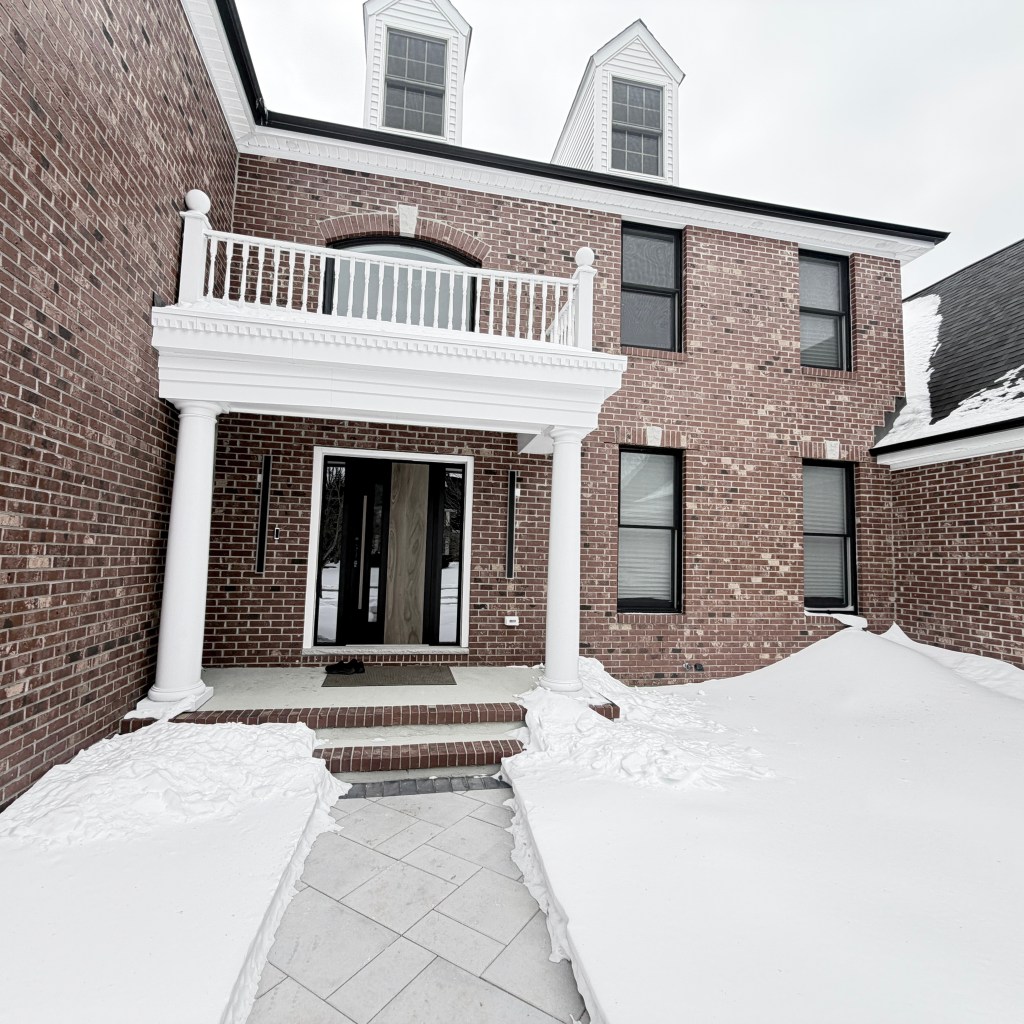
Buying a home during the winter months in New Jersey can feel like stepping into the unknown. Snow on the roof, frozen ground, and chilly temperatures often make buyers wonder whether an inspection can really uncover everything they need to know.
But here’s something many people don’t realize — winter is actually one of the best times of year to inspect a home.
If you’re purchasing a property in Burlington County, Camden County, or surrounding higher-income communities in Southern New Jersey, having a thorough Winter home inspection NJ checklist can protect you from costly surprises after closing.
Winter places homes under real-world stress. Plumbing systems face freezing conditions. Roofs deal with snow load and ice buildup. Heating systems run constantly. Drainage systems are tested by melting snow.
All of these conditions tend to expose weaknesses that might stay hidden during spring or summer.
As a local home inspector serving Southern New Jersey, I regularly uncover issues during winter inspections that buyers would likely never notice in warmer months.
Let’s walk through exactly what every NJ homebuyer should look for during a winter home inspection — and why it matters.
Why Winter Home Inspections Are Often More Valuable Than You Think
It’s common to hear people say, “I’ll wait until spring to buy so I can get a better inspection.”
In reality, winter often tells you more about a home than any other season.
Cold weather highlights:
• Poor insulation
• Drafty windows and doors
• Heating system problems
• Moisture intrusion
• Plumbing vulnerabilities
A home that performs well during freezing temperatures is far more likely to perform well year-round.
In Southern New Jersey, where weather swings between hot, humid summers and cold winters, homes go through a lot of seasonal stress. Winter inspections show how well a property truly holds up.
While snow may limit visibility of some exterior surfaces, professional inspectors are trained to identify interior clues that reveal bigger issues.
In many cases, winter inspections uncover more significant defects than summer inspections ever could.
Plumbing Systems: One of the Biggest Winter Risks for NJ Homes
Frozen pipes are one of the most common and expensive winter disasters homeowners face in New Jersey.
When water inside a pipe freezes, it expands. That expansion puts enormous pressure on the pipe walls and joints. Even a small crack can release gallons of water once the ice melts.
During winter inspections, special attention is paid to:
• Exposed pipes in basements and crawlspaces
• Plumbing near exterior walls
• Areas with limited insulation
• Older copper or galvanized piping
• Signs of corrosion or previous leaks
In many older Burlington County neighborhoods, homes still contain original plumbing systems. While copper piping is durable, it doesn’t last forever. Oxidation, corrosion, and age slowly weaken the metal.
Common winter findings include:
• Greenish corrosion on copper lines
• Mineral buildup around joints
• Past patch repairs
• Slight moisture staining
Even when there’s no active leak, these signs often point to future failure.
Frozen pipe damage can involve:
• Flooded basements
• Ruined flooring and drywall
• Mold growth
• Expensive plumbing repairs
According to the U.S. Consumer Product Safety Commission, frozen pipes are one of the leading causes of winter-related water damage in homes, often resulting in thousands of dollars in repairs each year.
https://www.cpsc.gov/Safety-Education/Safety-Guides/Home/Frozen-Pipes
Catching vulnerable plumbing during an inspection allows buyers to plan repairs or negotiate before closing.
Roof Condition: Winter Finds the Weak Spots
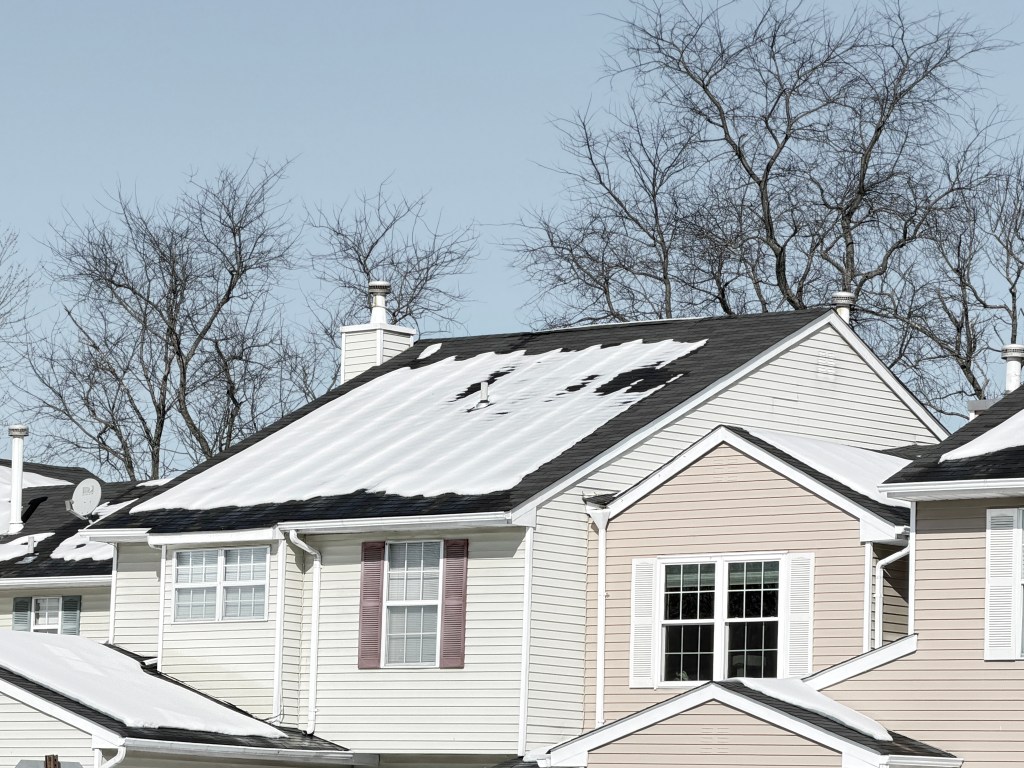
Snow and ice are excellent at exposing roofing problems.
Small gaps in flashing, worn shingles, or aging materials can allow melted snow to seep under the roof covering.
Winter inspections often uncover:
• Water stains on ceilings
• Damp attic insulation
• Mold growth in attic spaces
• Active dripping during thaw cycles
Homes in upscale Southern NJ communities frequently feature:
• Multiple roof valleys
• Dormers
• Skylights
• Architectural designs
While these features enhance curb appeal, they also increase the risk of winter leaks.
A roof may look fine on a sunny day in July, but winter conditions reveal how well it truly sheds water.
Roof issues discovered early can save buyers from major repair bills.
Ice Damming: A Very Common NJ Winter Problem
Ice damming is one of the most frequent winter issues found during home inspections in New Jersey.
Here’s how it typically happens:
Warm air from inside the home escapes into the attic. This heat warms the roof surface, melting snow. The melted water flows downward until it reaches the colder roof edges. There, it refreezes.
Over time, thick ridges of ice form along the roofline.
That ice traps water behind it.
The trapped water then backs up under shingles and enters the home.
Signs of ice damming include:
• Large icicles hanging from gutters
• Thick ice buildup along roof edges
• Water stains near exterior walls
• Peeling paint or warped drywall
Ice dams usually indicate underlying problems such as:
• Poor attic insulation
• Inadequate ventilation
• Air leaks from living space into attic
Simply removing ice isn’t enough. The root cause must be addressed to prevent repeat damage.
Basement Moisture and Drainage Issues Exposed by Snowmelt
Winter snowmelt is a great test of a home’s drainage system.
Water should always flow away from the foundation.
When grading slopes toward the house or drainage systems fail, moisture can accumulate around foundation walls and seep inside.
Common winter inspection findings include:
• Damp basement walls
• Pooled water near exterior walls
• Efflorescence (white powder residue) on masonry
• Musty odors
• Warped baseboards or flooring
In many higher-end NJ homes, finished basements are popular living spaces. Unfortunately, finished walls can hide moisture problems for years.
Unchecked moisture can lead to:
• Mold growth
• Structural deterioration
• Costly renovations
Winter inspections often reveal moisture intrusion more clearly than dry summer months.
Heating System Performance Under Real Conditions
Winter is the perfect time to evaluate a home’s heating system.
During warm months, heating equipment may not run at all. In winter, it’s working constantly — which allows inspectors to observe how well it performs under load.
During winter inspections, we look for:
• Proper startup and shutdown
• Consistent heating throughout the home
• Unusual noises or vibrations
• Signs of corrosion or overheating
• Proper venting and exhaust
Common winter findings include:
• Aging furnaces nearing end of life
• Short cycling systems
• Poor airflow
• Inefficient heat output
Replacing a heating system can cost several thousand dollars, making this one of the most important inspection items.
Insulation and Energy Efficiency
Cold weather quickly exposes insulation problems.
Homebuyers often notice:
• Cold rooms
• Drafty floors
• Uneven heating
• High utility bills
These usually point to:
• Inadequate attic insulation
• Gaps in wall insulation
• Air leaks around penetrations
Poor insulation doesn’t just affect comfort. It also contributes to:
• Ice damming
• Condensation issues
• Moisture buildup
A properly insulated home stays warmer, uses less energy, and experiences fewer winter-related problems.
The U.S. Department of Energy notes that poor insulation and air leaks are major contributors to ice dam formation and excessive heat loss during winter months.
https://www.energy.gov/energysaver/air-sealing-your-home
Windows, Doors, and Exterior Sealing
Winter inspections make it easy to identify poorly sealed openings.
Inspectors check for:
• Drafts around window and door frames
• Failed double-pane window seals
• Condensation between glass panes
• Cracked caulking or weather stripping
In homes with large window systems — common in higher-value NJ properties — heat loss can be significant if sealing is poor.
Over time, moisture intrusion through gaps can damage framing and finishes.
Attic Conditions and Ventilation
Attics play a huge role in winter home performance.
During inspections, we evaluate:
• Insulation depth and coverage
• Proper ventilation
• Moisture buildup
• Signs of roof leaks
Poor attic conditions often lead to:
• Ice dams
• Mold growth
• Energy loss
Winter makes these problems far easier to detect.
Exterior Limitations Caused by Snow
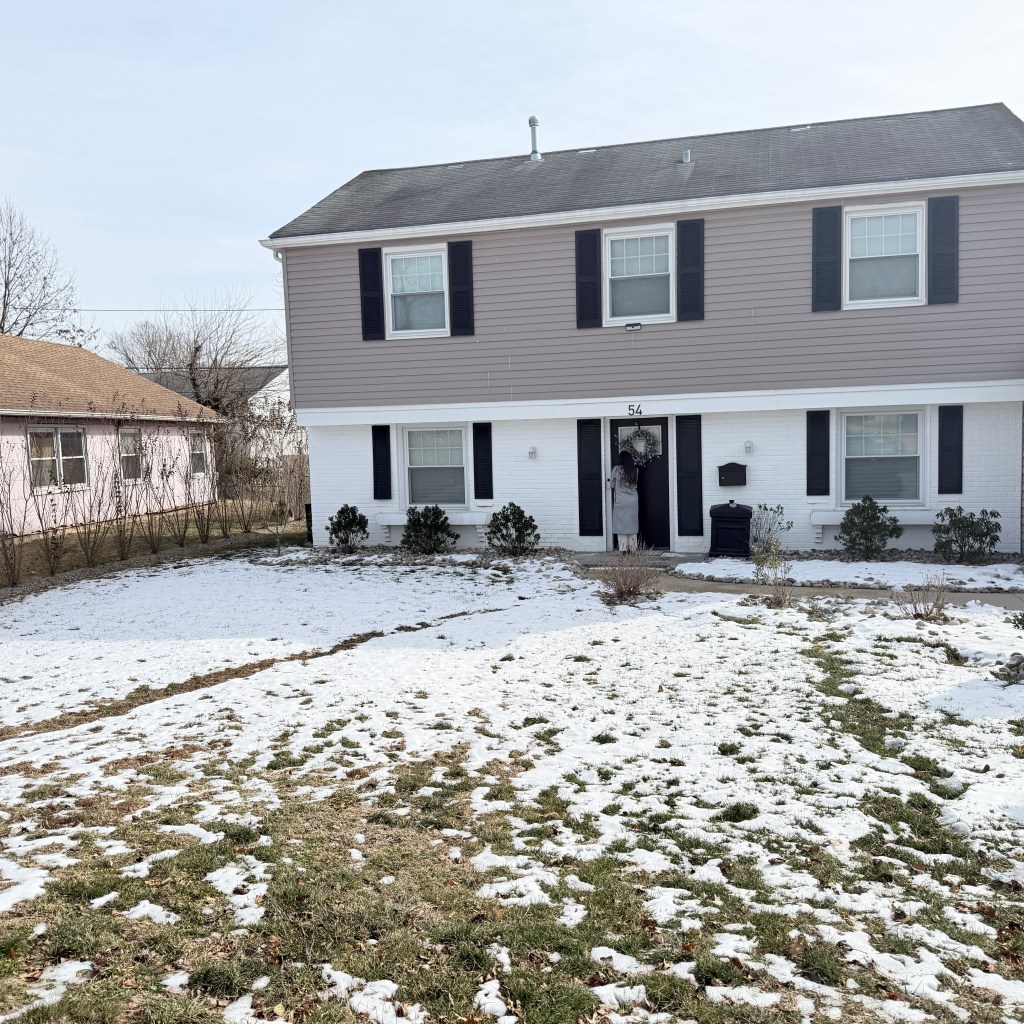
Snow can limit visibility of certain components such as:
• Roof surfaces
• Patios and walkways
• Grading slopes
• Portions of foundation walls
A professional inspector will document these limitations clearly and rely on interior evidence where possible.
Follow-up inspections may be recommended once snow melts.
Despite these limitations, winter inspections still provide valuable insight into a home’s condition.
Why Choosing an Experienced Inspector Matters
New Jersey’s climate presents unique challenges that national inspection checklists often overlook.
Local inspectors understand:
• Freeze-thaw cycles
• Regional soil conditions
• Coastal humidity influence
• Older construction styles common in NJ
At Dynamic Inspections LLC, we focus on inspecting, informing, and educating clients so they can make confident homebuying decisions.
Learn more about our home inspection services here:
👉 https://dynamicinspections.net
You can also explore our environmental and moisture testing services here:
👉 https://dynamicinspections.net
Final Thoughts: Winter Is One of the Best Times to Inspect a Home
Buying a home in winter doesn’t have to feel risky.
With a thorough Winter home inspection NJ checklist, buyers can uncover hidden defects before closing.
From frozen plumbing and roof leaks to drainage issues, insulation problems, and heating system performance, winter inspections often reveal a home’s true condition.
For buyers in Burlington County, Camden County, and surrounding Southern New Jersey communities, investing in a professional winter inspection is one of the smartest steps you can take to protect your investment.