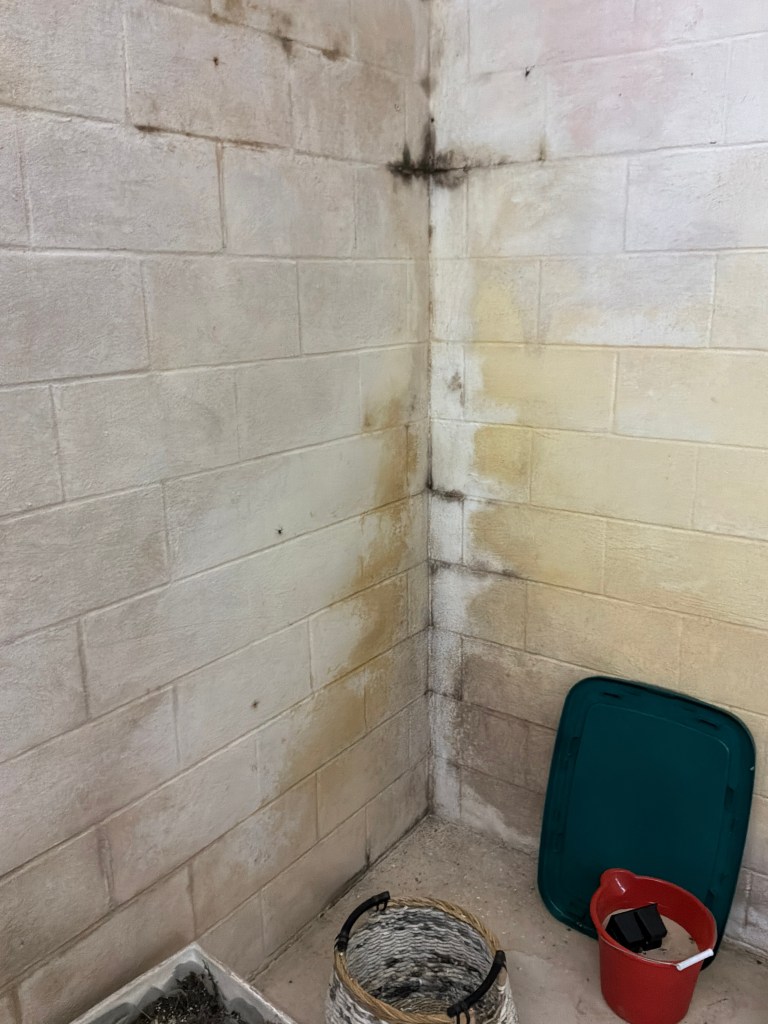
When it comes to protecting your home, few components are as critical—and as overlooked—as the foundation. At Dynamic Inspections LLC, we inspect homes throughout New Jersey and Eastern Pennsylvania, and one thing is consistent: foundation issues are more common than most homeowners realize.
Whether you’re buying, selling, or maintaining a property, understanding how foundations behave—and how they fail—can save you thousands of dollars and prevent serious structural concerns down the road.
In this guide, we’re going to walk through what we look for during a foundation inspection, the most common problems we encounter, and why drainage, moisture control, and proper construction all play a major role in the long-term performance of your home.
Why Foundation Inspections Matter
Your foundation is responsible for supporting the entire structure of your home. When something goes wrong, the symptoms often appear in other areas of the house first.
- Cracks in drywall or ceilings
- Uneven or sloping floors
- Doors and windows that stick or won’t latch
- Gaps between trim and walls
- Moisture or musty odors in basements and crawl spaces
These issues may seem cosmetic, but they are often early warning signs of structural movement or moisture intrusion.
If you’re buying a home, a professional home inspection in NJ and PA can help identify these issues before they become your responsibility.
Common Foundation Problems We Find During Inspections
1. Foundation Cracking
Cracking is one of the most common conditions we observe during foundation inspections. However, not all cracks indicate a serious structural problem. Understanding the type, location, and behavior of a crack is critical in determining whether it is a typical condition or something that requires further evaluation.
Hairline Cracks
Hairline cracks are typically the result of normal shrinkage as concrete cures after initial construction. These cracks are usually thin, uniform, and do not show signs of movement. While generally considered cosmetic, they should still be monitored over time to ensure they do not widen or change.
Vertical Cracks
Vertical cracks are commonly associated with normal settlement or shrinkage and are often less severe than other crack types. In many cases, they do not indicate structural failure. However, they can still allow moisture intrusion, especially in basement or crawl space walls, and should be sealed and monitored.
Horizontal Cracks
Horizontal cracks are more concerning and are often associated with lateral pressure from soil, including hydrostatic pressure caused by water-saturated conditions around the foundation. These cracks may indicate that the wall is under stress and could potentially bow or fail if the underlying cause is not addressed. Further evaluation is typically recommended.
Stair-Step Cracks
Stair-step cracks are commonly found in masonry block or brick foundations and typically follow the mortar joints in a stepped pattern. These cracks may indicate settlement or movement of the foundation and can vary in severity depending on their size, width, and progression.
What We Evaluate During an Inspection
When assessing cracks, we look beyond just their appearance. Key factors include:
- Width of the crack (hairline vs. widening gaps)
- Length and pattern (isolated vs. continuous)
- Location (mid-wall, corners, near openings)
- Signs of movement (displacement, offset, or widening)
- Moisture intrusion (staining, efflorescence, or dampness)
Cracks that are actively changing, widening, or associated with other symptoms—such as sloping floors or sticking doors—may indicate more significant structural concerns.
Why Monitoring Matters
Not all cracks require immediate repair, but they should never be ignored. Even minor cracks can become pathways for water intrusion, which can lead to additional issues such as moisture damage, microbial growth, or long-term deterioration of materials.
In many cases, the most important step is determining whether the condition is static (not changing) or progressive (worsening over time).
2. Water Intrusion & Moisture Issues
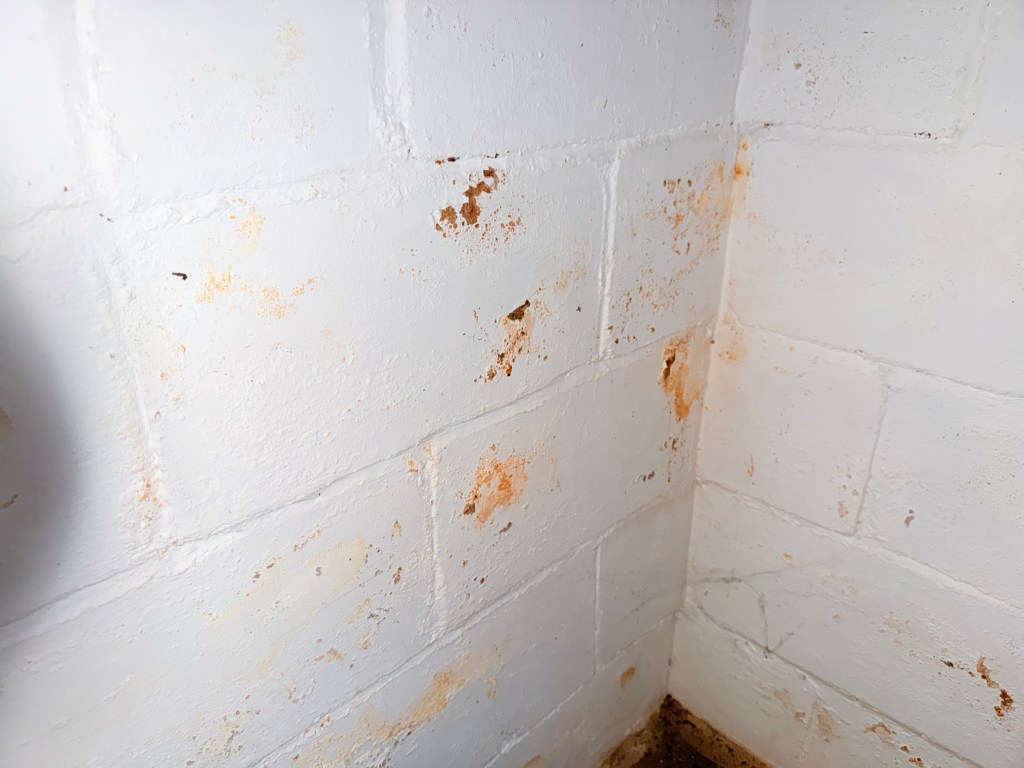
Water is the most destructive force affecting foundations. During inspections, we frequently find signs of both active and past moisture intrusion.
- Efflorescence (white mineral deposits)
- Dark staining along block joints
- Rust staining on painted surfaces
- Mold-like growth or musty odors
- Water seepage at wall and floor joints
Even when water is not actively entering the space, these signs indicate that moisture has been present and may continue to be an issue.
3. Settlement and Structural Movement
All homes settle over time, but uneven or excessive settlement can lead to structural concerns.
We often observe:
- Sloping floors
- Separation at framing connections
- Widening cracks
- Misaligned doors and windows
In many cases, soil conditions in New Jersey and Pennsylvania—such as expansive clay—contribute to these issues.
Hydrostatic Pressure: The Hidden Cause of Many Problems
One of the most important concepts homeowners should understand is hydrostatic pressure.
Hydrostatic pressure occurs when water accumulates in the soil surrounding your foundation. As the soil becomes saturated, it expands and exerts force against foundation walls.
This pressure can:
- Cause foundation walls to crack or bow
- Force water through small openings
- Lead to long-term structural deterioration
In areas with poor drainage or high water tables, this pressure can be significant. More information
The Importance of Proper Drainage Systems
Most foundation issues we encounter can be traced back to poor water management. Proper drainage is essential to reducing hydrostatic pressure and protecting your home.
Grading Around the Home
The soil around your home should slope away from the foundation. Negative grading directs water toward the structure and increases the risk of intrusion.
Gutters and Downspouts
Your roof collects a significant amount of water. Downspouts should discharge water at least 4–6 feet away from the home.
Perimeter Drainage Systems
French drains and footing drains are designed to collect and redirect groundwater before it reaches the foundation.
Sump Pump Systems
Sump pumps actively remove water from around the foundation and are especially important in areas with high water tables. Learn more about sump pumps here: https://dynamicinspections.net/2026/03/06/sump-pump-basement-water-protection/
Waterproofing vs. Damp Proofing
One of the most common misconceptions we encounter during inspections is the assumption that a home’s foundation is “waterproof.” In reality, many homes—especially those built decades ago—are only damp proofed, not fully waterproofed. Understanding the difference is critical when evaluating moisture issues.
Damp Proofing
In practice, when homeowners discover water intrusion in a basement or crawl space, they are often presented with two general approaches to address the issue. The first—and typically less expensive—option is interior damp proofing.
Interior damp proofing usually consists of applying a coating or sealant to the inside surface of the foundation wall. This may include products similar to Drylok or other penetrating sealants applied directly over CMU (concrete masonry unit) block walls. These products are intended to reduce the passage of moisture through the wall surface.
While this approach can help manage minor moisture conditions, it is important to understand its limitations.
One of the primary concerns with interior damp proofing is that it does not address the source of the water. Without a properly installed drainage or pressure relief system—such as a sump pump or perimeter drain—water can remain trapped within the foundation wall itself. Over time, this retained moisture can contribute to the gradual deterioration of the block from the inside out.
Additionally, while damp proofing is commonly applied to the exterior of foundation walls during initial construction, the interior application offered by contractors as a retrofit solution is fundamentally different. It is primarily a surface-level treatment rather than a comprehensive moisture management system.
Simplified Explanation for Homeowners
A basic way to understand the difference:
- Interior damp proofing attempts to block or slow moisture from entering the basement from the inside
- Waterproofing (typically exterior) is designed to prevent water from reaching the foundation in the first place
Waterproofing
Waterproofing is a much more robust system designed to prevent water intrusion even under hydrostatic pressure. Instead of relying on a simple coating, waterproofing systems use multiple components working together.
These systems may include:
- Waterproof membranes (rubberized or polymer-based barriers)
- Drainage boards to channel water downward
- Perimeter drainage systems (such as footing drains or French drains)
- Gravel backfill to improve drainage
- Sump pump systems to actively remove water
Unlike damp proofing, waterproofing systems are designed to:
- Manage and redirect water away from the foundation
- Relieve hydrostatic pressure
- Prevent water from entering the structure
When properly installed, waterproofing significantly reduces the likelihood of basement or crawl space moisture problems.
Why This Matters for Homeowners
Many homeowners are surprised to learn that their foundation was never intended to be fully waterproof. This is especially true in older homes throughout New Jersey and Pennsylvania, where damp proofing was the standard practice at the time of construction.
As a result, it is not uncommon to find:
- Moisture intrusion during heavy rain
- Seasonal dampness
- Long-term staining or mineral deposits on walls
These conditions don’t always indicate a failure—but they do highlight the limitations of damp proofing.
Inspection Perspective
During an inspection, we are not able to see the exterior side of foundation walls directly, so determining whether a system is damp proofed or waterproofed is often based on observed performance.
We look for indicators such as:
- Evidence of water intrusion
- Condition of interior walls
- Presence of drainage systems
- Sump pump installation and function
Ultimately, the presence of moisture is often the clearest sign that a system is not effectively managing water.
Bottom Line
- Damp proofing = basic moisture resistance
- Waterproofing = active water management system
Understanding this distinction helps explain why even well-built homes can still experience water issues—and why proper drainage and moisture control are essential.
What We Look For During a Foundation Inspection
- Foundation wall cracking and movement
- Moisture intrusion and staining
- Drainage conditions around the home
- Signs of settlement
- Crawl space and basement conditions
We don’t just identify problems—we help you understand their cause and what actions may be needed.
Crawl Spaces vs. Basements
Crawl Spaces
Crawl spaces are often prone to high humidity, poor vapor barriers, and insulation damage.
Basements
Basements are more susceptible to water intrusion and hydrostatic pressure issues.
Local Considerations in NJ & PA
Homes in New Jersey and Pennsylvania face unique environmental conditions, including:
- Freeze/thaw cycles
- Expansive soil conditions
- High seasonal water tables
- Aging drainage systems in older homes
When Should You Be Concerned?
- Horizontal cracks in foundation walls
- Water entering the basement
- Uneven or sloping floors
- Persistent moisture or musty odors
Final Thoughts
Foundation issues rarely resolve on their own. The majority of problems we see are manageable when addressed early.
At Dynamic Inspections LLC, our mission is simple:
Inspect. Inform. Educate.
If you’re in New Jersey or Eastern Pennsylvania, schedule your inspection today:
Or explore more helpful resources on our blog: