

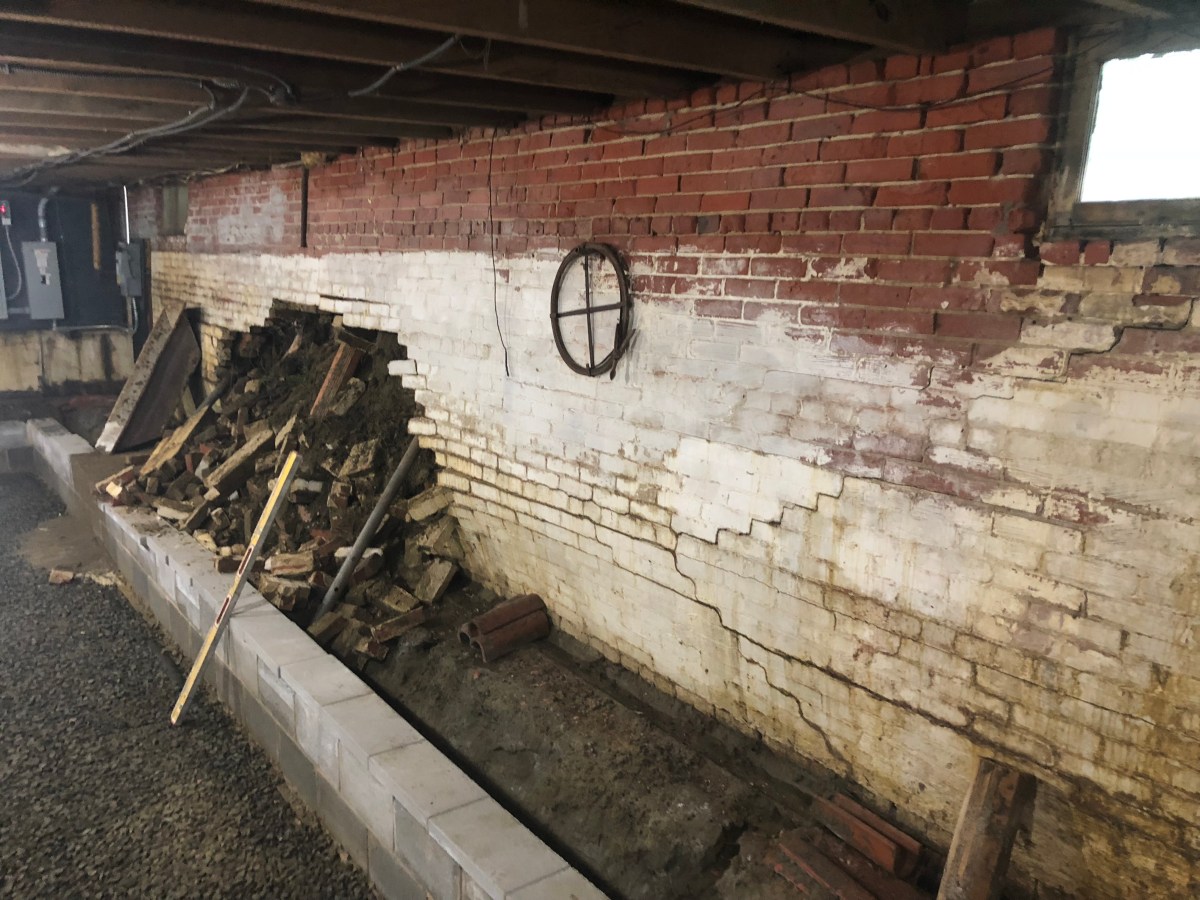
Structural Systems- Inspect & Describe
Foundation.
Floors.
Walls.
Ceilings.
Roof.
Probe structural components where deterioration is suspected unless such probing would damage any finished surfaces.
Describe in the home inspection report the methods used to inspect under-floor crawl spaces and attics.
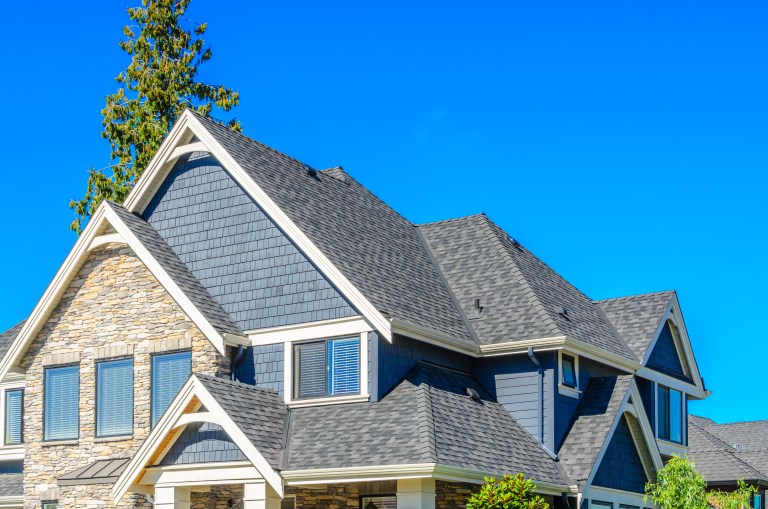
Roof- Inspect& Describe
Roofing surface, excluding antennae and other installed accessories such as solar heating systems, lightning arresters, and satellite dishes.
Roof drainage systems including: Flashing, Skylights, Exterior or chimneys.
Roof surface.
Roof drainage systems.
Visible Flashing.
Skylights.
Chimneys.
Employ reasonable, practicable, and safe methods to inspect the roof such as: Walking on the roof, Observing from a ladder at roof level, Visual examination with binoculars from ground level; and describing the methods used to inspect the roof.
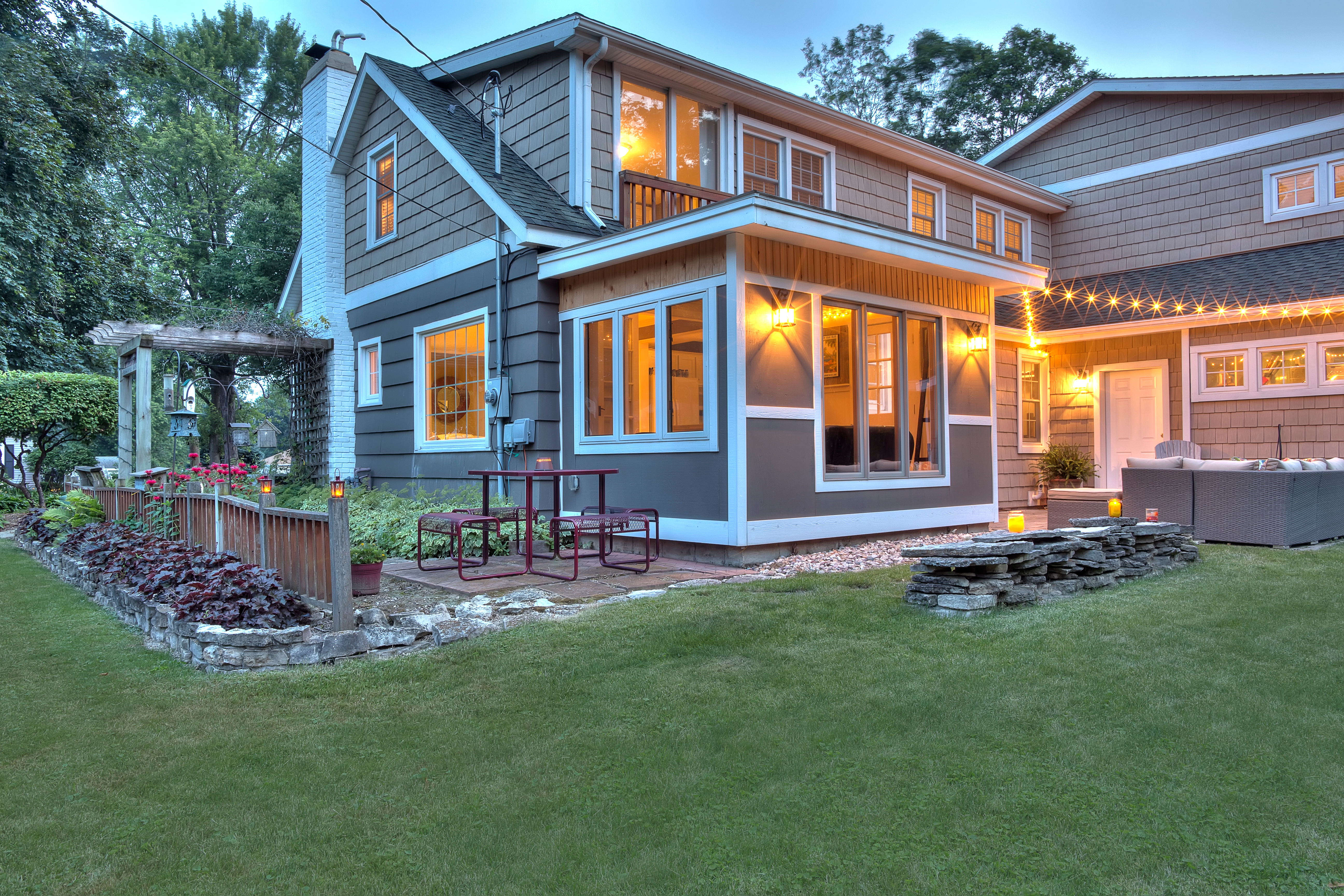
Exterior- Inspect & Describe
Exterior surfaces, excluding shutters, and screening, awnings, and other similar seasonal accessories.
Exterior doors excluding storm doors or safety glazing.
Windows excluding storm windows and safety glazing.
Attached or adjacent decks, balconies, stoops, steps, porches, and their railings.
Vegetation, grading, drainage, and retaining walls with respect to their immediate detrimental effect on the condition of the residential building, excluding fences, geological and/or soil conditions, sea walls, break-walls, bulkheads and docks, or erosion control and earth stabilization.
Attached or adjacent walkways, patios, and driveways.
Garage doors including automatic door openers and entrapment protection mechanisms, excluding remote control devices.
Describe exterior wall surface type and material.
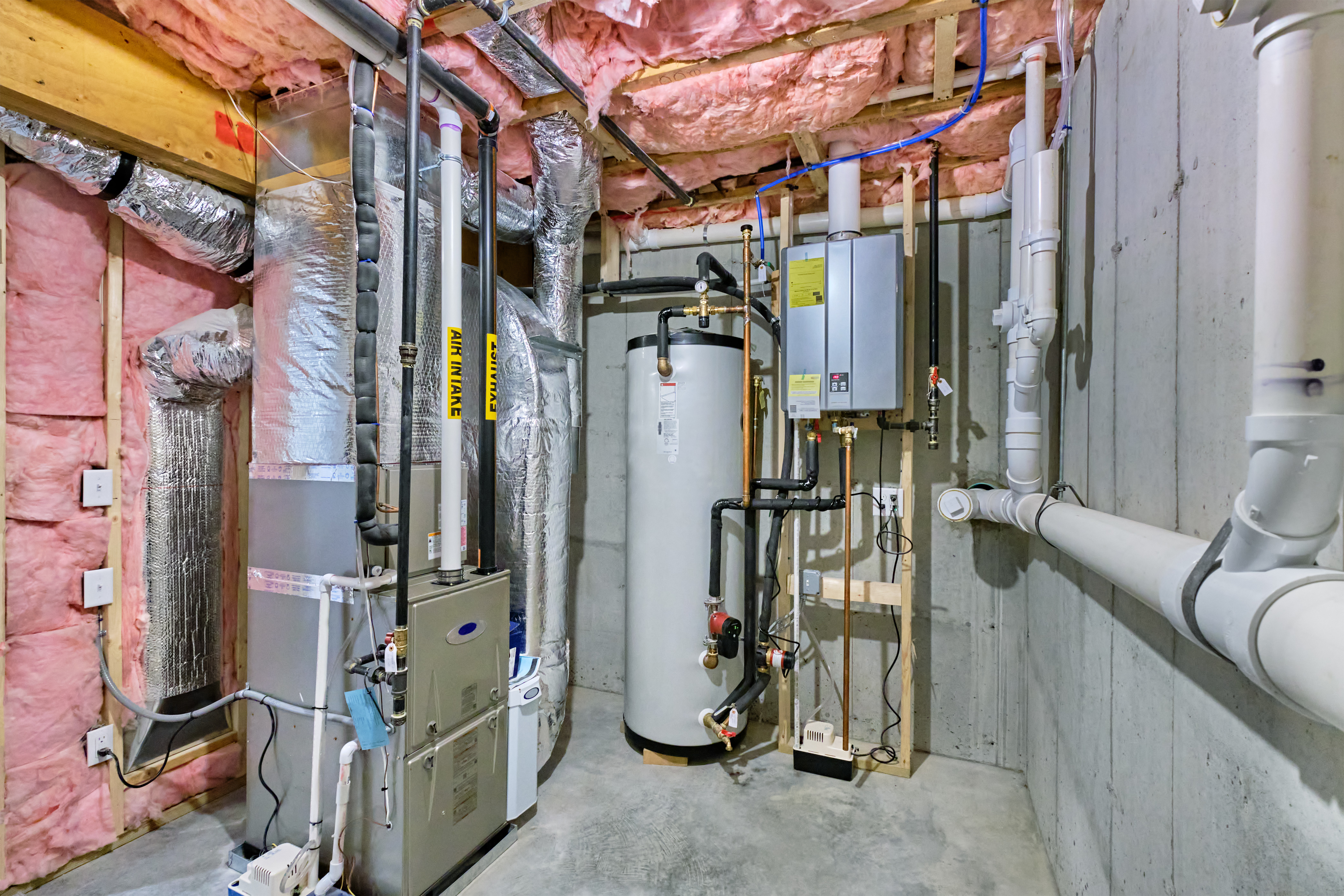
Plumbing System
. Interior water supply and distribution systems including functional water flow and functional drainage, excluding wells,
well pumps, well water sampling or water storage related equipment, determination of water supply quantity or quality and water conditioning systems and lawn irrigation systems;
ii. All interior fixtures and faucets, excluding shut off valves, wells, well pumps, well water sampling and water storage related equipment;
iii. Drain, waste and vent systems;
iv. Domestic water heating systems, without operating safety valves or automatic safety controls, and excluding solar water heating systems;
v. Combustion vent systems excluding interiors of flues and chimneys;
vi. Fuel distribution systems; and
vii. Drainage sumps, sump pumps and related piping; and
40. Describe:
i. Predominant interior water supply and distribution piping materials;
ii. Predominant drain, waste and vent piping materials; and
iii. Water heating equipment including energy sources.
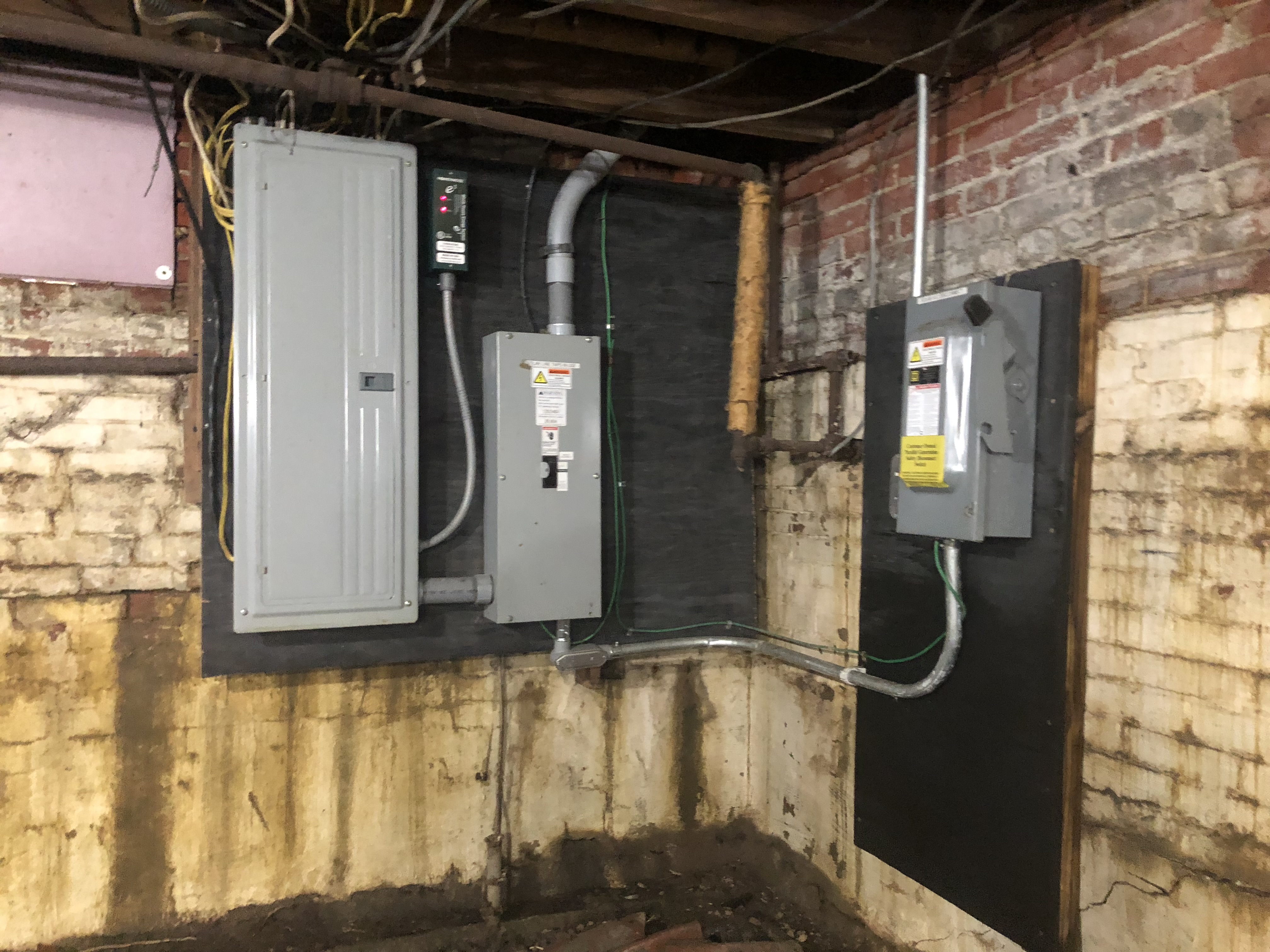
Electrical System- Inspect & Describe.
Inspect:
i. Service entrance system;
ii. Main disconnects, main panel and sub panels, including interior components of main panel and sub panels;
iii. Service grounding;
iv. Wiring, without measuring amperage, voltage or impedance, excluding any wiring not a part of the primary electrical
power distribution system, such as central vacuum systems, remote control devices, telephone or cable system wiring,
intercom systems, security systems and low voltage wiring systems;
v. Over-current protection devices and the compatibility of their ampacity with that of the connected wiring;
vi. At least one of each interior installed lighting fixture, switch, and receptacle per room and at least one exterior installed lighting fixture, switch, and receptacle per side of house; and
vii. Ground fault circuit interrupters; and
Describe:
i. Amperage and voltage rating of the service;
ii. Location of main disconnect, main panels, and sub-panels;
iii. Type of over-current protection devices;
iv. Predominant type of wiring;
v. Presence of knob and tube branch circuit wiring; and
vi. Presence of solid conductor aluminum branch circuit wiring.

Heating System.
Inspect:
i. Installed heating equipment and energy sources, without determining heat supply adequacy or distribution balance,
and without operating automatic safety controls or operating heat pumps when weather conditions or other circumstances may cause damage to the pumps, and excluding humidifiers, electronic air filters and solar heating systems;
ii. Combustion vent systems and chimneys, excluding interiors of flues or chimneys;
iii. Fuel storage tanks, excluding propane and underground storage tanks; and
iv. Visible and accessible portions of the heat exchanger, removing the flame roll-out shield if applicable

Cooling System.
Inspect:
i. Central cooling system, excluding electronic air filters and excluding determination of cooling supply adequacy or
distribution balance and without operating central cooling equipment when weather conditions or other circumstances may cause damage to the cooling equipment;
ii. Permanently installed hard-wired, through-wall individual cooling systems; and
iii. Energy sources; and
Describe:
i. Cooling equipment and distribution type; and
ii. Energy sources.
(l) When inspecting the interior of a residential building, a home inspector or associate home inspector shall:

Interior
Inspect:
i. Walls, ceilings, and floors excluding paint, wallpaper and other finish treatments, carpeting and other non-permanent
floor coverings;
ii. Steps, stairways, and railings;
iii. Installed kitchen wall cabinets to determine if secure;
iv. At least one interior passage door and operate one window per room excluding window treatments
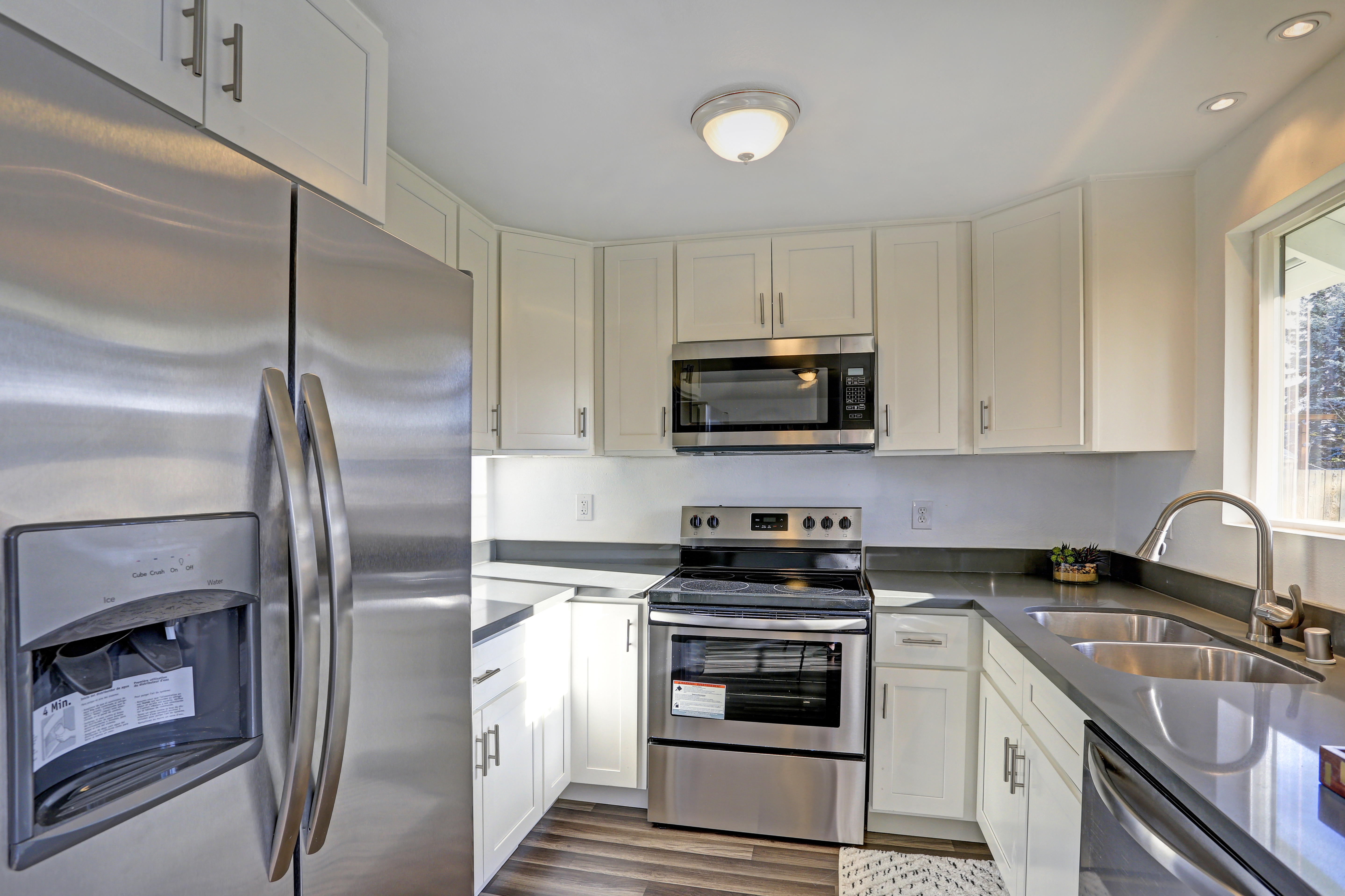
Installed Appliances
Household appliances limited to:
(1) The kitchen range and oven to determine operation of burners or heating elements excluding microwave ovens and the operation of self-cleaning cycles and appliance timers and thermostats;
(2) Dishwasher to determine water supply and drainage; and
(3) Garbage disposer.
(m) When inspecting the insulation components and ventilation system of a residential building, the home inspector or associate home inspector shall:

Insulation & Ventilation
Inspect:
i. Insulation in unfinished spaces without disturbing insulation;
ii. Ventilation of attics and crawlspaces; and
iii. Mechanical ventilation systems; and
Describe:
i. Insulation in unfinished spaces adjacent to heated areas; and
ii. Evidence of inadequate attic and crawlspace ventilation.

Fireplaces & Solid Burning Appliances
Inspect fireplaces and solid fuel burning appliances, without testing draft characteristics, excluding fire screens and doors, seals and gaskets, automatic fuel feed devices, mantles and non-structural fireplace surrounds, combustion make-up air devices, or gravity fed and fan assisted heat distribution systems; and
ii. Chimneys and combustion vents excluding interiors of flues and chimneys; and
Describe:
i. Type of fireplaces and/or solid fuel burning appliances;
ii. Energy source; and
iii. Visible evidence of draft characteristics.