Introduction: The Essential Role of HVAC Inspections
Your HVAC system is the heart of your home’s climate control. It regulates temperature, air quality, and humidity, ensuring comfort during the hottest summer days and the coldest winter nights. Much like a finely tuned musical instrument, your HVAC system requires regular attention and care to maintain its performance. Without regular inspections, minor issues can snowball into expensive repairs, or worse, complete system failures.
In this blog, we will explore the importance of routine HVAC inspections and break down what’s typically included in an inspection. We’ll also share some tips on how to maintain your HVAC system, ensuring a harmonious living environment year-round. By understanding what goes into an HVAC inspection and why it’s vital, you can make informed decisions that will extend the life of your system and maintain comfort in your home.
Why HVAC Inspections Matter
The HVAC system is complex, with many moving parts that work together to keep your home comfortable. Regular inspections are critical for:
- Ensuring Safety: An HVAC system, particularly one that uses gas, can present safety risks, such as carbon monoxide leaks or faulty electrical connections. A regular inspection helps detect these issues before they turn into serious hazards.
- Improving Efficiency: When components are clogged, worn, or improperly calibrated, your HVAC system has to work harder to achieve the desired temperature, which can lead to higher energy bills. Routine inspections help identify and resolve issues that can reduce energy efficiency.
- Preventing Major Breakdowns: Like any system, the longer you neglect it, the more likely it is to break down. Regular HVAC inspections can catch small problems before they develop into major, expensive repairs.
An inspection helps keep your system running smoothly, prevents costly repairs, and ensures that your home remains comfortable all year long.
What’s Included in an HVAC Inspection?
HVAC inspections are comprehensive, covering a range of system components to ensure that everything is working as it should. Here’s a breakdown of what a typical HVAC inspection entails:
1. Visual Inspection
The inspection begins with a thorough visual examination of both the interior and exterior parts of the system. This allows technicians to spot any visible signs of wear, rust, leaks, or damage. Technicians will also check for:
- Physical damage to the unit (e.g., cracks, dents, or leaks)
- Signs of leaks in ducts or refrigerant lines
- General cleanliness of the components
This initial step helps the technician identify potential problem areas that require further attention.
2. Thermostat
The thermostat is the control center of your HVAC system. If it’s not calibrated properly, your system may not heat or cool as efficiently as it could.
- Ensure the thermostat is correctly calibrated.
- Verify the system responds to temperature adjustments appropriately.
- Check for accuracy in temperature readings.
Proper thermostat function ensures that your HVAC system delivers the comfort you need while conserving energy.
3. Filter and Ductwork Inspection
The air filters and ductwork play crucial roles in both the efficiency and air quality of your HVAC system. An inspection of these components includes:
- Filter Inspection: Filters are checked for dirt and debris. Dirty filters reduce airflow and strain the system. Filters may need to be replaced if clogged.
- Ductwork Evaluation: Leaks or blockages in the ducts can prevent your HVAC system from functioning optimally. Technicians will inspect ducts for damage, ensure they are well-sealed.
Regularly cleaning filters and ducts ensures that your system runs efficiently and your indoor air quality remains high.
4. Electrical System Check
HVAC systems rely on complex electrical components to operate efficiently. An inspection of the electrical system includes:
- Checking connections for any loose or corroded wires
- Examining the control board and other electrical components that are readily vibible to ensure they are working as expected
Electrical issues can lead to system failures or even fire hazards, so this step is vital for both safety and performance.
5. Condensate Drain Inspection
The condensate drain helps remove excess moisture from your HVAC system. If this drain becomes clogged, it can cause water damage to your home. Technicians will:
- Inspect the condensate drain for blockages or leaks
- Clean the drain if necessary to ensure proper water flow
A clear condensate drain helps protect your home from water damage and keeps the system functioning properly.
6. System Performance and Efficiency Evaluation
After inspecting all the components, the technician will evaluate the performance of your HVAC system, including:
- Running a test cycle to ensure the system is cooling or heating properly
- Measuring airflow to ensure the system is circulating air
This final step gives a complete picture of your system’s overall health, allowing the technician to identify any potential issues that could affect performance or efficiency.
Why Choose Dynamic Inspections LLC for Your HVAC Inspection?
At Dynamic Inspections LLC, we take pride in offering thorough HVAC inspections that go beyond the basics. Here’s why we’re the trusted choice for homeowners:
1. Expert Technicians
Our team consists of certified, highly skilled Home Inspectors who understand the ins and outs of HVAC systems. Their expertise ensures that your system is thoroughly inspected and well-maintained.
2. Comprehensive Inspections
We leave no stone unturned. Our HVAC inspections cover all aspects of the system, from the thermostat to the ducts, ensuring optimal performance and efficiency.
3. Customer-Centric Service
At Dynamic Inspections LLC, our clients come first. We take the time to explain the results of the inspection in detail and provide actionable recommendations to improve your system’s efficiency and lifespan.
Tips for Maintaining HVAC Efficiency
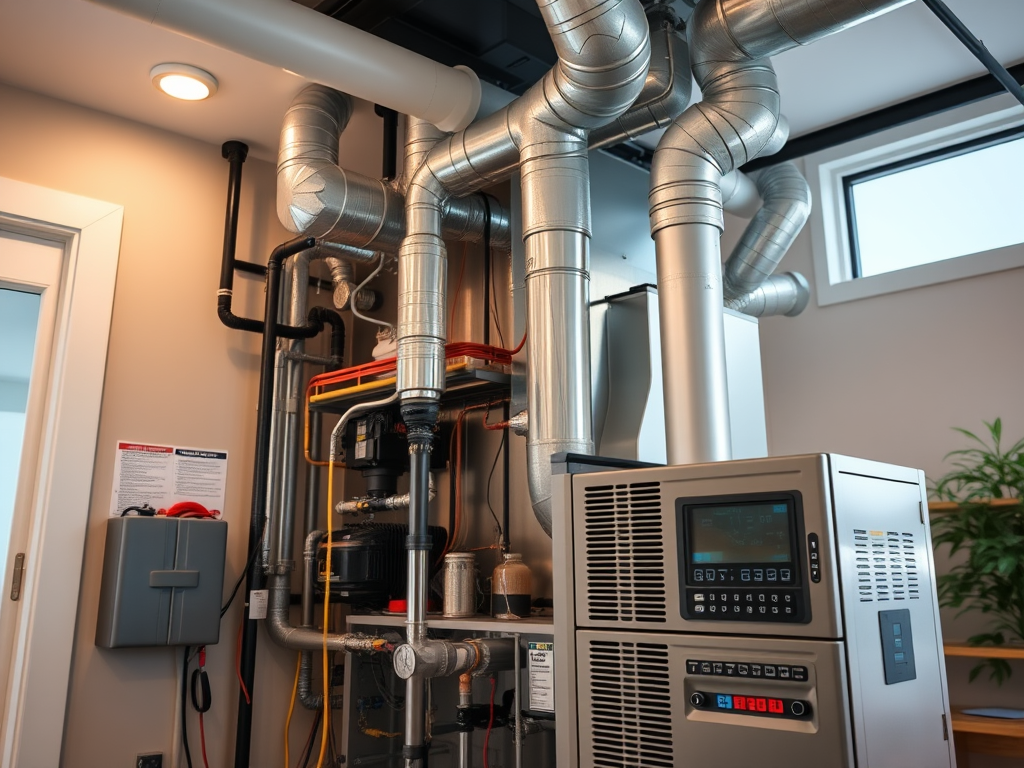
While regular inspections are vital for keeping your HVAC system in top shape, there are a few simple steps you can take to improve efficiency between inspections:
- Change Filters Regularly: Replace or clean filters every 1–3 months, depending on usage and the type of filter.
- Clear Obstructions: Ensure that vents, registers, and air intake areas are free of obstructions to maintain proper airflow.
- Program Your Thermostat: Use a programmable thermostat to adjust your home’s temperature based on your schedule, helping to reduce energy consumption.
- Seal Gaps and Leaks: Ensure that doors and windows are sealed properly to prevent heat loss in winter or cool air loss in summer.
- Schedule Professional Maintenance: In addition to your regular HVAC inspections, schedule professional maintenance once a year to keep your system in optimal condition.
The Importance of HVAC Safety Inspections
Beyond comfort and efficiency, HVAC safety is paramount. Regular safety inspections ensure that your system is operating without risk to your health or home. A safety inspection may include:
- Checking for gas leaks if your system uses natural gas
- Inspecting for carbon monoxide leaks, which can be hazardous
- Ensuring proper ventilation to prevent the buildup of dangerous gases
- Evaluating the system for fire hazards, particularly with electrical components
For the well-being of your home and loved ones, ensure that your HVAC system is inspected for safety hazards regularly.
Conclusion: Prioritize Your HVAC System with Routine Inspections
Regular HVAC inspections are essential for maintaining the efficiency, safety, and longevity of your system. Whether you’re preparing for a change in season or simply keeping up with routine maintenance, these inspections help ensure that your home remains comfortable all year long.
At Dynamic Inspections LLC, we are committed to providing expert HVAC inspections and maintenance to keep your home’s climate system running smoothly.