
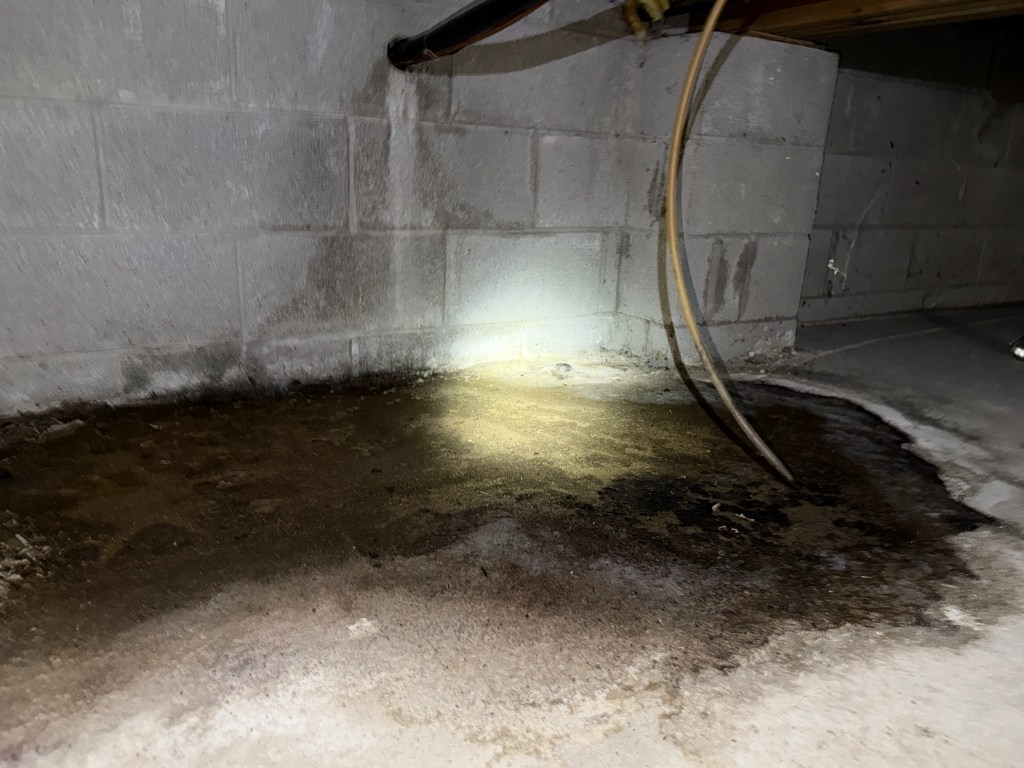
What Is Foundation Water Intrusion and Why It Matters
Foundation water intrusion is one of the most common—and misunderstood—issues affecting homes. At its core, foundation water intrusion refers to any condition where water enters or accumulates around the foundation, eventually making its way into a basement or crawlspace.
This is not just about minor dampness. Over time, water intrusion can lead to structural deterioration, mold growth, indoor air quality concerns, and damage to finishes and stored belongings. In many cases, what starts as a manageable condition becomes a costly repair simply because the early warning signs were overlooked.
In real-world inspections, this issue is rarely caused by a single defect. Instead, it is typically the result of multiple contributing factors working together.
If you want a deeper understanding of how foundation systems function as a whole, you can read more here:
Introduction: Why Your Foundation and Drainage Matter
Understanding the Role of Soil in Foundation Water Intrusion
Why Soil Type Directly Impacts Drainage
The soil surrounding your home plays a critical role in how water behaves during rainfall. Different soil types absorb, retain, and move water at different rates, which directly impacts how much moisture is held against the foundation.
Clay Soil (High Risk for Water Intrusion)
Clay soil is very common in New Jersey and Pennsylvania. It retains water and expands when saturated. This expansion increases pressure against the foundation walls and can force moisture into the structure through cracks, joints, or porous materials.
Sandy Soil (Faster Drainage)
Sandy soil drains more efficiently and reduces hydrostatic pressure. However, if grading is poor, water can still be directed toward the foundation and cause intrusion issues.
Mixed or Loamy Soil
This type of soil provides moderate drainage but still depends heavily on proper grading and drainage systems to function correctly.
Hydrostatic Pressure Explained
Hydrostatic pressure is one of the primary forces behind foundation water intrusion. When soil becomes saturated, water fills all available spaces and begins pushing against the foundation walls.
Even properly constructed foundations are not waterproof. They are designed to resist moisture, but sustained pressure will eventually find a way through.
Exterior Grading – The First Line of Defense
What Proper Grading Should Look Like
Grading refers to the slope of the ground around your home. Proper grading ensures that water is directed away from the foundation instead of toward it.
Ideal Grading Standards
- A slope of at least 6 inches over the first 10 feet
- No flat or reverse slope conditions
- No areas where water can pond near the structure
Common Grading Issues Observed During Inspections
In the field, common grading defects include:
- Soil built up too high against siding
- Settlement creating negative slope toward the home
- Landscaping beds that trap water
- Hard surfaces pitched toward the structure
These conditions allow water to accumulate near the foundation, increasing the likelihood of intrusion.
Landscaping and Its Impact on Moisture Retention
Why Vegetation Within 2 Feet of the Foundation Is a Problem
Landscaping can significantly contribute to foundation water intrusion, especially when vegetation is installed too close to the structure.
How Plants Contribute to Moisture Issues
- Roots retain water in surrounding soil
- Dense plantings limit evaporation
- Mulch holds moisture against the foundation
- Irrigation systems can oversaturate the area
Bushes, shrubs, and trees located within 2 feet of the foundation create conditions where water remains longer than intended.
Best Practices for Landscaping Near Foundations
- Maintain at least 2 feet of clearance from the foundation
- Avoid excessive mulch buildup
- Use well-draining materials
- Limit irrigation near the structure
Roof Drainage Systems – The Most Critical Component
How Much Water Is Being Managed
A typical roof can shed thousands of gallons of water during a rain event. Without proper control, all of that water ends up at the foundation.
Gutters and Downspouts – Your Control System
A properly functioning roof drainage system collects water from the roof, directs it into gutters, and channels it through downspouts away from the home.
According to the
https://www.nachi.org/exterior-design-features.htm
InterNACHI exterior inspection guidelines, improper drainage is one of the leading contributors to moisture intrusion in residential structures.
Common Failures That Lead to Water Intrusion
Gutter Issues
- Clogged with debris
- Improper pitch
- Loose or damaged sections
Downspout Issues
- Discharging directly at the foundation
- Missing extensions
- Underground drains with unknown discharge points
Why Downspout Extensions Matter
Downspouts should extend at least 4 to 6 feet away from the home. Without proper extensions, water is simply redirected back toward the foundation.
For homes with existing basement protection systems, it is important to understand how they work together. You can learn more here:
Sump Pumps Explained: How They Work, Common Problems, and Maintenance Tips
How All Systems Work Together
Foundation water intrusion is not caused by a single issue—it is the result of multiple systems not functioning together properly.
The System in Action
- The roof collects water
- Gutters capture and direct it
- Downspouts discharge it away from the home
- Grading slopes it away from the structure
- Soil absorbs or redirects remaining moisture
If any part of this chain fails, water management breaks down.
Why Rainy Conditions Are the Best Time to Inspect
What to Look For During Rain
The best time to evaluate foundation water intrusion risks is during or immediately after rainfall.
Key Observations
- Water pooling near the foundation
- Overflowing gutters
- Improper downspout discharge
- Saturated soil or mulch beds
- Water entering the basement or crawlspace
These observations provide real-world insight into how your home performs under stress.
Signs of Active or Past Water Intrusion
Interior Indicators
- Efflorescence on foundation walls
- Damp or stained surfaces
- Musty odors
- Visible mold or microbial growth
The
<a href=”https://www.epa.gov/mold/mold-and-health” target=”_blank”>EPA notes</a> that persistent moisture conditions can lead to mold growth and indoor air quality concerns.
Exterior Indicators
- Poor grading conditions
- Vegetation too close to the foundation
- Improper drainage discharge
- Cracks or deterioration at foundation walls
Primary Remedial Actions
Start Outside First
Most solutions to foundation water intrusion begin outside the home.
Correct Exterior Grading
- Regrade soil to slope away from the foundation
- Remove soil buildup against siding
- Eliminate low spots where water collects
Improve Roof Drainage
- Clean gutters regularly
- Install or extend downspouts
- Verify proper discharge locations
Adjust Landscaping
- Remove vegetation within 2 feet of the foundation
- Reduce moisture-retaining materials
- Avoid overwatering near the structure
When Interior Solutions Are Needed
Interior drainage systems such as sump pumps and perimeter drains are secondary solutions. They manage water after it has already entered the structure but do not prevent intrusion from occurring.
Long-Term Maintenance and Prevention
Routine Checks Homeowners Should Perform
- Inspect gutters seasonally
- Check grading annually
- Monitor basement or crawlspace conditions
- Observe drainage performance during heavy rainfall
Seasonal Considerations
Spring and extended rainy periods are when most issues become visible. This is the ideal time to evaluate how your home manages water.
Final Thoughts on Foundation Water Intrusion
Foundation water intrusion is rarely the result of a single failure. It is typically caused by a combination of soil conditions, improper grading, poor drainage, and landscaping practices that retain moisture.
Understanding how these systems interact allows homeowners to take proactive steps before problems develop into major repairs.
Schedule a Professional Evaluation
If you are seeing signs of moisture or want to better understand how your home handles water: