Most people don’t think about maintenance inspections until something breaks.
And that’s backward.
The importance of maintenance inspections isn’t about finding problems for the sake of finding them. It’s about understanding how your home is aging before small issues turn into major repairs. Homes don’t fail suddenly. They decline gradually. Systems wear out. Materials deteriorate. Components loosen, shift, dry out, rust, or settle.
And if no one is watching, you don’t notice until it’s expensive.
I’ve inspected hundreds of homes over the years. The pattern is consistent: the biggest repair bills almost always started as something small. A minor roof issue. A small plumbing drip. Slight foundation movement. A furnace that “still works” but hasn’t been serviced in years.
It’s almost never one catastrophic event.
It’s neglect over time.
Homes Are a Series of Interconnected Systems
One of the biggest misconceptions about houses is that they’re static structures. They’re not. A home is a collection of systems intertwined together — structural framing, roofing, electrical, plumbing, HVAC, insulation, drainage, ventilation — all interacting.
When one system underperforms, another compensates.
When water isn’t managed outside, it shows up inside.
When ventilation is poor, moisture builds up in attic spaces.
When drainage is improper, foundations shift.
When HVAC systems aren’t maintained, efficiency drops and components fail prematurely.
Everything connects.
That’s why maintenance inspections are different from emergency calls. Instead of responding to one broken component, we evaluate the house as a system.
Problems don’t start the day they’re discovered — they’ve usually been developing quietly for years.
Let’s be honest.
Nobody calls a roofer because everything looks fine. Nobody replaces a water heater because it’s working perfectly. Nobody inspects their electrical panel because it’s “probably okay.”
We’re wired to react.
But houses don’t operate on emotion. They operate on physics, materials science, and time.
Shingles age whether you’re watching or not.
Sealants dry out.
Fasteners corrode.
Gaskets shrink.
Appliances lose efficiency.
Drainage shifts.
By the time something is visible, it’s often been developing for years.
That’s where maintenance inspections change the equation. Instead of reacting to damage, you monitor decline.
Systems Age Long Before They Fail
One of the most important conversations I have with homeowners is this:
There’s a difference between aging and failing.
A 15-year-old roof may not be leaking. That doesn’t mean it’s not aging.
A 12-year-old furnace may heat perfectly. That doesn’t mean it’s not nearing expected service life.
A foundation crack may be stable today. That doesn’t mean it shouldn’t be monitored.
The National Association of Home Builders publishes life expectancy data for various components (https://www.nahb.org/). Most homeowners are surprised at how predictable these timelines are.
But life expectancy isn’t a light switch.
Systems don’t work perfectly one day and collapse the next. They decline.
Maintenance inspections help you identify where each system is in its lifecycle so you can plan accordingly.
Planning Repairs on Your Timeline
The biggest advantage of routine maintenance inspections?
Control.
When you know your roof likely has 3–5 years left, you can budget.
When you know your HVAC system is showing early wear, you can service it.
When you know your drainage needs improvement, you can schedule it.
Emergency repairs remove control.
They’re rushed.
They’re expensive.
They happen at inconvenient times.
Monitoring gives you leverage.
Why Waiting Costs More
Let’s talk numbers — not exact figures, but principles.
A small plumbing leak behind a wall might cost a few hundred dollars to repair early. Left unchecked, it can lead to structural damage, mold growth, insulation failure, and drywall replacement.
A minor flashing issue on a roof might be a simple repair. Ignored, it turns into decking replacement and interior ceiling damage.
Improper grading around a foundation may require minor correction. Left alone, it can lead to water intrusion and foundation movement.
The importance of maintenance inspections is financial.
It is cheaper to monitor than to react.
Every 2–5 Year Maintenance Inspections
I typically recommend a full maintenance inspection every 2–5 years for homeowners who plan to stay in their property long-term.
Why that window?
Because that’s enough time for measurable change.
Sealants age.
Settlement shifts slightly.
Shingles lose granules.
Caulking fails.
Moisture patterns evolve.
Mechanical systems show wear.
It’s not about doing it annually unless there’s a specific concern. It’s about periodic evaluation so that nothing drifts too far without being noticed.
What a Maintenance Inspection Looks At
A maintenance inspection isn’t a transaction. It’s a status update.
It includes:
Exterior envelope evaluation
Roof condition and penetrations
Drainage and grading
Foundation movement indicators
Attic ventilation and insulation
Electrical panel condition
Plumbing performance
HVAC operation
Moisture intrusion indicators
Appliance aging
Safety items
It’s similar in scope to a home inspection, but the goal isn’t a purchase decision. It’s strategic planning.
If you’ve ever had a full home inspection before purchasing, you understand the value of a complete systems review. You can see how we approach that process here: https://dynamicinspections.net/home-inspections
The difference with maintenance inspections is that you already own the home. Now we’re preserving it.
Catching Issues Early

Here’s something most homeowners don’t realize:
Visible damage is late-stage damage.
Water stains mean water has already intruded.
Structural cracking means movement already occurred.
Rust means moisture has been present.
During maintenance inspections, we’re looking for the indicators before visible damage escalates.
For example:
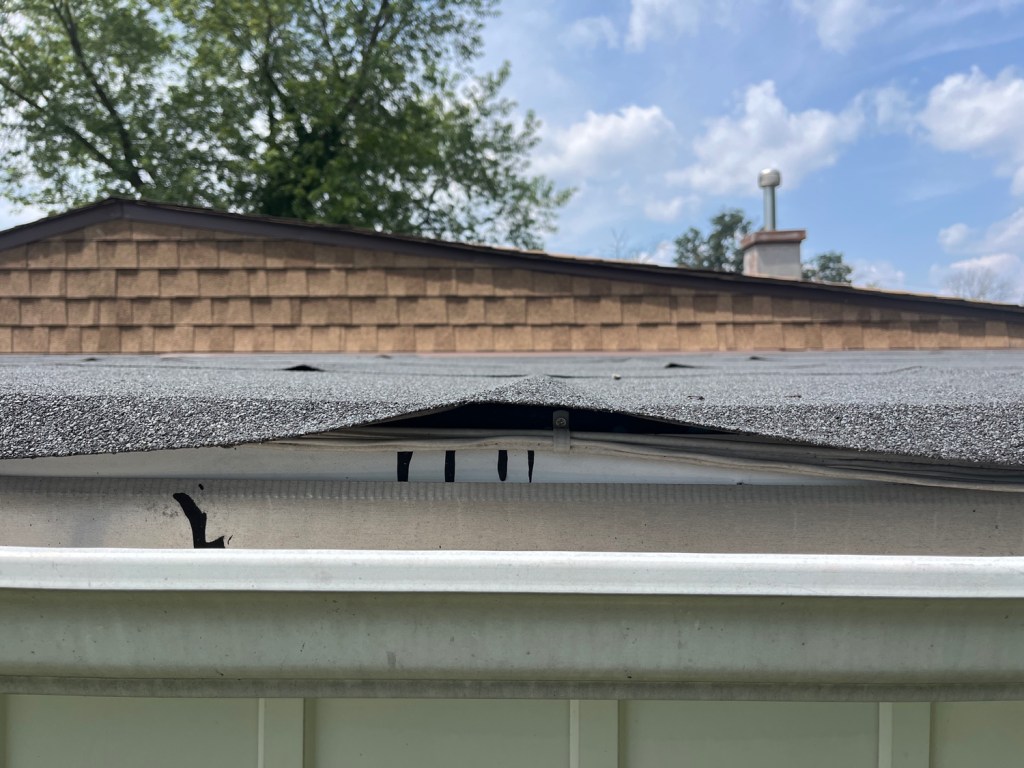
Subtle shingle lifting
Early granular loss
Minor flashing gaps
Small plumbing corrosion
Improper venting
Insulation displacement
GFCI miswiring
Drainage pooling
None of these are emergencies today. But they’re future problems.
Moisture Is the Silent Driver
Water is the number one enemy of residential structures.
Not fire.
Not wind.
Water.
Improper flashing.
Improper grading.
Clogged gutters.
Condensation.
HVAC drainage.
All slow, quiet issues.
Even radon entry pathways are affected by structural integrity and ground contact. The EPA emphasizes ongoing awareness of radon risks in ground-contact homes (https://www.epa.gov/radon). That’s another reason periodic inspections matter — environmental conditions evolve along with structural conditions.
Maintenance Inspections Normalize Preventative Thinking
One of the biggest mindset shifts is this:
Maintenance inspections are not an expense.
They are a risk management tool.
Think about how we treat vehicles. We don’t wait for the engine to seize before changing oil. We don’t wait for brake failure before inspecting pads.
But for some reason, homes — which are far more expensive — get ignored until something breaks.
It doesn’t make sense.
Commercial and Multi-Property Owners
For property managers and commercial property owners, maintenance inspections are even more critical.
Deferred maintenance compounds across units.
Roof issues in one section become structural issues in another.
Minor drainage problems create long-term liability.
Aging systems impact operating budgets.
Planned capital improvements are always less expensive than emergency structural corrections.
The Psychological Benefit
There’s something else that doesn’t get talked about enough.
Peace of mind.
When you understand the condition of your home, you sleep differently. You’re not guessing. You’re not reacting to rumors or internet panic.
You have data.
That’s what we provide — a clear, unbiased evaluation of material defects and maintenance conditions. Not fear. Not upselling. Just clarity.
Monitoring Instead of Guessing
We document conditions.
We track change over time.
We identify aging versus failure.
That’s the value.
The importance of maintenance inspections isn’t about finding flaws. It’s about understanding progression.
Homes Don’t Fail Suddenly — They Decline
Let’s bring it back to where we started.
Houses don’t wake up one day and collapse.
They whisper first.
Small movement.
Minor staining.
Loose flashing.
Early corrosion.
Subtle settlement.
If no one listens, they eventually shout.
Maintenance inspections allow you to hear the whisper.
It’s Cheaper to Monitor Than to React
That’s the core message.
It’s cheaper to monitor than to react.
It’s cheaper to plan than to rush.
It’s cheaper to repair early than to replace late.
Most major failures I see during inspections started as minor maintenance issues years earlier.
The difference between a $500 repair and a $10,000 repair is often time.
Final Thoughts
If you plan to live in your home long-term, schedule periodic maintenance inspections.
Not because something is wrong.
But because eventually something will be — and you’ll want to see it coming.
Homes are systems. Systems age. Aging is predictable.
Monitoring that aging is common sense.
And common sense saves money.