
Why Most Property Owners Wait Too Long
Most building failures are predictable.
Roofs don’t collapse overnight.
HVAC systems don’t suddenly fail without warning.
Sealants don’t dry out in a single day.
Water heaters corrode internally long before they leak.
Yet most property owners operate reactively.
They wait.
They respond.
They scramble.
A deferred maintenance program shifts ownership from reaction to strategy. Instead of waiting for a breakdown, you anticipate aging systems, schedule replacements intentionally, and budget realistically.
And despite common belief, a deferred maintenance program is not just for commercial office buildings. It is just as valuable for single-family homeowners, property managers, and commercial investors.
What Is a Deferred Maintenance Program?
A deferred maintenance program is a structured plan that tracks, prioritizes, and schedules repairs or replacements that are necessary — but not yet urgent.
It does not mean neglect.
It means:
- Identifying aging components
- Estimating remaining useful life
- Assigning budget ranges
- Scheduling future work
- Monitoring system condition- part of this also includes maintenance inspections. Learn more about the value of having regularly scheduled maintenance inspections.
Deferred maintenance is intentional planning.
Neglect is avoidance.
There is a difference.
Deferred Maintenance vs. Neglect
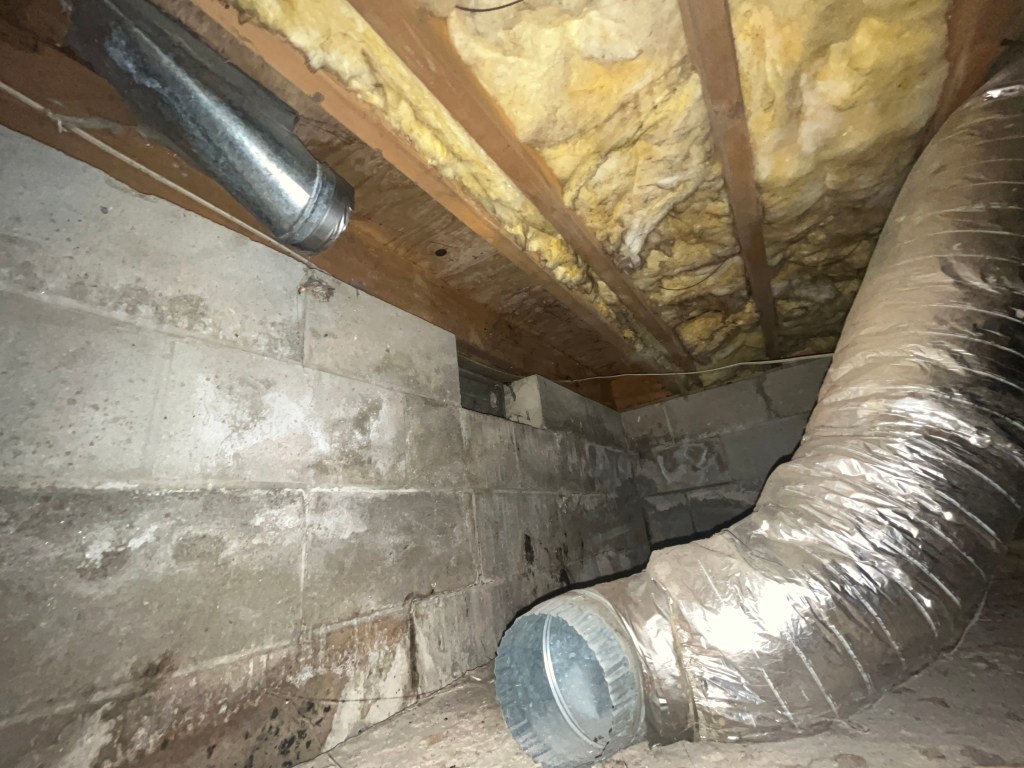
Deferred Maintenance
The issue is identified
Risk is understood
A timeline is established
Budgeting is anticipated
Monitoring continues
Neglect
- The issue is ignored
- No planning occurs
- No monitoring happens
- Failure becomes inevitable
A deferred maintenance program acknowledges that not everything must be repaired immediately — but nothing should be forgotten.
This Isn’t Just for Commercial Buildings
Commercial property owners have long understood lifecycle planning because system failures impact:
- Revenue
- Tenants
- Liability exposure
- Property value
But residential properties contain the same core systems:
- Roofing
- HVAC
- Electrical distribution
- Plumbing
- Exterior cladding
- Drainage
- Structural components
The difference is scale — not importance.
A homeowner without a plan is often more financially vulnerable than a commercial owner.
The Inspection Report Is Your Starting Point
The Inspection Report Is Your Starting Point
At Dynamic Inspections, we encourage clients to view inspection reports as long-term planning documents — not just negotiation tools.
A home inspection identifies:
- Systems nearing end of life
- Safety concerns
- Maintenance items
- Monitoring recommendations
- Upgrade opportunities
Learn more about how our residential home inspection services are designed to support that long-term view.
For investors and property managers, our commercial inspection services provide system-level evaluations that support capital planning:
Those reports contain exactly what you need to build a deferred maintenance program.
How to Develop a Deferred Maintenance Program
Step 1 – Inventory All Major Systems
Start with a comprehensive system list:
- Roof
- Exterior siding and trim
- Windows and doors
- HVAC systems
- Electrical panels and service
- Plumbing supply and drainage
- Water heater
- Structural framing
- Foundation
- Drainage and grading
- Driveways and parking surfaces
Every system has a lifecycle.
Step 2 – Estimate Remaining Useful Life
Use inspection findings and industry averages:
- Asphalt shingles: 20–30 years
- Gas furnaces: 15–20 years
- Central air systems: 10–15 years
- Water heaters: 8–12 years
- Exterior paint systems: 5–10 years
The International Facility Management Association (IFMA) provides lifecycle guidance that applies to both residential and commercial properties:
https://www.ifma.org/
This step removes guesswork.
Step 3 – Categorize by Urgency
Organize systems into time horizons:
- Immediate safety concerns
- 1–2 year planning
- 3–5 year planning
- Long-term monitoring
This prioritization prevents emotional decision-making.
Step 4 – Assign Budget Ranges
You do not need contractor bids immediately.
Even rough estimates are powerful.
Example:
If roof replacement is estimated at $20,000 and 8 years of life remain:
$20,000 ÷ 8 = $2,500 per year savings target.
Instead of shock, you now have structure.
Step 5 – Build a 5–10 Year Timeline
A functioning deferred maintenance program might look like:
Year 1 – Minor electrical upgrades and plumbing repairs
Year 2 – HVAC replacement planning
Year 3 – Roof budgeting and contractor consultations
Year 4 – Exterior repainting
Year 5 – Driveway resurfacing
This transforms reactive ownership into strategic management.
Life-Cycle Cost vs. Emergency Replacement Cost
Most owners think in terms of total replacement cost.
But lifecycle thinking reframes expenses.
If a $20,000 roof lasts 25 years:
That equals $800 per year of asset consumption.
A deferred maintenance program converts catastrophic costs into predictable annual planning.
The same logic applies to:
- HVAC systems
- Electrical upgrades
- Commercial rooftop units
- Parking lot resurfacing
Planning replaces panic.
Capital Reserve Planning for Residential Owners
Commercial owners use capital reserve accounts. Homeowners rarely do — but they should.
If a $10,000 furnace has 5 years remaining:
$10,000 ÷ 5 years = $2,000 per year
Approximately $167 per month
That is manageable.
That is controlled.
That is responsible ownership.
Preventative Maintenance vs Deferred Maintenance
These are different but complementary strategies.
Preventative Maintenance
Annual HVAC servicing
Gutter cleaning
Sealant inspection
Filter replacement
Deferred Maintenance
- Planning roof replacement
- Budgeting HVAC upgrades
- Scheduling siding repair
Preventative maintenance extends lifespan.
Deferred maintenance prepares for replacement.
Together, they create stability.
The Combined Value of Maintenance Inspections
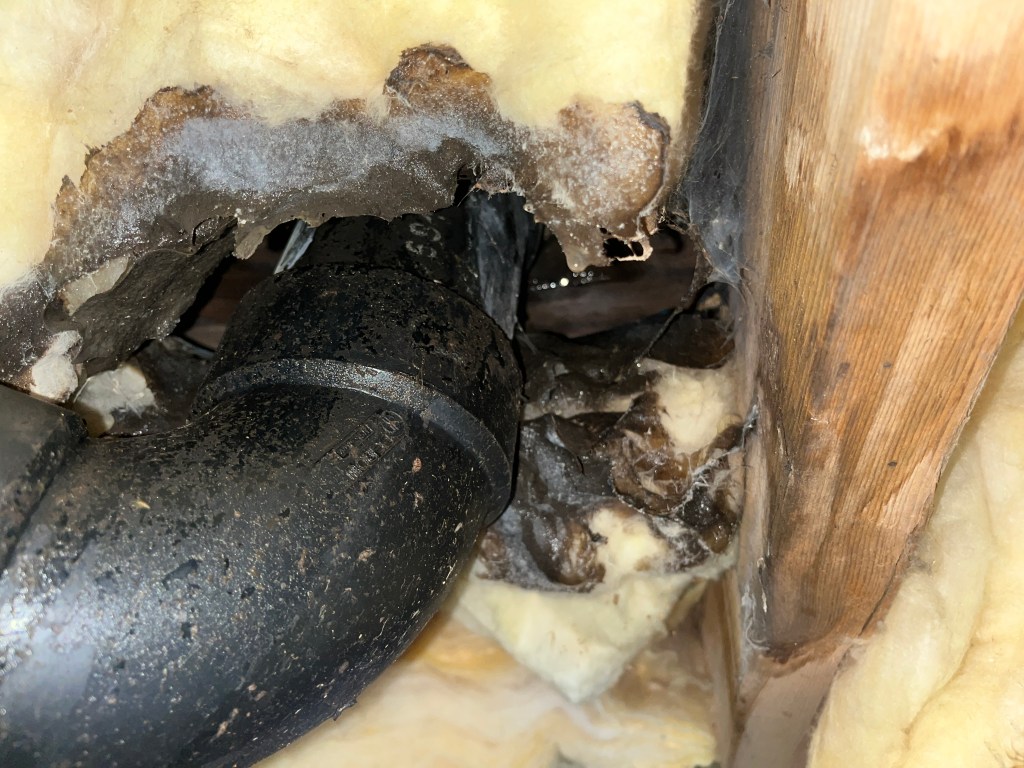
A deferred maintenance program should not be static.
Maintenance inspections help:
- Update remaining useful life
- Track deterioration trends
- Identify new issues early
- Verify prior repair quality
Inspection → Planning → Re-inspection → Adjustment
This cycle keeps your planning accurate and current.
NJ & PA Climate Considerations
In New Jersey and Pennsylvania, environmental stress accelerates aging:
- Freeze-thaw cycles
- Snow loads
- High humidity
- Coastal salt exposure in NJ
These factors impact:
- Roofing systems
- Sealants
- Masonry
- Drainage
- Exterior finishes
Regional conditions must be factored into any deferred maintenance program.
Commercial Asset Stabilization
For commercial properties, deferred maintenance impacts:
- Net operating income
- Property valuation
- Tenant retention
- Cap rate stability
Organizations like the Building Owners and Managers Association (BOMA) emphasize lifecycle planning for long-term asset stability:
https://www.boma.org/
Commercial owners understand that building systems are financial instruments.
Residential owners should adopt the same mindset.
Risk Management and Liability
Deferred maintenance planning reduces liability exposure.
Examples include:
- Trip hazards from deteriorated pavement
- Electrical safety issues
- Water intrusion leading to mold claims
- Structural movement ignored
Documented planning demonstrates responsible ownership.
That matters legally and financially.
The Psychological Benefit of Planning
Unexpected system failures create stress.
Planned replacement creates:
- Predictability
- Confidence
- Control
- Reduced decision fatigue
Ownership becomes structured instead of reactive.
Why We Emphasize This at Dynamic Inspections
At Dynamic Inspections, we believe inspection reports should guide long-term ownership.
Our reports identify:
- Immediate safety concerns
- Maintenance items
- Aging systems
- Monitoring recommendations
When clients use those reports to develop a deferred maintenance program, they transition from reactive owners to strategic managers.
Combined with routine maintenance inspections, this approach provides clarity, financial stability, and long-term asset protection.
Final Thoughts
Every building ages.
Every system has a lifespan.
The question is not whether you will spend money on your property — it’s whether you will control when and how you spend it.
A well-structured deferred maintenance program allows homeowners, property managers, and commercial owners to:
- Avoid financial shock
- Reduce emergency repairs
- Protect property value
- Improve long-term stability
Planning is not pessimism.
It is responsible ownership.