

Buying a home in New Jersey is exciting. It’s also one of the largest financial decisions most people will ever make. And when inspection day arrives, there’s one system that tends to draw more attention — and more anxiety — than almost any other:
The electrical system.
If you’ve ever stood next to an inspector while the panel cover comes off, you know the feeling. It’s technical. It’s unfamiliar. It looks complicated. And when terms like “double tap,” “open ground,” or “bonding issue” come up, it’s easy to assume the worst.
But understanding electrical systems in a New Jersey home inspection isn’t about looking for problems. It’s about evaluating safety, functionality, and modernization — and clearly separating true defects from normal aging and upgrade opportunities.
This guide will walk you through what really matters.
Why Electrical Systems Cause So Much Concern for Buyers
Electrical systems power everything in your home:
- Heating and cooling systems
- Refrigerators and cooking appliances
- Home offices and electronics
- Safety devices like smoke alarms
When something affects electricity, it feels serious — and understandably so.
However, during a New Jersey home inspection, electrical findings generally fall into four categories:
- Material defects – Conditions that require repair
- Safety concerns – Conditions that increase risk
- Maintenance items – Normal wear or minor corrections
- Upgrade recommendations – Modern improvements not present
The problem isn’t usually the electrical system itself. It’s misunderstanding what a finding actually means.
When those distinctions are explained clearly, buyers gain confidence instead of fear.
What Inspectors Evaluate in an Electrical System
When evaluating electrical systems in a New Jersey home inspection, the assessment includes far more than just opening the panel door. The entire electrical pathway is reviewed — from where power enters the home to how it’s distributed throughout.
Service Entrance Conductors
This is where electricity enters the home from the utility provider.
Inspectors evaluate:
- Overhead vs. underground service
- Drip loop presence
- Weatherhead condition
- Service mast stability
- Conductor clearance from rooflines
- Proper attachment to the structure
New Jersey’s climate makes this especially important. Snow loads, wind exposure, and coastal moisture can all affect service components. Loose masts, deteriorated insulation, or improper clearances can create future reliability concerns.
These components may not be visible daily to homeowners, but they’re critical to system integrity.
Meter Base and Main Disconnect
The meter base and main disconnect area are evaluated for:
- Proper mounting
- Corrosion
- Bonding connections
- Open knockouts
- Evidence of overheating
- Water intrusion
Corrosion is particularly common in coastal areas of New Jersey. Loose or deteriorated connections at this location can lead to overheating — which becomes a true safety concern if left unaddressed.
The Main Electrical Panel
The main electrical panel is the heart of the system. It distributes electricity safely to every circuit in the home.
During inspection, we evaluate:
- Manufacturer and model
- Breaker compatibility
- Double-tapped breakers
- Proper grounding and bonding
- Neutral bar configuration
- Signs of overheating
- Aluminum branch wiring (if present)
- Moisture intrusion
- Service capacity (100A, 150A, 200A)
Certain older panels have documented reliability concerns. If encountered, we explain:
- The known history of the equipment
- Any visible deficiencies
- Whether replacement is recommended
- Realistic budget expectations
Replacement is sometimes appropriate — but not automatic. Context matters.
Branch Circuits and Visible Wiring
In accessible areas like basements, garages, attics, and crawlspaces, inspectors look for:
- Improper splices
- Missing junction box covers
- Exposed wiring
- Extension cord misuse
- Overfused circuits
- Unsupported cables
- DIY modifications
Older New Jersey homes frequently show evidence of homeowner updates over decades. Not all DIY work is unsafe — but improper splicing or unsecured wiring deserves attention.
Understanding “Open Ground” — What It Really Means
Few terms cause more concern during an inspection than “open ground.”
An open ground reading indicates that the equipment grounding conductor is either:
- Not present, or
- Not properly connected back to the grounding system
Homes built prior to the mid-1960s often did not include dedicated grounding conductors. Two-prong outlets were standard.
So when we document an open ground, we are not saying:
- The home is unsafe to occupy
- Immediate shock hazard exists
- The system is failing
We are identifying that the receptacle does not meet modern grounding standards.
Shock Protection Perspective
Grounding provides a path for fault current to return to the panel and trip a breaker.
However, most life-safety shock protection today comes from GFCI devices — not grounding conductors alone.
Important clarifications:
- Open ground ≠ energized surface
- Open ground ≠ immediate shock hazard
- Open ground ≠ automatic repair emergency
The greater risk typically occurs when GFCI protection is missing in wet areas.
Surge Protection Perspective
Where open grounds matter more is in surge performance.
Without proper grounding:
- Surge protectors may not function optimally
- Sensitive electronics have reduced protection
- Fault clearing may be less efficient
So the limitation is often about performance and equipment protection — not imminent personal injury.
Most open ground findings are categorized as:
Upgrade recommended to meet modern standards.
What Is a GFCI (Ground Fault Circuit Interrupter)?
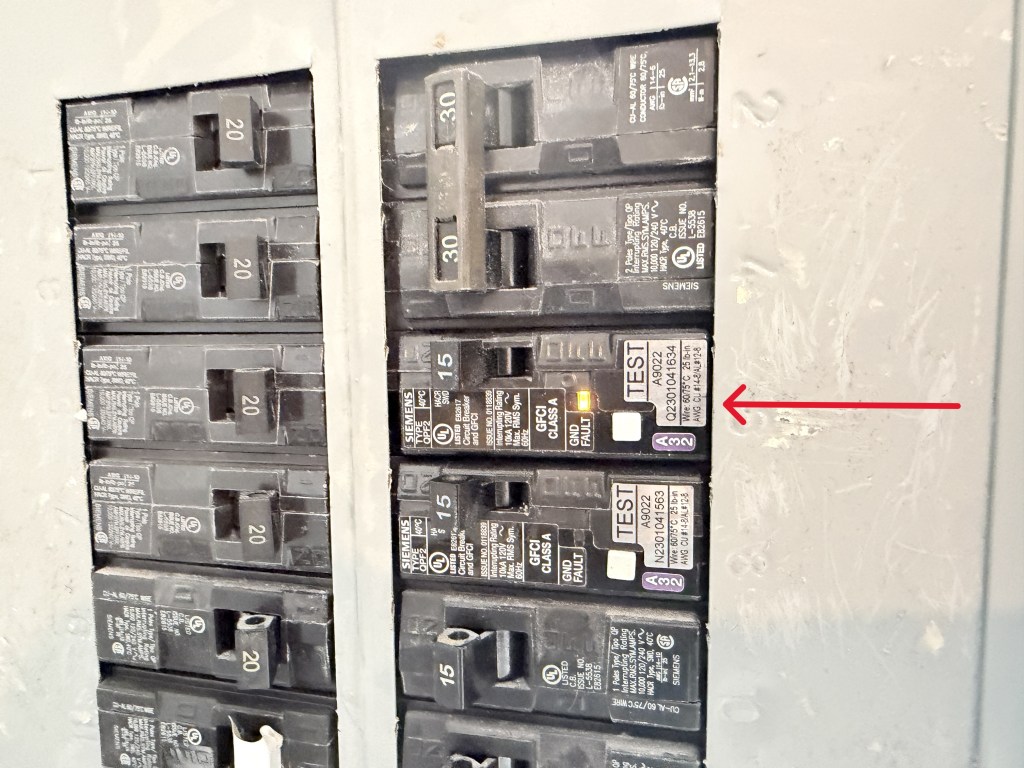
A GFCI monitors the electrical current flowing between the hot and neutral conductors.
If it detects even a small imbalance — typically 4–6 milliamps — it trips within milliseconds.
That rapid shutoff prevents severe electric shock.
Where GFCIs Are Required Today
Modern standards require GFCI protection in:
- Bathrooms
- Kitchen countertop outlets
- Garages
- Exterior outlets
- Unfinished basements
- Crawl spaces
- Laundry areas
- Within six feet of sinks
Protection may be installed:
- At the receptacle
- Or at the breaker in the panel
Both are acceptable when properly installed.
Why Missing GFCIs Come Up Frequently in NJ Homes
Many older homes were built before GFCIs were required.
When found missing in wet areas, they are typically documented as:
Safety upgrades recommended.
Not necessarily defects.
That distinction is important during negotiations.
Can a GFCI Protect an Open Ground Circuit?
Yes.
A properly installed GFCI can provide shock protection even if a grounding conductor is absent.
It works by detecting imbalance — not by relying on grounding.
So:
Open ground + GFCI
= Shock protection present
The remaining limitation becomes surge protection performance.
100-Amp Service — Is It a Problem?
Many New Jersey homes operate on 100-amp electrical service.
A 100-amp service is:
- Not inherently unsafe
- Not automatically outdated
- Not a defect by itself
Service size is determined by load calculations — not assumptions.
Many modest homes operate safely within 100 amps when loads are balanced properly.
When 100 Amps May Be Limiting
Capacity may become restrictive if:
- Electric heat is installed
- Electric HVAC systems are present
- EV charging is planned
- Major renovations are anticipated
- Electric cooking and dryers are used
In those cases, upgrading to 200 amps may be advisable.
But that is modernization — not a failure.
Code Evolution vs. Defect Classification
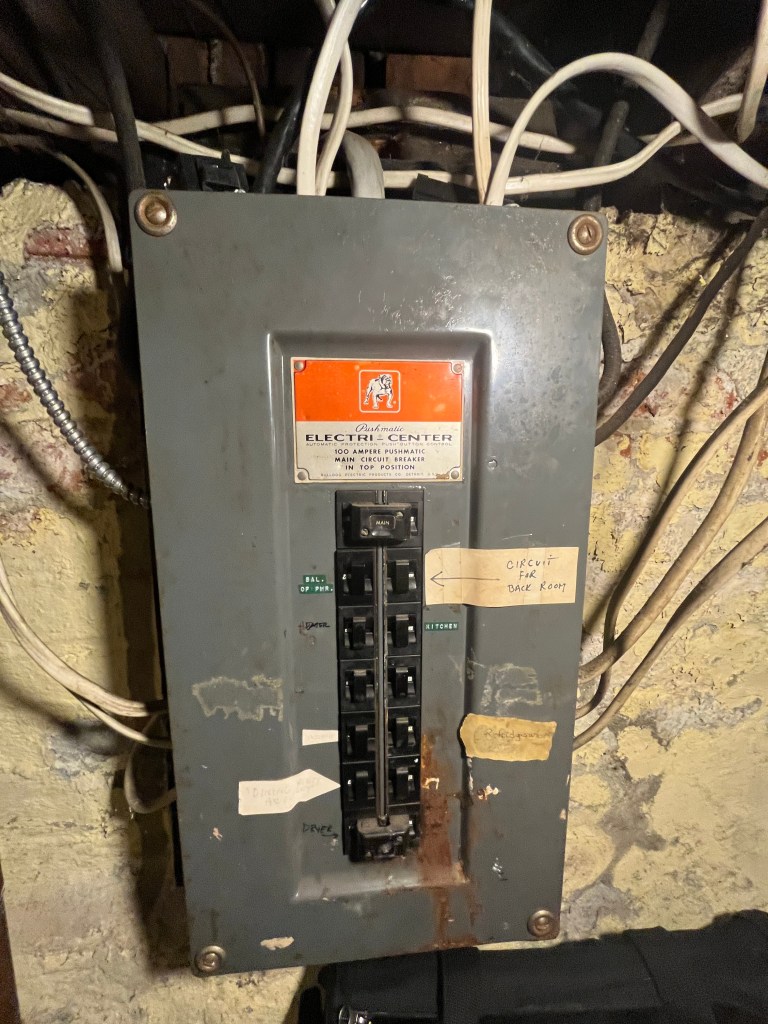
Electrical codes change over time.
Homes built in 1960 were wired under different standards than homes built today.
Inspectors do not enforce modern code retroactively.
Instead, we evaluate:
- Safety
- Function
- Visible hazards
- Evidence of overheating
- Improper installations
Examples:
Missing GFCI in a 1960 home = Upgrade recommendation
Improper breaker sizing = Material defect
Burned conductors = Immediate repair
Clear classification prevents unnecessary alarm.
Electrical Systems and Insurance Considerations
Some insurance carriers may request:
- Panel upgrades
- GFCI installations
- Service capacity increases
These are underwriting decisions — not always safety mandates.
Understanding electrical systems in a New Jersey home inspection allows buyers to anticipate these conditions before closing.
Electrical Systems and Long-Term Planning
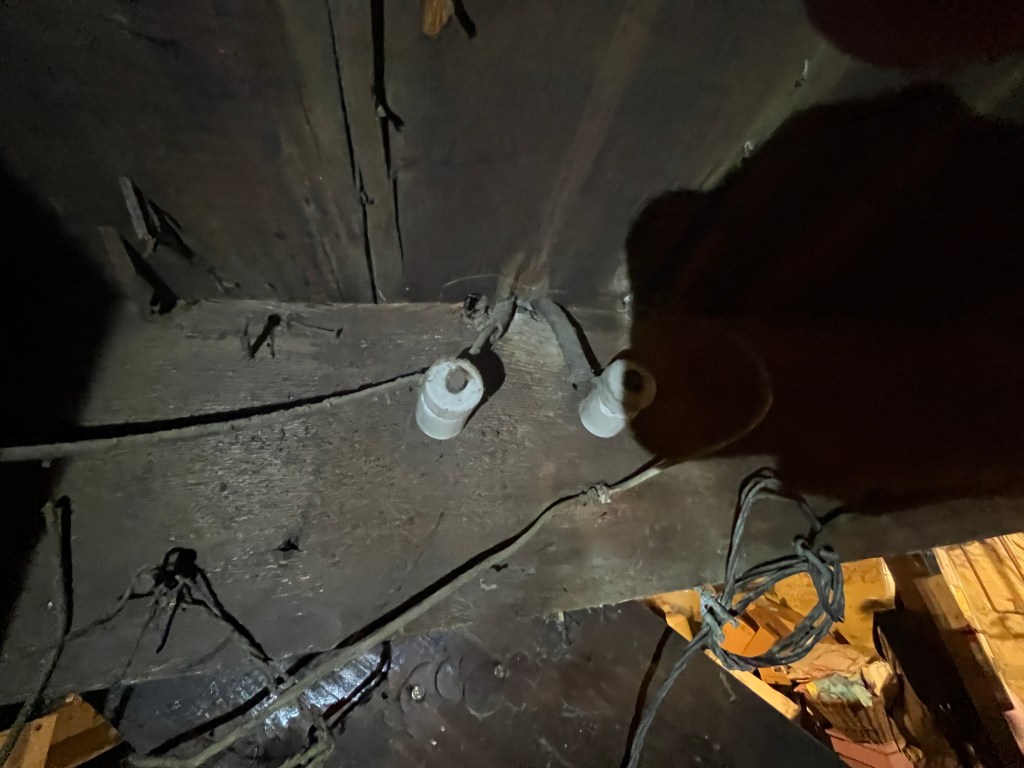
An inspection report is more than a snapshot. It’s a roadmap.
Planning considerations may include:
- Aging panel equipment
- Limited capacity for EV charging
- Absence of whole-home surge protection
- Aging branch wiring
- Heavy reliance on power strips
These are rarely emergencies.
They are financial planning items.
Electrical Renovations and Lead Safety Considerations
In homes built prior to 1978, electrical upgrades may disturb painted surfaces containing lead.
Homeowners should review federal requirements under the EPA Renovation, Repair and Painting Program:
https://www.epa.gov/lead/lead-renovation-repair-and-painting-program
For New Jersey housing and safety guidance:
Electrical upgrades and renovation safety go hand in hand — especially in older NJ housing stock.
How Dynamic Inspections Explains Electrical Findings
At Dynamic Inspections LLC, clarity is a priority.
Findings are categorized as:
- Material defect
- Safety concern
- Maintenance item
- Upgrade recommendation
An open ground typically falls under modernization.
Missing GFCI protection = Safety upgrade.
Improper breaker sizing or overheating conductors = Material defect.
Learn more about our home inspection services:
https://www.dynamicinspections.net/home-inspections
Schedule your inspection here:
https://www.dynamicinspections.net/contact
Final Thoughts
Electrical systems power everything in a home — but understanding them is about interpretation, not alarm.
When electrical systems in a New Jersey home inspection are explained clearly, buyers can:
- Prioritize real safety issues
- Plan upgrades intelligently
- Negotiate confidently
- Budget realistically
- Close with peace of mind
Inspections are not about fear.
They’re about informed decisions.
And informed decisions lead to confident closings.