
Why Homeowners Suddenly See Pests in Early Spring
Every year throughout New Jersey, Pennsylvania, and Delaware, something familiar happens as winter begins to fade. After months of cold temperatures, frozen ground, and quiet neighborhoods, a few warm days finally arrive that feel like spring is just around the corner.
The air warms up, people open windows, and homeowners begin thinking about outdoor projects again. But along with that first stretch of warm weather, many people notice something else happening.
Ants suddenly appear along kitchen counters. Small insects gather near windowsills. And sometimes homeowners notice what they think are flying ants appearing inside the house.
Those first warm spells after winter often trigger a surge in pest activity. Homeowners across the region start noticing insects they have not seen for months.
In many cases this is normal seasonal behavior. But sometimes it can indicate conditions around the home that may be attracting pests or allowing them to enter the structure.
As a home inspection and environmental inspection company serving New Jersey, Pennsylvania, and Delaware, Dynamic Inspections LLC regularly receives questions from homeowners this time of year about pest activity, especially when temperatures begin rising after winter.
In this article we will explain why pests suddenly appear during early spring warmups, how to tell the difference between flying ants and termite swarmers, why carpenter ants become more noticeable during this time of year, and what homeowners should watch for around their homes.
If you have noticed insects appearing after the first warm days of the season, you are definitely not alone.
Why Pests Suddenly Appear After Winter
Insects and pests do not disappear during winter. Most species simply slow down their activity or enter a dormant state while temperatures remain low.
As the soil begins warming and daylight hours increase, insects quickly become active again. The transition between winter and spring is particularly important for many species because it marks the beginning of several important biological cycles.
Seasonal Pest Activity Cycles
During early spring many insect species begin:
• mating cycles
• colony expansion
• food searching behavior
• new nest formation
The sudden appearance of insects inside homes often occurs because pests that were already nearby begin moving again once temperatures rise.
Homes provide attractive environments for insects because they offer warmth, shelter from weather, moisture sources, and food.
Even well maintained homes can attract pests when outdoor conditions change quickly.
According to the U.S. Environmental Protection Agency, seasonal weather shifts are one of the primary factors influencing pest activity patterns across the United States.
https://www.epa.gov/safepestcontrol
In the Northeast, the first warm stretch of weather in late winter or early spring often leads to a noticeable increase in pest sightings.
The “Flying Ant” Mystery: Termite Swarmers vs Ants
One of the most common calls homeowners make during early spring involves insects they describe as flying ants.
In many cases, these insects are not ants at all.
They are termite swarmers.
Termite swarmers are reproductive termites whose job is to leave an established colony and start new colonies elsewhere. These insects temporarily grow wings and take flight when environmental conditions are favorable.
Warm temperatures combined with moisture often trigger swarming events.
Unfortunately termite swarmers look very similar to flying ants, and it is easy for homeowners to confuse the two.
Key Differences Between Termites and Flying Ants
Termite swarmers typically have:
• straight antennae
• thick waists without a narrow pinch
• two sets of wings that are equal in length
• wings that often shed near windows or doors
Flying ants typically have:
• bent antennae
• narrow pinched waists
• front wings longer than rear wings
• wings that remain attached longer
When swarmers appear inside a home it can sometimes indicate that a termite colony may already exist within the structure or nearby.
For this reason repeated swarming activity indoors should be evaluated by a professional.
More information about termite behavior and swarming activity can be found through the National Pest Management Association:
https://www.pestworld.org/pest-guide/termites/
Why Carpenter Ants Become Active in Early Spring
Another pest that becomes highly visible after winter is the carpenter ant.
Carpenter ants are among the largest ants commonly found in North America, and their sudden appearance indoors often alarms homeowners.
Carpenter Ants and Moisture-Damaged Wood
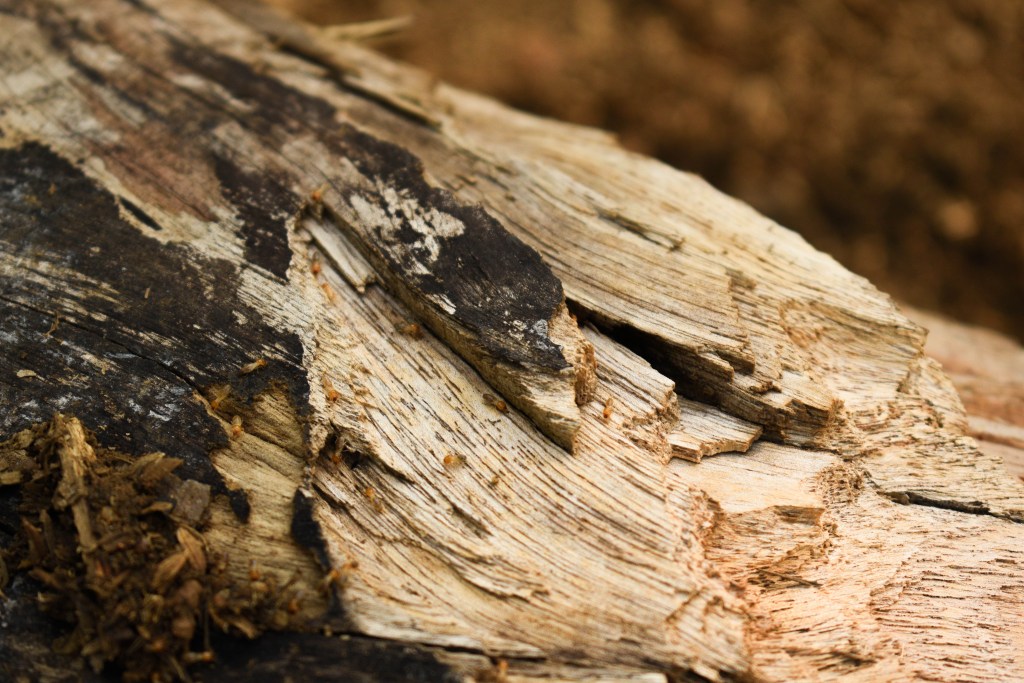
Unlike termites, carpenter ants do not eat wood. Instead, they excavate wood to create nesting galleries for their colonies.
They prefer wood that is:
• damp
• decayed
• softened by moisture
Early spring is when carpenter ant colonies begin expanding and sending worker ants out to search for food.
Homeowners may notice carpenter ants:
• walking across countertops
• appearing near baseboards
• emerging around windows
• trailing through kitchens or pantries
Carpenter ants are particularly attracted to homes that have moisture problems.
Common Moisture Conditions That Attract Carpenter Ants

These conditions may include:
• roof leaks
• plumbing leaks
• poorly ventilated crawlspaces
• damp window framing
• water-damaged siding
Because of this, carpenter ants sometimes serve as indicators of hidden moisture damage within a home.
This is one reason professional inspections often include evaluation for wood destroying insects and conditions conducive to pest activity.
Learn more about our inspection services here:
https://dynamicinspections.net/home-inspection/
Other Pests That Appear During Early Spring Warmups
Ants and termites tend to get the most attention, but they are not the only insects that become active when temperatures rise.
Several other pests often become visible during early spring warm weather.
Pavement Ants
Pavement ants are extremely common in the Northeast.
They typically nest beneath:
• sidewalks
• driveways
• patios
• foundations
During winter they remain deep underground where temperatures remain stable. When spring warmth arrives they begin expanding their colonies and searching for food.
This often leads them indoors.
Homeowners typically notice pavement ants in kitchens, bathrooms, and basements.
Odorous House Ants
Odorous house ants are small ants sometimes called sugar ants because they are strongly attracted to sweet foods.
They are extremely common throughout New Jersey and Pennsylvania.
One unusual characteristic is that they release a strong odor when crushed, often described as similar to rotten coconut.
These ants frequently enter homes through small cracks in foundations or gaps around utility lines.
Cluster Flies
Cluster flies are another pest that homeowners often see when the weather begins warming.
These flies typically enter homes during the fall and spend winter hidden inside wall cavities and attic spaces.
When temperatures rise in late winter or early spring they become active again and attempt to exit the building.
This often leads them to gather around windows or light fixtures.
Boxelder Bugs
Boxelder bugs are another overwintering insect that becomes active during early spring warm spells.
They often gather on sunny walls of homes, window frames, or siding.
During winter they hide inside wall cavities and other sheltered spaces.
Once exterior walls begin warming in the sun they emerge and sometimes accidentally enter interior spaces.
Spiders Becoming More Visible
Many homeowners also report seeing more spiders during early spring.
Spiders are present year round but become more noticeable because the insects they feed on are becoming active again.
In many cases spiders inside homes are simply following food sources.
How Roof Drainage Can Contribute to Pest Activity
Another important factor that can influence pest activity around homes is roof drainage.
Downspouts and Foundation Moisture
When gutters and downspouts discharge water directly next to the foundation, large volumes of roof runoff become concentrated in a small area.
During heavy rain this water saturates the soil around the home.
Over time this repeated saturation increases hydrostatic pressure against foundation walls and basement floors.
Hydrostatic pressure occurs when water builds up in the soil and pushes against the foundation.
Excess moisture in soil can create favorable conditions for insects and pests.
Moisture-damaged wood also becomes more attractive to carpenter ants and termites.
Properly extending downspouts away from the home can significantly reduce moisture buildup near the foundation.
Why Early Spring Pest Activity Matters for Homeowners
Most insects appearing during seasonal warmups are simply responding to environmental changes.
However some pest activity can signal larger issues inside a home.
These issues may include:
• moisture intrusion
• wood decay
• foundation gaps
• structural vulnerabilities
• improper drainage
Pests are extremely effective at locating weaknesses in buildings.
Even tiny openings can allow insects to enter.
Once inside they may establish colonies that remain hidden for long periods.
For example:
Carpenter ants often indicate moisture damaged wood.
Termite swarmers may indicate an established termite colony.
Large ant trails may reveal gaps in the building envelope.
These clues are often noticed during professional inspections or environmental assessments.
You can learn more about inspection services offered by Dynamic Inspections here:
https://dynamicinspections.net/
Steps Homeowners Can Take to Reduce Pest Activity
While no home can be completely pest proof, there are several simple steps homeowners can take to reduce insect activity.
Seal Entry Points
Inspect the exterior of the home for:
• foundation cracks
• gaps around pipes
• openings around electrical lines
• damaged weatherstripping
Sealing small openings can significantly reduce pest entry.
Control Moisture
Moisture is one of the biggest factors attracting pests.
Watch for:
• leaking gutters
• poor drainage near foundations
• plumbing leaks
• roof damage
Keeping structural wood dry reduces the likelihood of carpenter ants and termites.
Control Food Sources
Even small amounts of food can attract ants.
Basic steps include:
• cleaning crumbs promptly
• sealing food containers
• keeping trash bins closed
Trim Vegetation Near the Home
Branches and vegetation touching the home can act like bridges for insects.
Keeping plants trimmed away from siding and roofing helps reduce pest access.
Monitor Basements and Crawlspaces
These areas often provide the moisture insects prefer.
Checking periodically for damp wood, leaks, or insect activity can help homeowners identify problems early.
Final Thoughts: Spring Warmups and Pest Activity
Those first warm days after winter always feel great.
But they also mark the beginning of a very active season for insects and pests across New Jersey, Pennsylvania, and Delaware.
Seeing ants, termite swarmers, or other insects during early spring is extremely common.
In many cases it is simply nature responding to warming temperatures.
However some pest activity can provide important clues about the condition of a home.
Paying attention to these signs and addressing them early can help prevent larger problems down the road.
As temperatures continue to rise and spring fully arrives, homeowners will likely continue seeing increased pest activity.
Understanding what is normal and what may require further investigation can make a big difference in protecting your home.
And when questions arise, having a knowledgeable inspection professional available can help homeowners gain clarity and peace of mind.