
Wildfire Smoke Is Affecting Millions of Americans—Even Hundreds of Miles Away

For many homeowners, wildfires seem like disasters that only affect communities located near forests or grasslands. Yet over the past several years, millions of Americans have looked outside to find hazy skies, smelled smoke in the air, and received air quality alerts—even though the nearest wildfire may have been hundreds or even thousands of miles away.
Smoke from the Canadian wildfires has repeatedly drifted across much of the United States, impacting communities from the Midwest to the East Coast. States such as New Jersey and Pennsylvania have experienced unhealthy air quality despite having no active wildfires nearby. The reason is simple: wildfire smoke doesn’t recognize state or national borders. Under the right weather conditions, smoke can travel incredible distances before settling over populated areas.
During these events, homeowners should monitor local conditions using the https://www.airnow.gov/, which provides real-time air quality information and health recommendations based on your location.
Unfortunately, the problem doesn’t stop at your front door.
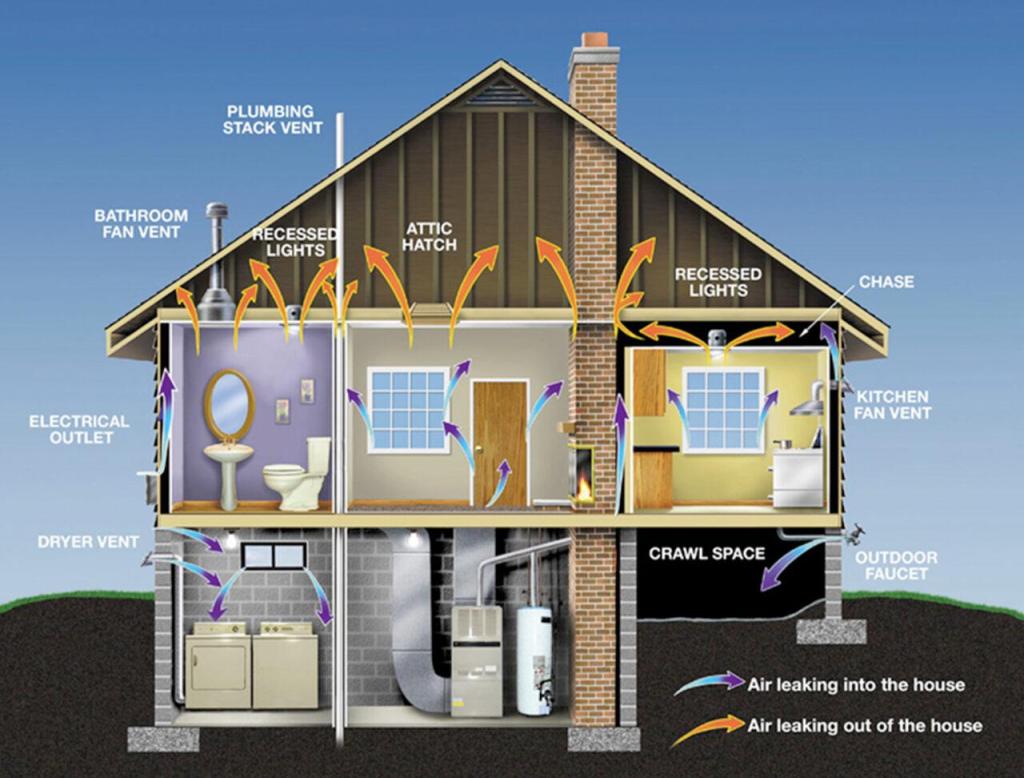
Many homeowners assume that staying indoors completely protects them from wildfire smoke. While your home provides an important barrier, no house is completely airtight. Tiny gaps around windows and doors, attic vents, plumbing penetrations, recessed lighting, crawl spaces, fireplaces, and even your heating and cooling system can allow smoke to enter your living space.
Once inside, some of the smallest particles remain suspended in the air for hours or even days, especially if outdoor air quality remains poor. Other contaminants settle onto furniture, carpeting, bedding, electronics, and HVAC filters, where they may continue affecting indoor air quality until properly cleaned or filtered.
As wildfire seasons become longer and more intense throughout North America, understanding how smoke affects your home has become just as important as understanding how it affects the outdoors.
Fortunately, there are practical steps every homeowner can take to reduce exposure, improve indoor air quality, and better protect their family during smoke events.
Why Wildfire Smoke Is More Than Just an Outdoor Problem
When most people think about wildfire smoke, they picture thick clouds of gray haze hanging over mountains or forests. In reality, wildfire smoke is an environmental health issue that extends far beyond the fire itself.
The Environmental Protection Agency (EPA) considers wildfire smoke one of the most significant sources of fine particulate air pollution in North America. During major wildfire events, smoke can spread across multiple states and significantly reduce air quality for days or even weeks.
Unlike many outdoor pollutants that quickly disperse, wildfire smoke contains microscopic particles and combustion gases that can infiltrate buildings and accumulate indoors. Every time someone opens a door, runs an exhaust fan, or cycles their HVAC system, outdoor air exchanges with indoor air. Even well-constructed homes experience this natural air movement.
This means that poor outdoor air quality often leads to reduced indoor air quality unless homeowners actively manage filtration, ventilation, and indoor pollutant sources.
The effects may be subtle at first. You may notice:
- A faint smoke odor indoors
- Burning or watery eyes
- A scratchy throat
- Mild headaches
- Fatigue
- Increased allergy symptoms
- More frequent asthma flare-ups
For individuals with heart disease, asthma, chronic obstructive pulmonary disease (COPD), compromised immune systems, or other respiratory conditions, exposure can become much more serious.
Children, older adults, and pregnant women are also considered higher-risk populations because their bodies are more susceptible to airborne pollutants.
The encouraging news is that understanding how wildfire smoke behaves allows homeowners to make informed decisions that can significantly reduce indoor exposure.
Wildfire Smoke Is Becoming More Common
Historically, many people associated wildfire smoke with western states such as California, Oregon, Washington, or Colorado. Today, changing climate patterns, prolonged droughts, higher temperatures, and larger wildfire seasons have dramatically expanded the geographic reach of smoke.
Large fires occurring in Canada have demonstrated just how interconnected our atmosphere has become. Strong upper-level winds have transported smoke across thousands of miles, affecting cities throughout the Northeast, Mid-Atlantic, Great Lakes, and even portions of the Southeast.
Scientists expect these long-range smoke events to become increasingly common.
That means homeowners throughout New Jersey, Pennsylvania, and surrounding states should understand how to respond when air quality deteriorates—not because they live near a wildfire, but because smoke can travel extraordinary distances.
Preparing your home today can make a significant difference during tomorrow’s smoke event.
What Makes Wildfire Smoke Dangerous?
One of the biggest misconceptions about wildfire smoke is that it’s simply “wood smoke.”
In reality, wildfire smoke is an incredibly complex mixture of microscopic particles, gases, and chemical compounds. Its composition depends on what is burning, how intensely it burns, weather conditions, and how long the smoke remains in the atmosphere.
Smoke produced by burning forests is very different from smoke generated when homes, vehicles, commercial buildings, or industrial facilities are involved. As modern wildfires increasingly impact neighborhoods and developed communities, the smoke can contain hundreds of different contaminants originating from building materials, household furnishings, plastics, electronics, insulation, roofing products, treated lumber, and synthetic fabrics.
Some of these pollutants are visible, but many of the most concerning contaminants are completely invisible to the naked eye. Understanding what wildfire smoke contains—and why those contaminants matter—is the first step toward protecting your home, improving your indoor air quality, and reducing your family’s exposure during smoke events.
Whether the smoke originates from Canadian wildfires, western forest fires, or fires closer to home, the goal isn’t to create unnecessary concern—it’s to understand the potential risks and take practical steps to protect your family. By understanding how smoke behaves, what it contains, and how it enters your home, you’ll be better prepared to make informed decisions that improve your indoor environment during wildfire smoke events.
What’s Actually in Wildfire Smoke?
Wildfire smoke is much more than the visible haze you see drifting through the air. It is a complex mixture of microscopic particles, gases, and chemical compounds created by combustion. The exact composition of wildfire smoke depends on what is burning, how hot the fire burns, weather conditions, and how long the smoke remains suspended in the atmosphere.
When smoke from Canadian wildfires reaches New Jersey, Pennsylvania, or other parts of the country, it may have traveled hundreds or even thousands of miles. While some larger particles settle out during transport, many of the smallest—and most hazardous—particles remain airborne and can easily enter homes.
Understanding the contaminants commonly found in wildfire smoke can help homeowners better appreciate why protecting wildfire smoke and indoor air quality is so important.
Fine Particulate Matter (PM2.5): The Greatest Health Concern

One of the most concerning components of wildfire smoke is PM2.5, or fine particulate matter measuring 2.5 micrometers or smaller. To put that into perspective, a human hair is approximately 70 micrometers in diameter, making PM2.5 particles nearly 30 times smaller.
Because these particles are so tiny, they often bypass the body’s natural defenses. Rather than becoming trapped in your nose or throat, PM2.5 particles can travel deep into the lungs where they may enter the bloodstream. Researchers have linked prolonged exposure to elevated PM2.5 levels with respiratory illness, asthma attacks, reduced lung function, cardiovascular disease, stroke, and other serious health concerns.
Unlike larger particles that eventually settle onto surfaces, PM2.5 can remain suspended in indoor air for extended periods, particularly when ventilation is limited or filtration is inadequate.
The EPA Wildfire Smoke Resources www.epa.gov/emergencies-iaq/wildfires-and-indoor-air-quality-iaq provide additional guidance on understanding smoke exposure, protecting your family, and improving indoor air quality during wildfire smoke events.
PM10: Larger Particles That Still Matter
Wildfire smoke also contains PM10, particles measuring 10 micrometers or less.
Although these particles are larger than PM2.5, they can still irritate the eyes, nose, throat, and upper respiratory system. PM10 often includes ash, soot, pollen, dust, and combustion residue that settles more quickly but can become airborne again when disturbed during cleaning or normal household activities.
Together, PM2.5 and PM10 contribute significantly to reduced indoor air quality during wildfire smoke events.
Volatile Organic Compounds (VOCs)
Wildfires release a variety of Volatile Organic Compounds (VOCs) into the atmosphere.
VOCs are carbon-based chemicals that easily evaporate into the air. While many occur naturally during vegetation fires, additional VOCs are produced when homes, vehicles, furniture, flooring, plastics, paints, and household products burn.
Exposure to elevated VOC concentrations may contribute to:
- Headaches
- Eye irritation
- Nose and throat irritation
- Dizziness
- Fatigue
- Nausea
- Difficulty concentrating
The specific health effects depend on the types and concentrations of VOCs present, as well as the duration of exposure.
Formaldehyde
Formaldehyde is another common combustion byproduct generated during many wildfire events.
While most people associate formaldehyde with new furniture or pressed wood products, it is also produced whenever many common building materials burn. Smoke from residential fires, commercial structures, and manufactured products can contain measurable concentrations of formaldehyde.
Even at relatively low concentrations, formaldehyde may cause:
- Burning eyes
- Sore throat
- Coughing
- Respiratory irritation
- Worsening asthma symptoms
Individuals with existing respiratory conditions are often more sensitive to exposure.
Polycyclic Aromatic Hydrocarbons (PAHs)
Wildfire smoke also contains Polycyclic Aromatic Hydrocarbons (PAHs), a group of chemicals formed whenever organic materials burn incompletely.
PAHs are produced by burning:
- Trees
- Brush
- Leaves
- Wood products
- Fossil fuels
- Household materials
Some PAHs have been identified as known or probable human carcinogens following long-term or repeated exposure. While short-term exposure during a smoke event is generally much lower than occupational exposures, reducing unnecessary contact remains an important part of protecting your family’s health.
Carbon Monoxide
Carbon monoxide (CO) is an odorless, colorless gas produced by incomplete combustion.
Fortunately, smoke reaching communities hundreds of miles away typically contains much lower carbon monoxide concentrations than areas located near active wildfires. However, carbon monoxide remains an important combustion gas that contributes to overall air quality concerns during major wildfire events.
It’s also worth remembering that homes can have additional indoor carbon monoxide sources such as furnaces, fireplaces, gas stoves, portable generators, and vehicles left running in attached garages. Every home should have properly functioning carbon monoxide alarms installed according to manufacturer recommendations.
Ground-Level Ozone
Many homeowners don’t realize that wildfire smoke can contribute to increased ground-level ozone.
Wildfires don’t directly release ozone. Instead, gases contained within smoke react with sunlight and other atmospheric pollutants to produce ozone, particularly during warm, sunny weather.
Ozone can irritate the lungs, reduce lung function, and worsen asthma, making outdoor air quality even more hazardous during prolonged smoke events.
Smoke from Homes Is Different Than Smoke from Forests
One of the biggest changes in recent years is that many wildfires are no longer limited to forests.
As communities expand into wooded areas, more fires involve homes, commercial buildings, vehicles, and infrastructure. These are often referred to as wildland-urban interface fires, and they produce smoke that is chemically different from smoke generated by vegetation alone.
When structures burn, smoke may also contain contaminants released from:
- Vinyl siding
- Asphalt roofing shingles
- Pressure-treated lumber
- Spray foam insulation
- Carpeting and padding
- Upholstered furniture
- Electronics
- Household cleaning products
- PVC plumbing
- Synthetic fabrics
- Paints, adhesives, and sealants
- Lithium-ion batteries
- Plastics and composite materials
These materials can release additional hazardous combustion products that increase the complexity of the smoke plume and may affect both outdoor and indoor air quality.
While communities located hundreds of miles away generally experience much lower concentrations than those near the fire itself, understanding these potential contaminants reinforces the importance of minimizing unnecessary smoke exposure whenever air quality is poor.
How Wildfire Smoke Gets Into Your Home
Many homeowners ask, “If my windows are closed, how is smoke getting inside?”
The answer lies in the science of how buildings breathe.
No home is completely airtight. Every structure constantly exchanges air with the outdoors through a process known as air infiltration. As outdoor air pressure, wind, temperature, and HVAC operation change throughout the day, air naturally moves into and out of the building envelope.
Smoke can enter through surprisingly small openings, including:
- Gaps around windows and exterior doors
- Attic and soffit vents
- Ridge vents
- Crawl spaces
- Plumbing and electrical penetrations
- Recessed lighting fixtures
- Chimneys and fireplace dampers
- Dryer vents
- Bathroom and kitchen exhaust fan penetrations
- Garage-to-house connections
- HVAC systems that introduce outside air
Even newer homes built to modern energy codes experience some level of air leakage. Older homes often allow significantly more outside air to infiltrate through aging construction materials and less efficient building envelopes.
Once smoke enters your home, the smallest particles can remain suspended in the air for many hours before settling onto furniture, carpets, curtains, bedding, HVAC filters, and other household surfaces.
Understanding how smoke enters your home is the first step toward reducing exposure. The good news is that there are several effective strategies homeowners can use to improve wildfire smoke and indoor air quality, protect their families, and reduce the amount of smoke that enters their living space in the first place.
If you continue to notice lingering smoke odors, worsening allergy or respiratory symptoms, or have concerns about the air inside your home after a smoke event, a professional Indoor Environmental Quality (IEQ) & Indoor Air Quality (IAQ) Investigations can help identify airborne particulates, ventilation deficiencies, moisture issues, and other environmental factors that may be impacting your indoor environment.
Protecting Yourself and Your Family During Wildfire Smoke Events
When smoke fills the sky, your first instinct may be to stay indoors and wait for conditions to improve. While remaining inside is one of the most effective ways to reduce exposure, there are several additional steps homeowners can take to protect their families and maintain healthier wildfire smoke and indoor air quality.
Fortunately, many of these measures are simple, inexpensive, and can significantly reduce the amount of smoke and airborne contaminants that enter your home.
Monitor Air Quality Before You Head Outdoors
One of the easiest ways to protect yourself is by checking your local Air Quality Index (AQI) before spending time outside.
The AQI is a color-coded system developed by the U.S. Environmental Protection Agency (EPA) that measures the concentration of common air pollutants, including fine particulate matter (PM2.5).
As wildfire smoke moves into an area, AQI values can change quickly throughout the day.
Understanding the Air Quality Index (AQI)
| AQI | Air Quality | Recommendations |
|---|---|---|
| 0–50 | Good | Outdoor activities are generally safe. |
| 51–100 | Moderate | Acceptable for most people; sensitive individuals should monitor symptoms. |
| 101–150 | Unhealthy for Sensitive Groups | Children, older adults, pregnant women, and people with heart or lung disease should reduce prolonged outdoor activity. |
| 151–200 | Unhealthy | Everyone should limit prolonged outdoor exertion. |
| 201–300 | Very Unhealthy | Stay indoors whenever possible and reduce outdoor exposure. |
| 301+ | Hazardous | Avoid outdoor activities and follow guidance from local health officials. |
Check current conditions anytime at www.airnow.gov before planning outdoor activities.
Keep Smoke Outside Whenever Possible
Although no home is completely airtight, reducing the amount of outdoor air entering your home can significantly improve indoor air quality during smoke events.
When air quality is poor:
- Keep windows and exterior doors closed.
- Close fireplace dampers when fireplaces are not in use.
- Seal obvious gaps around doors and windows if practical.
- Minimize opening exterior doors unnecessarily.
- If your home has an attached garage, keep the door between the garage and living space closed.
These simple measures help reduce the amount of smoke entering your home while your HVAC filtration system works to remove airborne particles.
Let Your HVAC System Help You
Your heating and cooling system can become one of your greatest tools during wildfire smoke events—if it is properly maintained.
Many modern HVAC systems continuously circulate indoor air through an air filter. During periods of poor outdoor air quality, this filtration can significantly reduce airborne particulate matter inside the home.
However, not all filters perform equally.
Upgrade to a MERV-13 Filter (If Your System Allows)
HVAC filters are rated using the Minimum Efficiency Reporting Value (MERV) scale.
Higher MERV ratings capture smaller airborne particles.
For wildfire smoke, many HVAC professionals recommend a MERV-13 filter because it captures a significant percentage of PM2.5 particles while still allowing adequate airflow in many residential systems.
Before upgrading your filter, consult your HVAC manufacturer or contractor to ensure your system can accommodate a higher-efficiency filter without restricting airflow.
A clogged or improperly sized filter can actually reduce system performance.
During prolonged smoke events, inspect your HVAC filter more frequently and replace it if it becomes visibly dirty.
Consider a Portable HEPA Air Cleaner
Portable air cleaners equipped with True HEPA filters can be extremely effective at removing airborne particles from individual rooms.
Unlike many inexpensive air cleaners marketed online, a True HEPA filter is designed to capture at least 99.97% of particles measuring 0.3 microns, including many of the fine particles found in wildfire smoke.
When purchasing an air cleaner:
- Choose one sized appropriately for the room.
- Look for a True HEPA filter.
- Consider models that also contain activated carbon to help reduce smoke odors and some gaseous pollutants.
Remember that HEPA filters primarily remove particles—they do not remove all gases or volatile organic compounds (VOCs).
Create a “Clean Air Room”
If someone in your household has asthma, COPD, heart disease, or another respiratory condition, consider creating a designated clean air room during periods of poor air quality.
A clean air room should:
- Have minimal outdoor air leakage.
- Remain closed off from the rest of the home.
- Contain a properly sized HEPA air cleaner.
- Avoid activities that generate indoor pollution.
Many families choose a bedroom or living room where vulnerable household members spend the majority of their time until outdoor conditions improve.
Reduce Indoor Sources of Air Pollution
During wildfire smoke events, your goal should be to minimize additional pollutants inside the home.
Avoid activities that create unnecessary airborne particles or combustion products, including:
- Burning candles
- Using wood-burning fireplaces
- Smoking or vaping indoors
- Burning incense
- Frying foods at high temperatures
- Using charcoal grills indoors
- Operating portable generators inside or near the home
These activities can further degrade indoor air quality at a time when your home is already working to keep smoke outside.
Protect Children, Older Adults, and Sensitive Individuals
Not everyone responds to wildfire smoke the same way.
Certain populations are significantly more vulnerable to airborne pollutants, including:
- Infants and young children
- Older adults
- Pregnant women
- Individuals with asthma
- People with COPD
- Individuals with cardiovascular disease
- Anyone with compromised immune systems
Children deserve special attention because they breathe more air relative to their body weight than adults and their lungs are still developing.
If anyone in your household experiences increasing respiratory symptoms, chest pain, severe shortness of breath, dizziness, confusion, or other concerning symptoms, seek medical attention promptly.
Don’t Forget About Your Pets
Wildfire smoke affects more than people.
Dogs, cats, birds, and other household pets can experience many of the same respiratory effects as humans.
During periods of poor air quality:
- Keep pets indoors whenever possible.
- Limit strenuous exercise.
- Provide fresh drinking water.
- Watch for coughing, wheezing, excessive panting, or lethargy.
Birds are particularly sensitive to airborne pollutants because of their highly efficient respiratory systems.
If your pet develops concerning symptoms, contact your veterinarian.
Should You Wear an N95 Respirator?
If outdoor activities cannot be avoided during periods of unhealthy air quality, a properly fitted NIOSH-approved N95 respirator can help reduce inhalation of fine particulate matter.
However, N95 respirators have limitations.
They:
- Must fit properly to be effective (must have qualitative fit testing on the individual).
- Do not remove gases or VOCs.
- May not be appropriate for everyone, especially individuals with certain medical conditions.
Cloth face coverings and standard surgical masks provide little protection against PM2.5 particles found in wildfire smoke.
Improving Indoor Air Quality After the Smoke Clears
Even after skies appear blue again, smoke particles and combustion residue may remain inside your home.
Fine particles can settle onto:
- Carpeting
- Upholstered furniture
- Curtains
- Bedding
- HVAC filters
- Electronics
- Horizontal surfaces
Proper cleaning, filtration, and ventilation after outdoor air quality improves can help restore healthier indoor conditions and reduce lingering smoke odors.
For homeowners who continue experiencing respiratory irritation, persistent smoke odors, or concerns about their home’s indoor environment, additional evaluation may be appropriate.
Cleaning Up After a Wildfire Smoke Event
Even after the smoke has cleared and outdoor air quality has improved, your home may still contain fine particles and residues that settled on surfaces during the event. While most homes recover naturally with routine cleaning and ventilation, taking a few additional steps can help restore healthier indoor air quality and reduce lingering smoke odors.
Replace or Inspect HVAC Filters
Your HVAC filter likely captured a significant amount of airborne particulate matter during the smoke event. If your system operated continuously while outdoor air quality was poor, inspect the filter once conditions improve.
Replace the filter if it appears visibly dirty or if it has reached the manufacturer’s recommended service interval. Continuing to use a clogged filter can reduce airflow, decrease system efficiency, and limit its ability to remove airborne particles.
Clean Surfaces Using HEPA Filtration
Smoke particles often settle on horizontal surfaces throughout the home.
Focus on cleaning:
- Countertops
- Furniture
- Window sills
- Shelving
- Flooring
- Electronics (following manufacturer recommendations)
Whenever possible, use a vacuum equipped with a HEPA filter, which captures fine particles rather than recirculating them back into the air.
Microfiber cloths are also effective for removing settled dust and smoke residue.
Wash Fabrics That Absorb Smoke Odors
Smoke odors frequently linger in porous materials.
Consider laundering or cleaning:
- Bedding
- Curtains
- Upholstered furniture (according to manufacturer recommendations)
- Area rugs
- Pet bedding
- Clothing exposed to smoke
If odors persist after cleaning, additional ventilation and filtration may be necessary.
Ventilate When Outdoor Air Improves
Once local air quality returns to acceptable levels, gradually introduce fresh outdoor air into your home.
Open windows and doors for short periods to help flush remaining indoor pollutants while operating your HVAC system or portable HEPA air cleaner.
Before ventilating, verify that local air quality has improved by checking the Air Quality Index (AQI).
Frequently Asked Questions About Wildfire Smoke and Indoor Air Quality
Can wildfire smoke enter a newer home?
Yes. Even newly constructed homes experience some level of air infiltration. Smoke can enter through ventilation systems, attic spaces, small gaps around doors and windows, plumbing penetrations, and whenever exterior doors are opened.
How long does wildfire smoke remain inside a home?
It depends on several factors, including how much smoke entered the home, filtration efficiency, ventilation practices, and cleaning efforts. Fine particles may remain suspended in the air for several hours and can settle onto surfaces where they persist until removed.
Will my HVAC filter completely remove wildfire smoke?
No. Even high-efficiency filters cannot remove every airborne contaminant. However, properly maintained HVAC systems equipped with quality filters can significantly reduce indoor particulate concentrations during smoke events.
Do air purifiers remove smoke odors?
Portable HEPA air cleaners are highly effective at removing particulate matter but are less effective at removing gases and odors. Models that include activated carbon filters may help reduce smoke odors and certain volatile organic compounds (VOCs).
Should I have my home’s air tested after a wildfire smoke event?
In most cases, smoke odors and airborne particles diminish with proper cleaning, filtration, and ventilation. However, if smoke odors persist, occupants continue experiencing respiratory irritation, or there are concerns about indoor environmental quality, a professional evaluation may help identify ongoing issues and recommend appropriate corrective actions.
Helping Homeowners Make Informed Decisions
Wildfire smoke is becoming an increasingly common environmental concern across North America, affecting communities hundreds or even thousands of miles from the source of a fire. While homeowners cannot control wildfire activity, they can take meaningful steps to reduce exposure and improve wildfire smoke and indoor air quality within their homes.
Understanding how smoke enters a building, maintaining an effective HVAC filtration system, monitoring local air quality, and using proven strategies such as HEPA air cleaners can make a significant difference in protecting your family’s health during smoke events.
At Dynamic Inspections LLC, we believe informed homeowners make better decisions. Whether concerns involve wildfire smoke, moisture intrusion, ventilation issues, mold, or other environmental factors, our goal is to inspect, inform, and educate. Through our Environmental Testing & Assessment Services, we help homeowners better understand their indoor environment and provide practical recommendations based on building science and industry best practices.
Every home is unique, and every indoor environment responds differently to changing outdoor conditions. By understanding the science behind wildfire smoke and indoor air quality, homeowners can make informed decisions that promote healthier, safer living spaces—not only during wildfire season, but throughout the year.
Final Thoughts
Wildfire smoke serves as a reminder that the quality of the air inside our homes is closely connected to the environment outside. Although smoke events may be temporary, their effects on indoor air quality can linger if appropriate precautions are not taken.
Simple measures—such as monitoring the Air Quality Index, upgrading HVAC filtration where appropriate, using portable HEPA air cleaners, reducing indoor sources of pollution, and maintaining your home’s ventilation system—can help protect your family when wildfire smoke affects your community.
By staying informed and taking practical, science-based steps, homeowners can improve wildfire smoke and indoor air quality, reduce unnecessary exposure to airborne contaminants, and create healthier indoor environments for years to come.