When you think about purchasing a home, the decision likely revolves around location, aesthetic appeal, and price. But one of the most significant factors that can affect the long-term health and safety of your home is often overlooked—the structural integrity of the property. In New Jersey, where weather patterns, soil conditions, and age-related wear and tear on homes can present serious challenges, ensuring that your future home is structurally sound is essential.
A structural home inspection is not only a prudent choice; it’s a necessary step before buying any property. This kind of inspection can reveal hidden defects that are difficult to spot with the naked eye, but that could potentially affect the safety and stability of the entire house. Whether you’re buying a newly constructed home or one that’s decades old, a structural inspection can save you from making a costly mistake.
This blog post will cover why structural home inspections are essential for homebuyers in New Jersey, the types of issues inspectors look for, the financial benefits, and how to choose the right professional to inspect your future home.
What is a Structural Home Inspection?
A structural home inspection is an in-depth evaluation conducted by a certified inspector that focuses on the core elements of a house that contribute to its structural integrity. The goal of a structural inspection is to determine whether the home is built on a solid foundation and whether the essential components that support the structure are in good condition.
Here’s a breakdown of the major aspects that a structural inspection will assess:
- Foundation: The foundation is the bedrock of your home, literally and figuratively. Any issues with the foundation can lead to extensive structural damage, so it’s essential to inspect for cracks, shifting, or water damage.
- Walls: Both exterior and interior walls must be evaluated for signs of damage or weakness. Structural issues may include cracks, bowing, or uneven settling.
- Roofing: The roof system must be free from leaks, sagging, or any damage that could allow water to penetrate the home.
- Floors: Uneven floors are often a sign of foundation movement or structural instability.
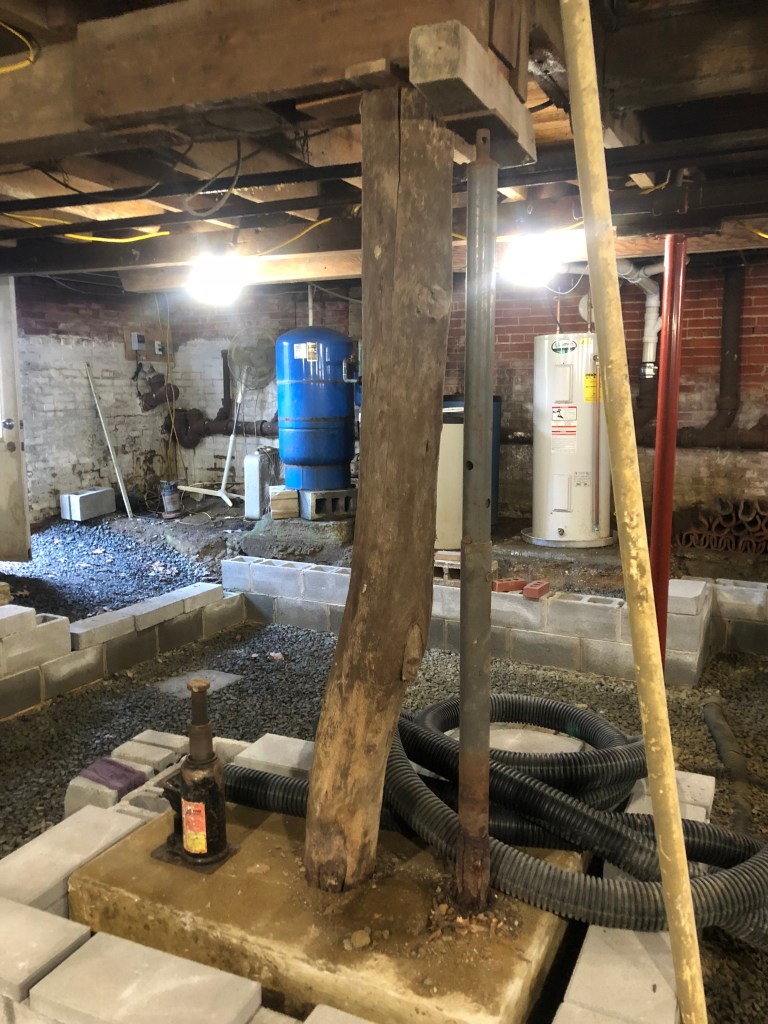
- Support Beams and Columns: These are the primary load-bearing elements of a home. Problems with these can compromise the stability of the entire structure.
- Plumbing and Electrical Systems: While these aren’t directly part of the structure, issues in these systems can arise from or contribute to structural problems.
By performing a structural home inspection, an inspector ensures that your home is safe, stable, and secure. Problems that may not be visible to an untrained eye, such as water damage, rot, or foundation settlement, can be detected, helping you avoid costly repairs down the line.
Why Are Structural Inspections So Important for New Jersey Homebuyers?
1. New Jersey’s Climate Impact on Home Foundations
New Jersey’s unique climate plays a significant role in the wear and tear of your property’s structure. The region experiences cold winters, humid summers, and frequent rain, all of which can impact the foundation and the overall stability of a home. Winter freezing and thawing cycles can cause soil to expand and contract, leading to foundation shifting or cracks.
Additionally, spring rains often result in water intrusion, particularly in basements or crawlspaces, weakening the foundation or creating moisture damage within the walls, floors, and other structural components.
2. Expansive Clay Soils and Foundation Issues
New Jersey’s soil conditions are diverse, but many areas are home to expansive clay soils that swell when wet and shrink when dry. This soil movement puts stress on foundations, especially those that are not designed to withstand such shifts. Homes built on expansive soils may experience settling or cracks in the foundation, which could lead to structural damage if left unchecked.
3. Termite Risk
In New Jersey, termites are a significant threat to homes. The humid climate provides the perfect environment for subterranean termites to thrive. Termites can compromise the structural integrity of a home by feeding on wooden beams, flooring, and other wooden structures. A structural inspection will help identify any signs of termite infestation or damage before it becomes a costly problem.
4. Earthquakes and Seismic Shifting
While earthquakes are not common in New Jersey, the state is not immune to seismic activity. Over time, small earthquakes or shifting soil can impact the foundation, causing cracks or misalignment. These subtle shifts are often undetectable without a professional inspection.
Common Structural Problems Found During Home Inspections in New Jersey
Understanding the most common issues that can arise in the structure of a home can help you be more prepared. Here are some typical problems that structural home inspections often uncover:
1. Cracks in the Foundation
Cracks in the foundation are one of the most common signs of structural problems. In some cases, cracks may be minor and repairable, but others can signal settling, shifting, or water damage. Large cracks in the foundation can compromise the structural integrity of the entire home.
2. Water Damage and Moisture Intrusion
Moisture intrusion is a major concern, especially in New Jersey’s humid climate. Excess water can seep into the foundation, leading to damage in the basement or crawlspace areas. This moisture can lead to mold growth, rotting wood, and weakened structural components.
3. Sagging or Uneven Floors
Sagging floors are often an indication of a problem with the home’s foundation or support beams. This issue can become progressively worse over time, leading to dangerous structural instability if left unchecked.
4. Roofing Issues
The roof is exposed to the elements, and over time, it can develop issues such as shingles lifting, cracks, or leaks. Water infiltration through the roof can quickly lead to significant structural damage, particularly if left undetected.
5. Wall Cracks or Bowing
If you notice cracks or bowing in your walls, it’s important to have a structural inspection. These issues may indicate foundation problems, moisture damage, or issues with the home’s load-bearing walls. Bowed walls are often a sign of serious structural stress and should be addressed immediately.
The Financial Benefits of a Structural Home Inspection
A structural home inspection is an investment that can save you thousands of dollars by identifying problems early and allowing you to make informed decisions. Here are some of the key financial benefits:
1. Early Detection Saves Money
Structural issues that are left unchecked can worsen over time and lead to costly repairs. For example, a small crack in the foundation might seem insignificant at first, but if left untreated, it can grow and cause damage to other areas of the home. Early detection allows you to address problems before they become major expenses.
2. Helps Avoid Major Repair Costs
By identifying structural issues during the home buying process, you can avoid purchasing a home that requires extensive, costly repairs. Whether it’s addressing a cracked foundation, replacing a damaged roof, or fixing sagging floors, a structural inspection can save you from unpleasant financial surprises after closing.
3. Provides Leverage for Negotiations
If significant structural problems are found during the inspection, you may be able to negotiate with the seller to either lower the price or make repairs before closing. This can significantly reduce your out-of-pocket costs.
4. Insurance and Resale Value Protection
If you’re purchasing a home with existing structural issues, your insurance provider may charge higher premiums or refuse coverage altogether. Addressing these issues early ensures that your home is insurable and retains its value when it’s time to sell.
How to Choose a Qualified Home Inspector in New Jersey
Choosing the right home inspector is crucial for ensuring a thorough and accurate structural inspection. Here are some tips for finding a qualified inspector:
1. Verify Licensing and Certifications
Ensure the inspector is licensed by the New Jersey Department of Community Affairs. Additionally, consider inspectors who are members of professional organizations like the American Society of Home Inspectors (ASHI) or the International Association of Certified Home Inspectors (InterNACHI), which uphold strict standards of conduct.
2. Ask About Experience and References
Experience matters when it comes to structural inspections. Ask potential inspectors about their experience, particularly with homes in New Jersey. Inspectors familiar with local soil conditions, climate factors, and common issues in
the region will provide a more comprehensive evaluation.
3. Use Technology
The best inspectors use technology, such as thermal imaging cameras and moisture meters, to detect hidden structural problems. Ask your inspector about the tools they use to ensure the inspection is thorough and up-to-date.
Conclusion: Protect Your Home with a Professional Structural Inspection
Investing in a structural home inspection is one of the best decisions you can make when purchasing a property in New Jersey. The climate, soil conditions, and common structural issues in the region mean that a thorough inspection is essential for protecting your home and your finances.
For a comprehensive, expert home inspection service in New Jersey, contact Dynamic Inspections LLC. Our team of experienced professionals will provide a detailed assessment of your home’s structural integrity, ensuring that you are fully informed about the condition of your property before making such a significant investment.
Resource List: