
If your neighborhood experienced heavy rain, strong winds, or severe thunderstorms recently, scheduling a post-storm home inspection in New Jersey may be one of the smartest investments you can make. While fallen branches and missing shingles are easy to spot, many of the most expensive problems begin where homeowners can’t see them. Hidden roof leaks, moisture intrusion, damaged flashing, and elevated humidity can quietly damage a home long before visible signs appear.
Throughout Bordentown, Burlington County, Mercer County, Hamilton, Florence, Chesterfield, Mansfield, and communities across Central and South Jersey, recent storms have delivered heavy rainfall, strong wind gusts, and localized flooding. Although many homeowners walk around their property after a storm looking for obvious damage, a visual inspection from the ground often misses the issues that eventually become the most costly.
At Dynamic Inspections LLC, we frequently tell our clients that water is far more destructive than wind. Wind may remove a shingle or loosen a piece of siding, but water is what causes structural deterioration, insulation damage, wood rot, indoor air quality concerns, and conditions that can support microbial growth. The sooner moisture intrusion is identified, the greater the opportunity to minimize repairs and protect your investment.
Why Storm Damage Often Goes Undetected
One of the biggest misconceptions homeowners have is believing that if there isn’t a ceiling stain or active leak, the home escaped the storm without damage.
Unfortunately, that’s rarely how buildings behave.
Water has an incredible ability to travel through a structure. It can enter through a damaged roof flashing, migrate along roof decking, follow framing members, and eventually appear several feet—or even several rooms—away from where it entered. By the time a brown stain appears on a ceiling, the leak may have been active for weeks or months.
Likewise, high winds can lift asphalt shingles just enough to break the factory seal without removing them entirely. Those shingles may appear perfectly normal from the ground, yet they can allow water to penetrate the roofing system during the next rainstorm.
Because these conditions are often hidden, they may continue to worsen until repairs become significantly more expensive.
A Home Inspection Looks Beyond the Obvious

Many homeowners assume a roofing contractor is the first person to call after severe weather. While roofing contractors are experts at evaluating roofing systems, a comprehensive home inspection looks at the entire building as a system.
During a post-storm inspection, Dynamic Inspections LLC evaluates far more than the roof. We inspect the home’s exterior, attic, foundation, grading, drainage, structural components, plumbing areas, crawl spaces, and other readily accessible systems that may have been affected by severe weather.
This broader approach helps identify damage that may otherwise go unnoticed.
Roof Components That Commonly Sustain Storm Damage
The roof is the home’s first line of defense against the elements, making it one of the most vulnerable areas during severe weather.
Following heavy rain or strong winds, we carefully evaluate readily accessible roofing components for signs of damage, including:
- Missing or displaced shingles
- Lifted or unsealed shingles
- Damaged ridge caps
- Exposed roofing fasteners
- Loose or damaged flashing
- Chimney flashing defects
- Plumbing vent flashing deterioration
- Skylight flashing issues
- Damaged roof penetrations
- Improper roof drainage
Many homeowners are surprised to learn that flashing failures often result in leaks long before shingles fail.
Flashing is designed to redirect water away from vulnerable roof intersections. When flashing becomes loose, bent, improperly sealed, or damaged during a storm, water can enter the home even though the roofing material itself appears intact.
Gutters Are More Important Than Most Homeowners Realize
Gutters are often overlooked until they overflow.
After heavy rainfall, we frequently observe:
- Gutters pulled away from the fascia
- Loose gutter fasteners
- Damaged downspouts
- Debris restricting water flow
- Improper drainage discharge
- Overflow causing foundation saturation
A properly functioning gutter system is critical because it helps move thousands of gallons of water away from the home’s foundation throughout the year.
When drainage is compromised, water frequently accumulates around the foundation, increasing the potential for basement seepage, crawl space moisture, foundation movement, and soil erosion.
Moisture Is the Real Enemy
One of the biggest differences between Dynamic Inspections LLC and many traditional home inspection companies is our emphasis on identifying conditions conducive to microbial growth.
Many homeowners immediately think of mold whenever water enters a home. However, microbial growth requires specific environmental conditions to develop, and those conditions often begin with elevated moisture levels that go unnoticed.
As part of every home inspection, we carefully evaluate the home for signs of current or previous moisture intrusion. Our inspection includes a visual assessment for water staining, discoloration, damaged finishes, deteriorated building materials, and other indicators that may suggest past or active leaks.
Particular attention is given to areas where moisture problems commonly occur, including:
- Kitchens
- Bathrooms
- Laundry rooms
- Around plumbing fixtures
- Below windows
- Around exterior doors
- Attics
- Crawl spaces
- Basements
- Utility rooms
- Beneath roof penetrations
Water doesn’t always leave obvious evidence immediately. In many cases, moisture can remain concealed behind drywall, beneath flooring, inside wall cavities, or above finished ceilings.
For this reason, our inspections often extend beyond a visual evaluation alone.
We Verify Moisture—Not Just Guess

When conditions warrant, Dynamic Inspections LLC utilizes thermal imaging technology as part of the inspection process. Thermal imaging allows us to identify temperature anomalies that may indicate hidden moisture or insulation deficiencies.
Thermal imaging alone cannot confirm the presence of moisture. Instead, it serves as a valuable screening tool that helps identify areas requiring additional evaluation.
When thermal anomalies or visual indicators are observed, we follow up with professional moisture meters to verify whether building materials contain elevated moisture levels. This additional step helps distinguish between historical staining and active moisture intrusion.
By combining:
- Visual observations
- Building science knowledge
- Thermal imaging
- Moisture meter verification
we provide our clients with a much more comprehensive understanding of their home’s condition than a visual inspection alone.
This approach is particularly valuable following periods of prolonged rainfall or severe storms, when moisture intrusion may still be active but has not yet produced visible damage.
Your Attic May Tell the Story Before Your Ceiling Does
One of the first places we inspect after a period of heavy rain is the attic. While many homeowners never enter their attic, it can provide valuable clues about the overall condition of the roofing system.
During a home inspection, we evaluate the attic for readily visible signs of:
- Water staining on the underside of the roof sheathing
- Wet or compressed insulation
- Rusted roofing fasteners
- Evidence of previous roof leaks
- Improper ventilation
- Daylight entering where it should not
- Deteriorated roof framing
- Condensation-related moisture
Many roof leaks begin in the attic long before they become visible inside the living space. A small leak can saturate insulation, reduce its insulating value, and create conditions favorable for wood deterioration over time.
In some cases, homeowners are unaware of an issue until they notice peeling paint or a ceiling stain months after the storm has passed. By then, the repair often involves more than simply replacing a few shingles.
Basements and Crawl Spaces Often Reveal Hidden Water Problems
Heavy rain doesn’t just affect the roof.
When the ground becomes saturated, excess water places tremendous pressure against foundation walls. This hydrostatic pressure can force moisture through foundation cracks, masonry walls, and concrete floor joints.
As part of our home inspection, we carefully evaluate basements and crawl spaces for evidence of:
- Foundation seepage
- Standing water
- Damp insulation
- Elevated humidity
- Condensation
- Water staining
- Efflorescence
- Wood deterioration
- Previous repairs
- Moisture intrusion
These areas frequently contain plumbing, HVAC equipment, electrical components, and structural framing. Identifying moisture early helps prevent more significant damage to these important building systems.
In homes with crawl spaces, excess moisture can also affect indoor air quality. Because air naturally moves upward through a home, humid air from a crawl space can migrate into the living areas above, carrying moisture and odors with it.
Windows, Doors, and Exterior Walls Can Leak Too
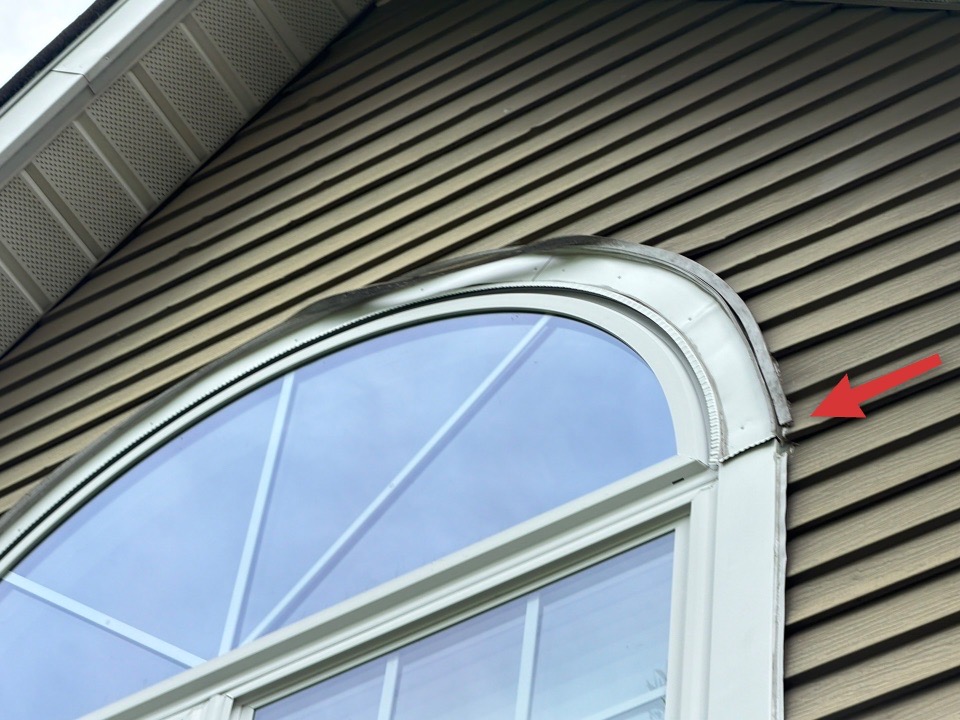
Not every storm-related leak originates at the roof.
Wind-driven rain can enter around improperly sealed windows, deteriorated exterior caulking, damaged siding, failed flashing, or aging exterior trim.
During our inspections, we evaluate these components for indicators of water intrusion, including:
- Failed sealant
- Gaps around windows
- Deteriorated siding
- Improper flashing
- Soft trim
- Water staining
- Wood rot
- Damaged soffits
- Damaged fascia
Many homeowners assume replacing caulk solves every leak. Unfortunately, improper flashing installation is often the actual cause, allowing water to bypass the exterior finish entirely.
Storms Can Create Structural Concerns
Strong winds and saturated soil can also affect the structural components of a home.
Although major structural damage is uncommon, storms can contribute to conditions such as:
- Settlement caused by saturated soils
- Tree impact damage
- Damaged structural framing
- Deck movement
- Porch movement
- Retaining wall displacement
- Soil erosion around foundations
These conditions may develop gradually and are not always immediately apparent following a storm.
Trees Can Damage More Than Your Roof
Many homeowners breathe a sigh of relief if a tree doesn’t fall on their home.
However, storm-damaged trees often create less obvious hazards.
Broken limbs may scrape roofing materials, gutters, siding, or windows. Leaning trees can indicate disturbed root systems following prolonged saturation, increasing the likelihood of future failure.
During our inspections, we also observe vegetation and grading where they may have an immediate adverse effect on the home’s condition. Overhanging limbs, improper drainage, and vegetation contacting siding can all contribute to future maintenance concerns.
Why Moisture Problems Become Expensive
One of the biggest mistakes homeowners make is assuming a small leak can wait.
Unfortunately, moisture rarely stays in one place.
Once water enters a building, it often travels through:
- Roof decking
- Insulation
- Wall cavities
- Ceiling assemblies
- Floor framing
- Structural members
Over time, this can lead to:
- Wood deterioration
- Drywall damage
- Insulation damage
- Flooring damage
- Paint failure
- Elevated humidity
- Unpleasant odors
- Conditions conducive to microbial growth
The earlier moisture intrusion is identified, the easier—and often less expensive—it is to correct.
Real-World Examples We Commonly Encounter
As home inspectors serving Bordentown and the surrounding communities, we routinely encounter storm-related conditions that homeowners were completely unaware of.
Some examples include:
Example 1
A homeowner noticed a minor water stain near a bedroom window following a heavy rainstorm.
Further inspection revealed the actual source wasn’t the window—it was damaged roof flashing several feet above the stain. Water had traveled through the wall cavity before becoming visible.
Example 2
During another inspection, thermal imaging identified a suspicious temperature anomaly in a ceiling below the attic.
Follow-up moisture meter readings confirmed elevated moisture levels despite no visible staining inside the home. Early identification allowed repairs before significant interior damage occurred.
Example 3
Following several days of heavy rain, a crawl space inspection revealed elevated humidity and wet insulation caused by improper exterior drainage—not a plumbing leak.
Correcting the grading and drainage prevented future moisture problems beneath the home.
These situations illustrate why identifying moisture early is so important.
Local Weather Makes These Inspections Especially Valuable
Homeowners throughout:
- Bordentown
- Hamilton
- Florence
- Chesterfield
- Mansfield
- Burlington Township
- Burlington County
- Mercer County
- Central New Jersey
- South Jersey
experience a combination of heavy rainfall, seasonal humidity, snow, freeze-thaw cycles, and severe summer thunderstorms.
These changing weather conditions place continuous stress on roofing systems, exterior finishes, foundations, drainage systems, and building envelopes.
Routine home inspections help identify developing issues before they become major repairs.
Why Experience Matters
Not all home inspections are the same.
At Dynamic Inspections LLC, our inspections are built on a foundation of building science, construction knowledge, and environmental experience.
Rather than simply documenting defects, we help clients understand:
- How the home performs as a complete system
- Why defects occur
- Which conditions require immediate attention
- Which items should be monitored
- How routine maintenance can extend the life of building components
We believe an informed homeowner is a better-prepared homeowner.
Helpful Resources
The following resources provide additional information about storm preparedness and recovery:
- National Weather Service Storm Safety: https://www.weather.gov/safety
- FEMA Disaster Recovery Resources: https://www.fema.gov/disaster/recover
Internal Resources from Dynamic Inspections LLC
To learn more about protecting your home, visit our:
- Home Inspection Services page
- Learning Center, where you’ll find additional articles on roofing, moisture intrusion, home maintenance, and protecting your investment.
When Should You Schedule a Post-Storm Home Inspection?
Not every storm requires an immediate inspection, but there are certain situations where having your home professionally evaluated can provide peace of mind and potentially save thousands of dollars in future repairs.
Consider scheduling a Post-Storm Home Inspection in New Jersey if:
- Your area experienced high winds, heavy rainfall, hail, or localized flooding.
- You notice missing shingles, damaged gutters, or fallen tree limbs.
- You observe water stains on ceilings or walls.
- Your basement or crawl space feels damp or develops a musty odor.
- Your sump pump has been running continuously.
- You notice cracks in drywall or changes in doors and windows after prolonged rainfall.
- You’re purchasing a home shortly after a major storm event and want to understand its current condition.
Many homeowners wait until a leak becomes obvious before taking action. Unfortunately, by that point, moisture may have already affected insulation, framing, drywall, or other concealed building materials. A professional inspection can identify developing issues while they are still manageable and often less expensive to repair.
Protect Your Home Before Small Problems Become Major Repairs
Your home is one of the largest investments you’ll ever make. Severe weather is unavoidable, but the long-term damage it can leave behind often isn’t.
Routine home inspections are about more than identifying defects—they’re about helping homeowners understand how their home performs and recognizing conditions before they become significant problems. Small maintenance items addressed today can often prevent extensive repairs tomorrow.
At Dynamic Inspections LLC, our philosophy is simple:
Inspect • Inform • Educate
We believe every client should leave the inspection with a better understanding of their home, its condition, and the steps they can take to protect their investment for years to come.
Whether you’re purchasing a home, maintaining your current property, or simply looking for peace of mind after a severe storm, we’re committed to providing thorough, unbiased inspections backed by experience, building science, and a genuine commitment to educating our clients.
Frequently Asked Questions
Is a home inspection recommended after a major storm?
Yes. Heavy rain, high winds, and hail can cause hidden damage that may not be immediately visible. A professional inspection can identify issues affecting the roof, attic, foundation, exterior, and other readily accessible components before they become more serious.
Can a home inspection detect hidden water leaks?
While no non-invasive inspection can detect every concealed condition, a professional home inspection can identify many indicators of moisture intrusion. At Dynamic Inspections LLC, we combine a detailed visual inspection with thermal imaging and moisture meter verification, when conditions warrant, to evaluate for active moisture intrusion and conditions conducive to microbial growth.
What areas of the home are inspected after a storm?
A comprehensive inspection typically includes the roof, attic, exterior, gutters, grading, foundation, basement, crawl space, windows, doors, siding, and other readily accessible structural and mechanical components that may have been affected by severe weather.
Do you inspect for mold?
Our standard home inspection is not a mold inspection. However, during every inspection we evaluate the home for conditions conducive to microbial growth, including visible water staining, signs of previous or active leaks, elevated moisture, and other indicators of moisture intrusion. If conditions warrant further evaluation, we may recommend a dedicated mold or indoor air quality assessment.
How often should a home be inspected?
Even if you’re not buying or selling, many homeowners benefit from a professional home inspection every few years, particularly after major storms or before undertaking significant repairs or renovations. Regular inspections can help identify maintenance issues early and extend the life of your home’s major systems.
Why Homeowners Choose Dynamic Inspections LLC
When you hire Dynamic Inspections LLC, you’re not just receiving a checklist of observations. You’re partnering with an inspector who understands construction, building performance, moisture intrusion, and environmental conditions that can impact the health and longevity of your home.
Every inspection is performed with the goal of helping you make informed decisions through clear communication, detailed reporting, and practical recommendations. We take the time to explain our findings, answer your questions, and provide the information you need to confidently maintain or purchase your home.
Whether you’re a first-time homebuyer, a seasoned homeowner, or preparing your property for sale, our inspections are designed to give you the knowledge and confidence you deserve.
Schedule Your Home Inspection Today
If your home experienced heavy rain, high winds, or severe weather recently, don’t assume that no visible damage means everything is fine. Hidden moisture intrusion and storm-related defects can go unnoticed for weeks or even months before they become apparent.
Dynamic Inspections LLC proudly provides professional home inspections throughout Bordentown, Hamilton, Florence, Chesterfield, Mansfield, Burlington Township, Burlington County, Mercer County, Central New Jersey, South Jersey, and Eastern Pennsylvania. Our comprehensive inspections are designed to help homeowners identify concerns early, understand their home’s condition, and protect one of their most valuable investments.
If you’re ready to schedule a home inspection or simply have questions about your property after a recent storm, we’re here to help.