
Introduction: The Importance of a Detailed Interior Inspection
When you think of a home inspection, the roof or foundation may come to mind first. However, one of the most crucial areas of any property inspection is the interior. While it may not always seem like the most exciting part of the process, a thorough interior inspection ensures that your home is safe, functional, and free of costly problems. A professional inspector will evaluate the condition of your home’s doors, windows, walls, ceilings, floors, stairways, cabinets, and countertops—each an essential part of maintaining a comfortable living environment.
In this guide, we will break down each of these elements, explain their importance, and why they deserve attention during the home inspection. By the end, you’ll understand how the interior inspection contributes to a comprehensive understanding of your home’s health and why addressing issues early can save time, money, and stress.
1. Doors: Ensuring Proper Functionality and Security
Doors are a vital part of your home’s functionality and security. From the front door to interior doors, an inspector will assess several aspects of your doors’ condition. The primary considerations for door inspection include:
- Alignment and Operation: Does the door close properly? Is it difficult to open or shut? Misaligned or sticking doors may indicate issues with the frame or settling of the foundation.
- Locks and Security: For exterior doors, functionality of locks is crucial to securing your home. An inspector will check that all locks are operational and that the door frames are secure.
- Weatherstripping and Seals: Doors should be properly sealed to prevent drafts and water infiltration. Worn weatherstripping can cause energy loss and, over time, damage the door or surrounding walls.
A door inspection ensures that your doors remain secure, energy-efficient, and easy to use.
2. Windows: Vital for Insulation and Natural Light
Windows provide more than just a view—they’re also essential for insulation and natural light. A home inspection will cover the following aspects of windows:
- Glass Integrity: Cracked or broken glass can be a safety hazard and lead to energy inefficiency. An inspector will check for any visible damage and recommend repair or replacement if needed.
- Frames and Sashes: The condition of window frames and sashes is critical. If the frame is rotting or the sash doesn’t close properly, it could lead to air leaks, moisture intrusion, or even security risks.
- Functionality: Windows should open and close smoothly, and any sticky or difficult windows may need attention. In addition to ease of use, an inspector will also check whether windows are securely fastened and locked.
- Energy Efficiency: Windows contribute significantly to your home’s energy efficiency. An inspector may note signs of poor insulation, such as condensation between panes, which can increase heating and cooling costs.
Proper window maintenance can improve both the comfort and efficiency of your home.
3. Walls: Structural Integrity and Aesthetic Considerations
Your home’s walls do more than support the structure—they’re key to insulation and aesthetics. During an interior inspection, the inspector will check for:
- Cracks and Damage: Small cracks can be normal, but large or growing cracks may indicate shifting foundations, settling, or moisture issues.
- Moisture Signs: Water damage, stains, or peeling paint often point to leaks. If the inspector notices signs of moisture, further evaluation may be needed to find the source, which could be plumbing, roof, or wall damage.
- Insulation and Ventilation: Walls also act as barriers to heat and cold. An inspector will check that insulation is intact and that air circulates properly to prevent temperature issues or moisture buildup.
- Interior Finishes: From drywall to paint and wallpaper, walls contribute significantly to your home’s aesthetic appeal. An inspector will note any damage or areas that may need repair to maintain both function and appearance.
A well-maintained wall system helps prevent long-term damage and maintains your home’s overall value.
4. Ceilings: Ensuring Stability and Moisture Prevention
Ceilings are another critical area that many overlook during home inspections. Here’s what an inspector will look for when checking your ceilings:
- Cracks and Holes: Ceiling cracks may be a sign of structural issues or settling. However, they can also result from age or humidity. It’s essential to understand the root cause to prevent further damage.
- Water Damage: Ceiling stains or discoloration typically signal leaks from the roof or plumbing. An inspector will look for any evidence of past or current leaks that could compromise the ceiling’s integrity.
- Sagging or Bowing: Ceilings that sag or bow can point to moisture damage, poor structural support, or damage from previous water issues.
- Fixture Integrity: Inspecting ceiling light fixtures and fans for proper installation is also part of the inspection process. An unsecured fixture could pose a safety hazard.
Addressing ceiling issues early can prevent further damage and maintain your home’s appearance and safety.
5. Floors: Supporting Your Home’s Functionality
Floors take the brunt of daily activity, and a thorough floor inspection ensures that your foundation remains solid and the surfaces are safe to walk on. The inspector will examine:
- Surface Damage: Cracked tiles, scratched hardwood, or worn carpets can detract from your home’s aesthetic appeal and functionality. A floor inspection will assess whether the damage is cosmetic or indicates a deeper problem with the foundation.
- Levelness: Floors should be level. Sloping or uneven floors can signal structural issues or foundation settling. An inspector will use specialized tools to assess whether the floors are truly level.
- Moisture Issues: For hardwood, carpet, or laminate flooring, moisture can be a major concern. Dampness can cause warping, mold growth, and unpleasant odors, so any moisture-related concerns will be flagged.
- Safety Concerns: Loose boards, tiles, or unsecured carpets are safety hazards that should be addressed immediately. Ensuring that floors are solid and even protects everyone in the household.
A floor inspection helps you detect problems that may not be visible right away but could escalate quickly if left unaddressed.
6. Steps & Stairways: Safety First
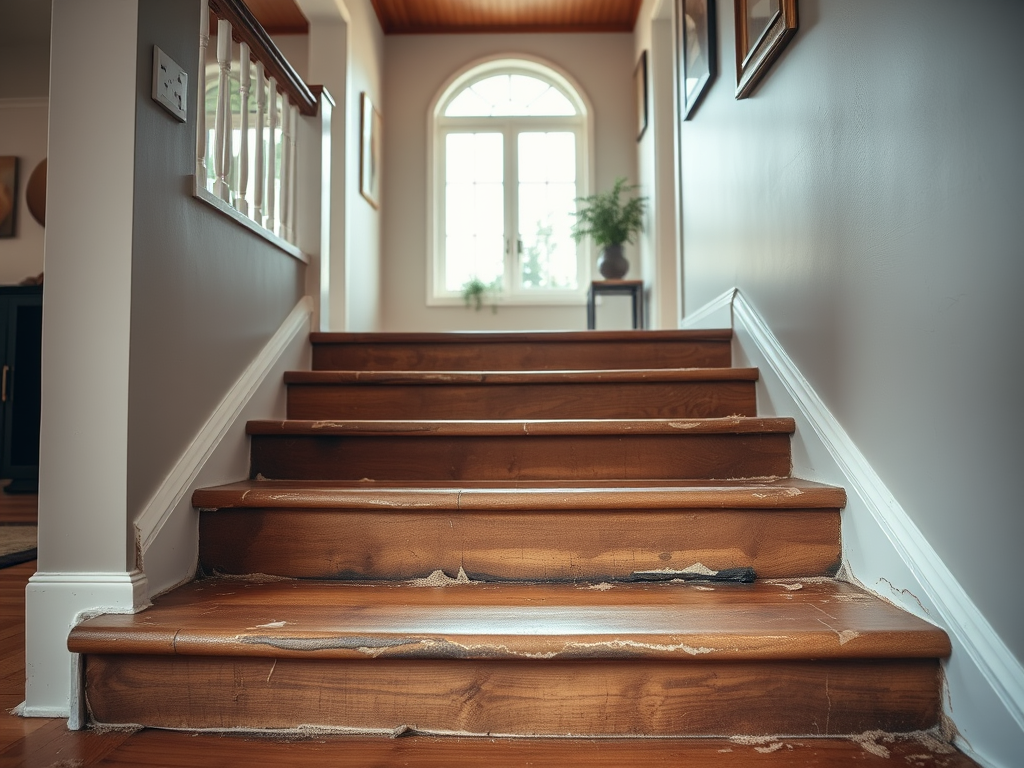
Stairways are one of the most critical areas of your home to inspect. Ensuring that your stairs are sturdy and properly maintained is essential for the safety of everyone who enters your home. A thorough inspection will include:
- Tread and Railing Stability: The inspector will evaluate whether the stairs are sturdy, whether the treads are secure, and whether the handrails are properly installed.
- Slippery or Worn Surfaces: Stairs should be free from slippery patches and excessive wear that could cause trips or falls. If you have carpeting on your stairs, an inspector will check for loose edges or wrinkles that could pose hazards.
- Structural Integrity: The inspector will assess the structural integrity of the stair supports to ensure that the entire system is sound. Any signs of shifting or instability must be addressed immediately.
A safe staircase is an essential feature of any home, especially for households with children or elderly family members.
7. Cabinets & Countertops: Practicality and Condition
Cabinets and countertops are functional features of your home, and their condition affects both your home’s value and your day-to-day life. The inspection will cover:
- Cabinet Doors and Drawers: Inspecting for signs of wear, such as warped doors, broken hinges, or drawers that don’t open and close smoothly.
- Countertop Damage: Cracks, chips, or stains in countertops can be both unsightly and damaging over time. The inspector will assess whether repairs are needed to preserve both function and appearance.
- Water Damage: Moisture can quickly damage cabinets and countertops, especially in areas like kitchens and bathrooms. Water stains, mildew, and warped wood are red flags that should be addressed.
Maintaining your cabinetry and countertops is not only important for aesthetics but also for preventing long-term issues with water damage and mold growth.
Conclusion: Why Interior Inspections Are Crucial for Homeowners
An interior inspection is one of the most important aspects of a home inspection, as it ensures that essential components of your home are safe, secure, and functional. By addressing issues such as door misalignment, window damage, cracks in the walls, or floor moisture, you can prevent small problems from becoming major headaches in the future.
Don’t overlook the importance of hiring a professional inspector to conduct a thorough inspection of your home’s interior. The benefits are clear: early detection, cost savings, and peace of mind for homeowners.
For a comprehensive home inspection that includes a detailed interior evaluation, contact Dynamic Inspections. Our professional inspectors will ensure your home’s interior is in top condition, so you can move forward with confidence.
Citations: