
Why Spring Is the Season That Exposes Hidden Problems
As winter fades in Mercer and Burlington County, many homeowners shift their attention outdoors. Lawns are greening up, temperatures are rising, and everything feels like it is coming back to life. What often goes unnoticed, however, is what winter may have quietly damaged.
The combination of snow, ice, and freezing temperatures puts stress on your home in ways that are not always visible right away. As things begin to thaw and spring rains settle in, those small issues can quickly turn into noticeable problems. Water has a way of finding the weakest point in any structure, and spring is when it usually does.
Two of the most common areas where issues show up are roof flashing and drainage systems. These are not always top of mind for homeowners, but they play a critical role in protecting your home from water intrusion.
H2: What Roof Flashing Actually Does
H3: A Simple Explanation
Roof flashing is one of those components most homeowners have heard of but may not fully understand. It is typically a thin piece of metal installed in areas where the roof meets another surface or where there are openings.
You will find flashing around chimneys, vent pipes, skylights, and along roof valleys. Its job is straightforward. It directs water away from seams and joints where leaks are most likely to occur.
Without properly installed flashing, water can work its way under shingles and into the structure of the home.
H3: Why Flashing Fails Over Time
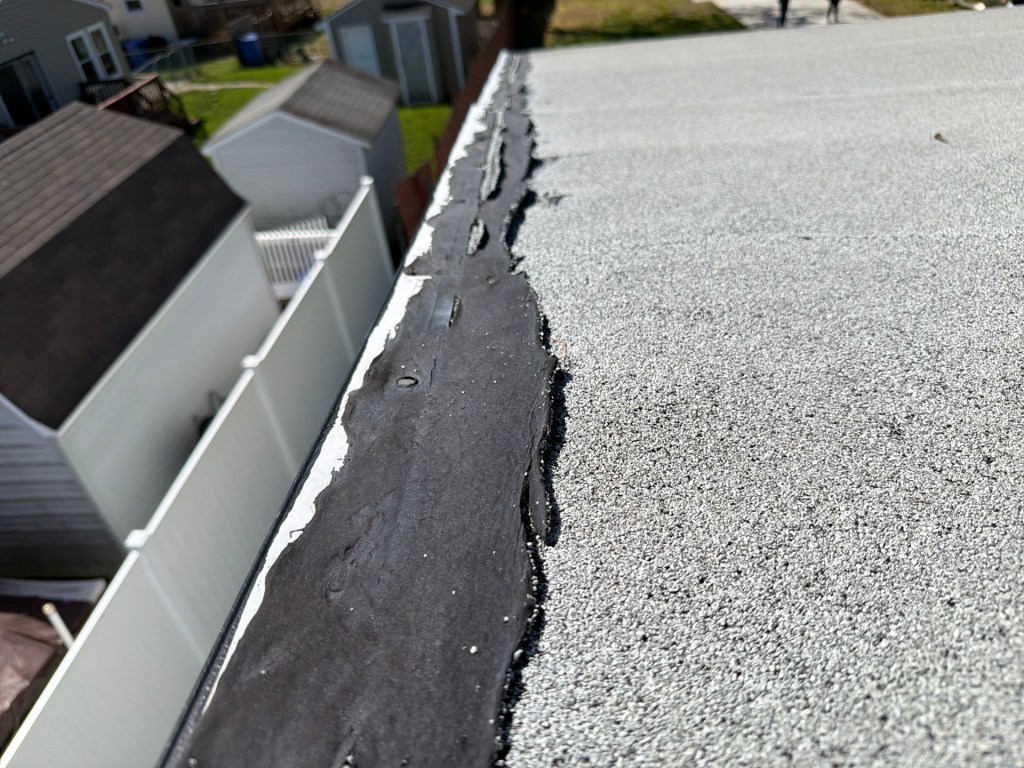
In homes throughout Mercer and Burlington County, flashing issues are more common than many people realize. Over time, materials break down. Sealants dry out and crack. Metal can corrode. In some cases, flashing was never installed correctly to begin with.
Winter makes all of this worse. Ice buildup and repeated freezing and thawing can shift materials just enough to create small openings. These openings may not be obvious until a heavy spring rain exposes them.
When flashing fails, the damage is often slow and hidden at first. Moisture can get into roof decking, insulation, and wall cavities before you ever see a stain on a ceiling.
H2: The Role of Drainage Around Your Home
H3: More Than Just Gutters
When people think about drainage, gutters are usually the first thing that comes to mind. While gutters are important, they are only one part of a larger system.
Your home’s drainage includes downspouts, grading around the foundation, and sometimes systems like French drains or sump pumps. All of these components work together to move water away from the house.
If any part of that system is not functioning properly, water can collect where it should not.
H3: Common Drainage Issues in Central New Jersey
In this area, we often see a few recurring problems.
Gutters become clogged with leaves and debris, especially if they were not cleaned out after the fall. Downspouts sometimes discharge too close to the foundation. In other cases, the soil around the home slopes toward the structure instead of away from it.
These may seem like minor issues, but over time they can lead to significant moisture problems, particularly in basements and crawlspaces.
H2: How Roof Problems and Drainage Problems Work Together
One of the biggest misconceptions homeowners have is thinking of roof issues and drainage issues as separate concerns. In reality, they are closely connected.
If roof flashing allows water into the structure, that moisture has to go somewhere. It often travels downward, moving through walls and eventually settling near the foundation.
At the same time, if your exterior drainage is poor, water is already collecting around the base of your home. When these two conditions happen together, it increases the likelihood of more serious issues like foundation cracks, basement water intrusion, and even mold growth.
This is why it is important to look at the home as a complete system rather than focusing on one component at a time.
H2: What We Commonly See During Spring Inspections
As a local inspection company working throughout Mercer and Burlington County, we see patterns every spring.
H3: Loose or Damaged Flashing

Flashing around chimneys and vents is especially vulnerable to winter weather. It is common to find sections that have lifted slightly or sealant that has failed.
H3: Gutters That Are Not Draining Properly
Clogged gutters can cause water to overflow and run down the exterior walls of the home. Over time, this can lead to staining, wood rot, and even interior moisture issues.
H3: Downspouts That Terminate Too Close to the House
Water should be directed well away from the foundation. When it is not, it saturates the soil directly around the home.
H3: Grading That Slopes the Wrong Way
Improper grading is one of the most overlooked issues. Even a slight slope toward the house can direct a surprising amount of water against the foundation.
H3: Early Signs of Interior Moisture
Sometimes the first clues are subtle. A faint musty smell, minor discoloration on a ceiling, or slightly elevated humidity levels inside the home can all point to a developing issue.
H2: Why a Professional Inspection Matters
H3: What a Thorough Inspection Covers
A proper spring inspection goes beyond a quick visual check. It involves evaluating how water moves across and around your home.
At Dynamic Inspections LLC, this includes looking closely at roof penetrations, flashing conditions, gutter performance, and the overall grading of the property. We also look for signs that moisture has already made its way inside.
If you want to learn more about what is included, you can learn more about what’s included in a home inspection here”
What’s included in a home inspection
H3: The Value of Experience
Many of these issues are not obvious unless you know what to look for. Small details can make a big difference. Catching a minor flashing issue early is far less expensive than dealing with structural repairs or mold remediation later on.
H2: Practical Steps Homeowners Can Take This Spring
There are a few simple things homeowners can do to reduce risk.
H3: Take a Close Look at the Roof
From the ground, look for anything that seems out of place. Pay attention to areas around chimneys and vents.
H3: Clean and Test Gutters
Make sure gutters are clear and that water flows freely through downspouts during a rain.
H3: Check Where Water Is Discharging
Water should be moving away from the home, not pooling near the foundation.
H3: Walk the Perimeter of the House
Look for low spots, erosion, or areas where water tends to collect.
H3: Schedule a Professional Inspection
Even if everything appears fine, a professional evaluation can provide peace of mind and catch issues you might not see.
H2: The Link Between Moisture and Indoor Air Quality

Water intrusion is not just a structural concern. It also affects the air you breathe inside your home.
When moisture is present for extended periods, it creates an environment where mold can develop. Some molds associated with water damage can impact indoor air quality and contribute to respiratory issues.
If you are concerned about this, you can learn more about the importance of mold testing here:
The Importance of Mold Testing for Indoor Air Quality
For additional general information, the Environmental Protection Agency provides guidance on indoor air quality:
https://www.epa.gov/indoor-air-quality-iaq
H2: What This Means for Buyers and Sellers
Spring is one of the busiest times for real estate in Mercer and Burlington County.
For buyers, hidden water issues can turn into unexpected expenses after closing. For sellers, unresolved problems can slow down or complicate a transaction.
Having a clear understanding of the condition of the home helps both sides move forward with confidence.
H2: Why Local Knowledge Makes a Difference
Homes in this region are affected by specific conditions. Seasonal weather patterns, soil types, and the age of many homes all play a role in how water impacts a property.
Working with a local inspection company means working with someone who understands these patterns and knows where problems are most likely to show up.
H2: Final Thoughts
Spring is the ideal time to take a closer look at how your home handles water. Issues with roof flashing and drainage systems often go unnoticed until they become bigger problems.
A little attention now can prevent much larger repairs down the road. Whether you are planning to stay in your home long term or preparing to buy or sell, this is the time to act.
H2: Schedule Your Spring Inspection
Dynamic Inspections LLC provides detailed, education-focused inspections throughout Mercer County and Burlington County, NJ.
To schedule an inspection or learn more, visit:
https://dynamicinspections.net