NJ Lead Safe Inspections: Municipal Requirements, Dust Testing, and How to Prepare

NJ lead safe inspections are not identical in every town. Depending on the municipality, a covered rental may qualify through a visual assessment, or dust wipe sampling may be required. That difference matters when you schedule service, prepare the property, and review the results. Dynamic Inspections helps New Jersey property owners understand the inspection process, recognize conditions that need attention, and plan the right next step.
If you own an older rental in Mercer, Burlington, Camden, or another New Jersey county, start with the actual property address. A mailing address, a neighboring town’s policy, or a certificate from another unit cannot establish the requirements for your rental.
This guide explains the statewide framework, the municipal distinction, and the practical maintenance that supports lead-safe conditions long after an inspection appointment.
Which New Jersey rentals are covered?
New Jersey’s rental lead law, originally P.L. 2021, c. 182 and amended by P.L. 2024, c. 74, generally covers pre-1978 rental dwelling units unless an exemption applies. Single-family rentals and units in two-family and multiple-family buildings can be covered.
Examples of exemptions include construction during or after 1978, valid lead-free certification, qualifying seasonal rentals, and certain long-registered multiple-family buildings meeting the statutory inspection-history conditions. A valid lead-safe certificate also affects whether another inspection is presently required. Verify documentation before relying on an exemption.
Owner-occupied housing that is not rented is outside this particular periodic rental-inspection framework, though an owner can still seek an evaluation. A separate lead order, renovation project, or housing program may create additional obligations.
The state’s DCA rental lead inspection resources provide program guidance and municipality information. Some older guidance still describes superseded timing, so current legislation and the current certificate form matter when checking renewal dates.
When is an inspection required, and how long does certification last?
Under the amended law, lead-safe certificates are valid for three years. Covered units are inspected every three years or at tenant turnover, whichever occurs first, with a turnover exception when the owner holds a valid lead-safe certificate. The amended initial deadline was July 22, 2025, or earlier turnover. It is not a future grace period.
Read the certificate you actually have. If an older document shows a different expiration date, seek confirmation before treating it as automatically extended. Keep reminders tied to the applicable dates rather than rely on the month you remember scheduling the appointment.
For occupied rentals, coordinate access and provide appropriate notice. For a vacant unit, arrange repairs, cleanup, inspection, and laboratory processing before the next move-in. A last-minute appointment leaves little room for corrective work if the property is not ready.
NJ lead safe inspections depend on the municipality
The visual-versus-dust distinction comes from a state framework using municipal childhood blood lead data. Where the relevant percentage is below the statutory threshold, a visual assessment may be used. Where it reaches the threshold, dust wipe sampling is required. The published municipality designation is the practical starting point for owners.
Do not assume that all of Mercer County uses one approach, or that a Burlington County property has the same requirement as a Camden County property. Trenton, Hamilton Township, Ewing, Princeton, and Bordentown are separate jurisdictions. A postal city name can also differ from the governing municipality.
When requesting service, provide the street address, municipality, unit number, building age, and existing certificate. We can help you work through the applicable inspection method and the local submission steps. If dust sampling is required, a visual-only visit cannot replace it.
Owners in visual-assessment municipalities can also elect dust testing through a qualified lead evaluation contractor under the amended law. That may be useful when you want laboratory information about settled dust, but it should be discussed as part of the service scope.
Visual assessment versus visual review with dust testing
A visual assessment examines painted components for deterioration and visible dust, debris, or residue. It pays particular attention to friction and impact surfaces, such as operating windows and rubbing doors. It cannot measure invisible lead dust.
Where dust testing is required, representative surfaces are sampled under an accepted protocol. At Dynamic Inspections, visual observations help owners understand potential sources as part of evaluating the property. The state dust-sampling procedure permits an accompanying visual assessment. We use those observations to help explain maintenance concerns alongside the laboratory findings.
The distinction is useful for customers: visual assessment answers a condition question, while dust sampling adds laboratory evidence. Neither service should be represented as a complete lead-free determination without the evaluation required for that conclusion.
Learn more about our New Jersey lead-safe inspection and risk assessment services, then tell us what prompted your request: periodic certification, tenant turnover, a failed report, or a concern about a particular room.
What we look for inside the rental
We focus on conditions that can create or collect paint-related dust. A freshly decorated living room does not answer what is happening at the bedroom window, along the hallway baseboard, or behind a door that repeatedly strikes its frame.
- Paint condition: peeling, cracking, flaking, chalking, loose coatings, and visible chips.
- Windows: worn painted parts, rubbing components, sill debris, and damage associated with moisture.
- Doors and trim: friction, impact damage, and deteriorated edges.
- Floors and ledges: settled dust or debris that may need investigation and cleanup.
- Repair history: unfinished painting, recent disturbance, or recurring deterioration at the same location.
Shared interior spaces also need attention. The amended law specifically includes common areas in buildings containing two or three dwelling units. Discuss accessible hallways, stairs, foyers, basements, laundry spaces, and garages when planning the scope.

What exactly does dust wipe testing involve?
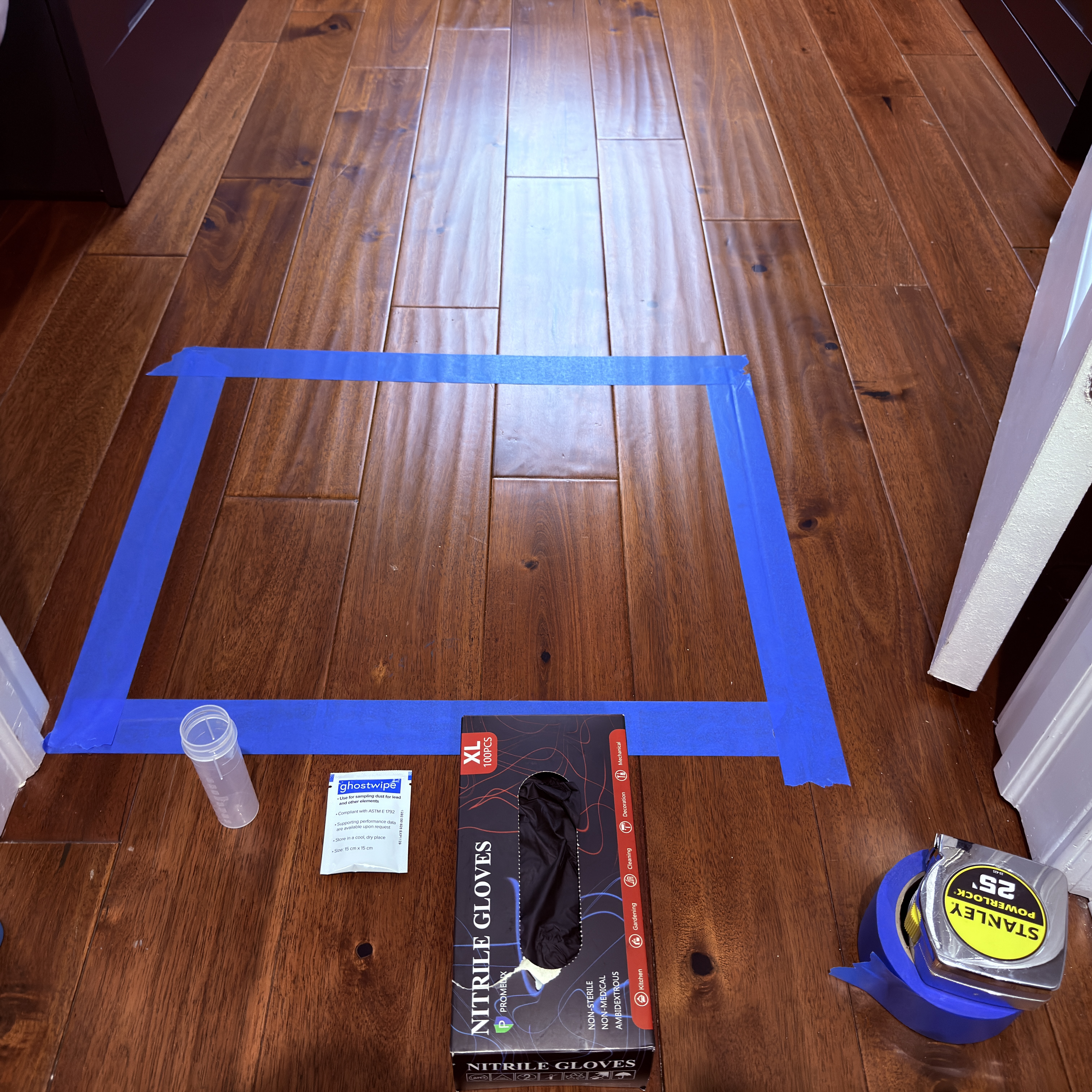
The inspector wipes a measured area with a sampling wipe, records the location, and sends the sample for laboratory analysis. Floors and interior windowsills are important sampling surfaces. Measurements and labeling allow the result to be interpreted for the correct area.
NJ lead safe inspections involving dust sampling follow accepted HUD methods and state requirements. There is not a single bedroom-count formula in the rental rule that owners should apply to every layout. The sampling plan needs to fit the dwelling, required surfaces, and inspection purpose.
A dust report is different from a paint test. Dust sampling evaluates lead on the sampled surface; it does not identify every lead-painted component. A broader lead-based paint inspection or risk assessment may be appropriate when the question extends beyond periodic rental certification.
What dust levels pass under the published NJ code?
N.J.A.C. 5:17-3.5(b), in DCA’s published Lead Hazard Evaluation and Abatement Code, identifies the following dust loadings as hazards. For those criteria, a result must be below the listed hazard level. A value equal to the level is not below it.
| Surface | Published NJ hazard level | Below that level |
|---|---|---|
| Floor | 10 µg/ft² or greater | Less than 10 µg/ft² |
| Interior windowsill | 100 µg/ft² or greater | Less than 100 µg/ft² |
| Window well | 400 µg/ft² or greater | Less than 400 µg/ft² |
These are published NJ code criteria, not universal limits for every lead project. Federal post-abatement standards, agency orders, or other program requirements may be stricter. EPA’s newer federal clearance values include 5 µg/ft² for floors, 40 for interior sills, and 100 for troughs, with jurisdiction-specific implementation. Confirm the governing criteria for your inspection rather than assume a laboratory’s reference column answers every regulatory question.
The NJ Lead Hazard Evaluation and Abatement Code provides the state hazard table. Your inspector should explain the criterion used in your report and the implications for certification.
What causes a property to fail?
In a visual assessment, deteriorated painted surfaces and visible paint-related dust or debris can prevent a satisfactory outcome. In dust testing, an unacceptable result needs correction and follow-up. A unit that looks clean can still have lead dust on a sampled sill.
Passing one bedroom does not cancel a failing result in another. Consider a report identifying a second-floor front bedroom sill and a second-floor middle bedroom sill. The owner needs to address those documented locations, investigate potential sources, and follow the required retesting plan.
Access problems are different from confirmed hazards. If the required window or floor cannot be reached, the inspection may remain incomplete. Clear the work areas and explain any access limitations before the appointment so they do not become an avoidable delay.
Why exterior maintenance matters to interior results
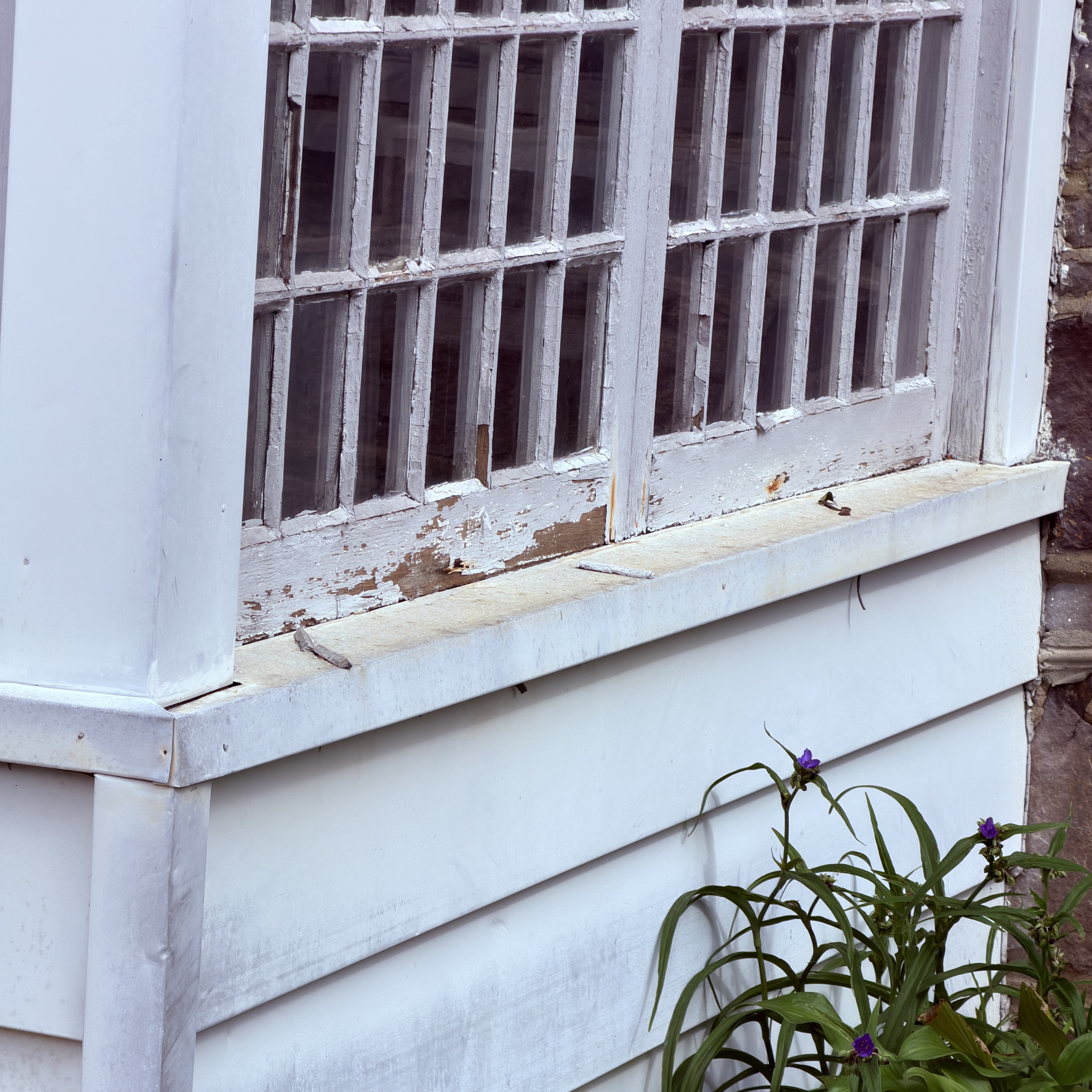
A rental lead-safe visit may focus on interior conditions, but lead-containing material can enter from outside. Peeling soffit or cornice paint can fall onto a stoop or threshold. When the coating contains lead, foot traffic can carry contaminated debris and dust indoors.
Deteriorated exterior window paint can also contribute material around the window opening. Dust and chips may collect where moving components meet, then reach interior surfaces through operation, weathering, or repair activity. Recleaning the interior without considering that source may leave the condition unresolved.
A photograph cannot establish lead content, and exterior deterioration does not guarantee a failing interior sample. It does give the owner a useful maintenance question: what is shedding material, where is it landing, and how might it enter the unit?
How to reduce avoidable inspection problems
Start NJ lead safe inspections preparation with a written walkthrough. List the room and component needing attention, and record whether the problem has happened before. That information helps a contractor distinguish a one-time repair from recurring moisture or friction.
Arrange qualified repairs before final cleaning. Covered renovation work that disturbs painted surfaces in pre-1978 rentals requires appropriate RRP credentials and lead-safe practices. Formal abatement requires the relevant state-qualified professionals; RRP certification alone is not abatement authorization.
After work is complete, appropriate cleaning helps remove settled dust. Damp cleaning and HEPA methods can be part of the plan. Avoid dry sweeping suspected paint debris or aggressively scrubbing fragile coatings. Cleaning cannot stabilize a surface that continues shedding material.
Finish preparation by making sampling surfaces accessible, confirming the correct unit, and allowing time for the laboratory. Keep contractors from starting another dusty project between cleanup and testing. Ask about readiness before assuming that one fresh coat of paint has resolved every concern.
What happens after a failed NJ inspection?
The owner must address identified hazards through the appropriate approved hazard-control or abatement process. We explain the inspection findings so you can give the contractor specific locations and understand the follow-up needed.
Under the published rental-inspection regulation, interim-control remediation is followed by an additional inspection using dust wipes within 60 days of the initial inspection. That can matter even in a municipality where the initial assessment was visual. Coordinate promptly with the inspector and municipality rather than assume another visual visit is enough.
For dust failures, qualified recleaning may be needed alongside source repairs. Schedule reinspection and retesting after corrective work is complete. Passing is established by the required follow-up findings, not by a contractor’s assurance that the room now looks better.
Keep the paperwork and maintenance plan working together
Provide the required certificate to new tenants and attach it to the lease as required. Keep the report, certificate, unit identification, and maintenance records in an accessible file. Follow the municipality’s submission process and keep a renewal reminder.
For a portfolio, use one record per unit rather than one date for the entire building. Include common-area work and tenant reports. A simple log describing a rubbing window, when it was repaired, and when the area was cleaned gives the next maintenance visit useful context.
Encourage tenants to report peeling paint and recurring dust. Check vulnerable components during routine maintenance and after leaks or repairs. The goal is to sustain acceptable conditions between inspections, rather than rush through the same issues at every turnover.
Schedule NJ lead safe inspections with practical guidance
Whether your rental is in Trenton, Ewing, Hamilton Township, Bordentown, or another New Jersey community, begin with the address and the reason for the inspection. Bring your existing certificate and any prior failed report so we can help identify the right questions.
Dynamic Inspections is here to inspect, inform, and educate. We help owners understand municipal differences, prepare for testing, read their findings, and plan follow-up when needed.
Call Dynamic Inspections at 609-214-9586 or request your New Jersey lead-safe inspection. Tell us your municipality, unit details, and deadline so we can help you move forward.
Requirements reviewed October 9, 2026. Confirm address-specific procedures and any separate agency or housing-program requirements when scheduling.