Chimney & Fireplace Inspections • NJ & Eastern PA
Level 2 Chimney Inspections in New Jersey
A fireplace can look beautiful from the living room while problems remain hidden inside the chimney. A Level 2 chimney inspection in New Jersey gives homeowners and homebuyers a more detailed look at the flue, fireplace, masonry, venting system, and accessible chimney components before they use, repair, or purchase the property.
Dynamic Inspections LLC provides detailed chimney inspections with internal video scanning to help you understand what is actually happening inside the system—not just what can be seen from the fireplace opening.
What Is a Level 2 Chimney Inspection?
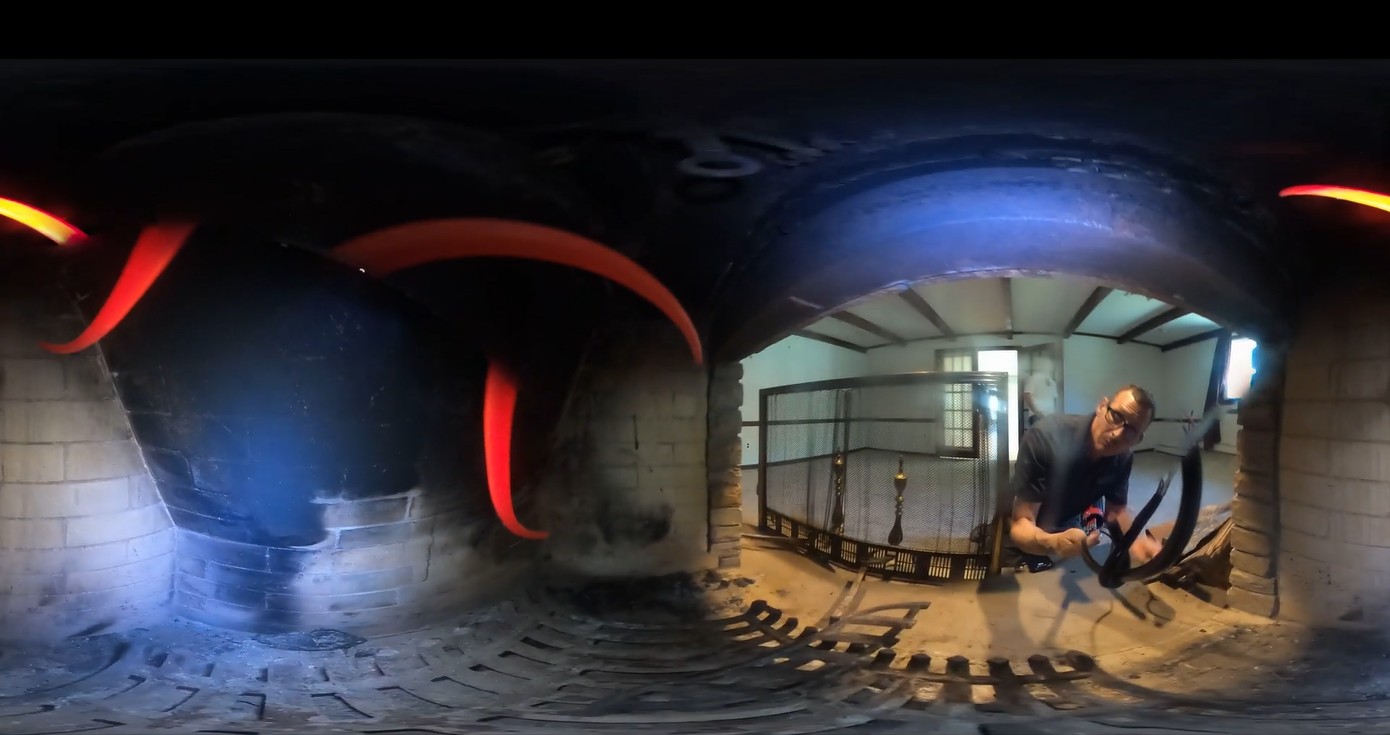
A Level 2 chimney inspection is a more detailed evaluation than a basic visual examination of readily accessible chimney components. It is commonly appropriate during a real estate transaction, after changes to an appliance or fuel type, after certain events that may have damaged the chimney, or whenever a more detailed evaluation of internal chimney conditions is warranted.
One of the most valuable parts of the inspection is internal video scanning of the flue. This allows us to examine areas that cannot be adequately viewed simply by looking up through the fireplace.
Why a Fireplace Inspection Is About More Than the Fireplace
The fireplace is only the portion of the system you can easily see.
Above it may be a smoke chamber, flue liner, one or more flue sections, masonry, a chimney crown, cap, flashing, and sometimes heating-appliance connections. Portions of the system may extend 20, 30, or more feet through the home and above the roof.
A fireplace can appear clean and well maintained while defects exist farther up the chimney.
That is why we look at the chimney as a system rather than simply examining the firebox and saying it looks fine.
What Does Our Chimney Inspection Include?
The exact scope depends on the chimney configuration and accessibility, but our inspection is designed to provide a much clearer understanding of the system than a casual visual examination.
See What a Level 2 Chimney Camera Can Reveal
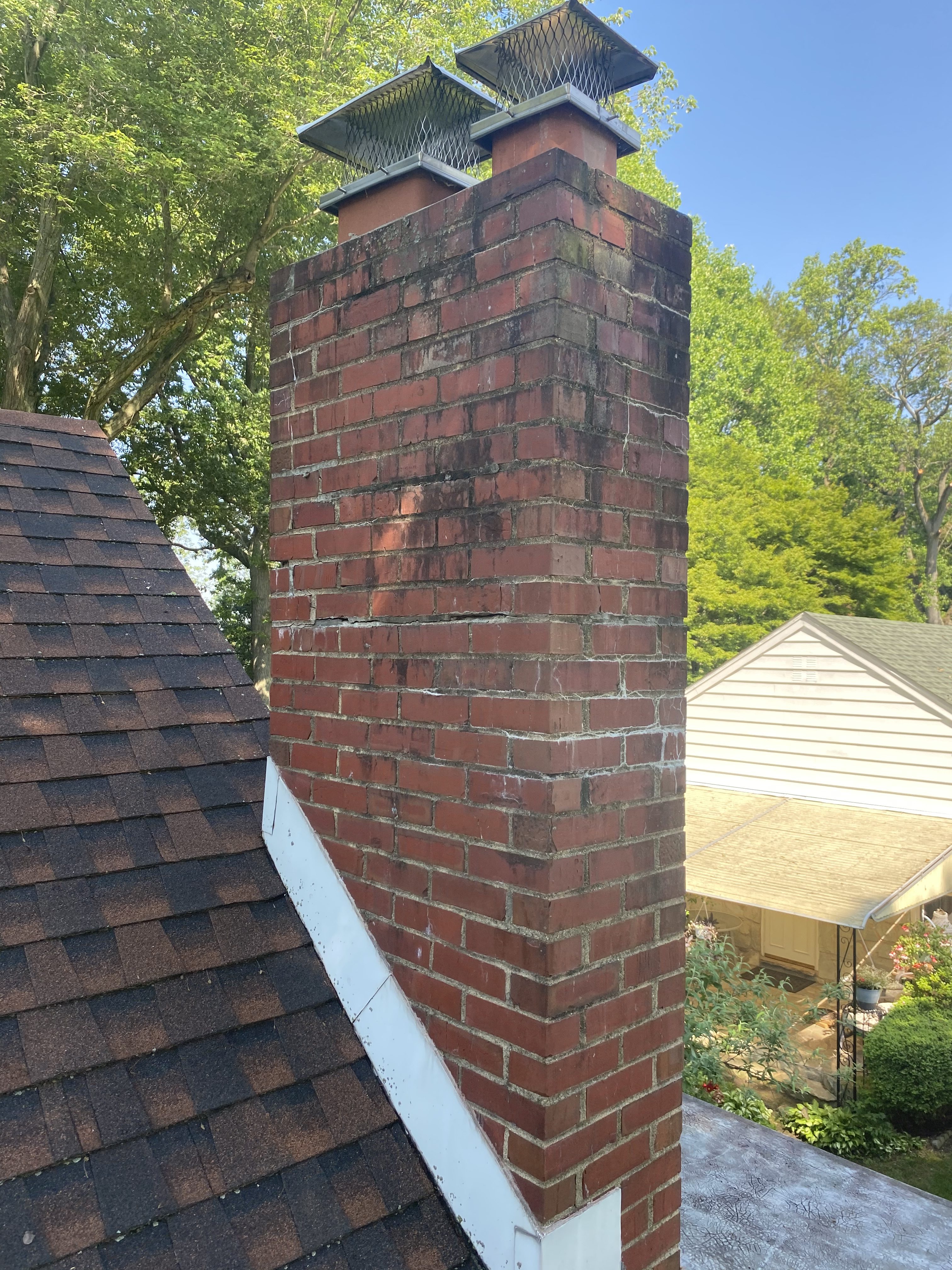
This is where a more detailed chimney inspection becomes especially valuable.
From the fireplace opening, an inspector or homeowner may see only a relatively small portion of the flue. Internal video equipment provides a much closer look at accessible surfaces farther into the chimney.

What Can Be Found During a Level 2 Chimney Inspection?
No two chimneys are exactly alike. Age, construction, maintenance, weather exposure, fireplace use, heating-equipment changes, and previous repairs all influence what we may find.
Flue Liner Damage
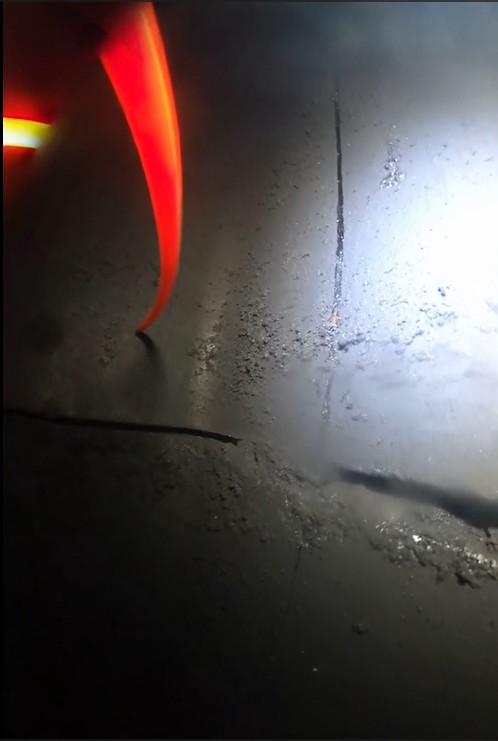
Clay liner sections can crack, deteriorate, become displaced, or develop openings at joints that may not be visible from the fireplace opening.
Masonry Deterioration
Brick, mortar joints, crowns, and other masonry components can deteriorate from age, moisture exposure, and repeated freeze-thaw cycling.
Obstructions
Bird nests, leaves, debris, deterioration products, and other materials can partially or completely obstruct portions of a chimney.
Water Intrusion
Cracked crowns, deteriorated masonry, failed flashing, and other exterior conditions can allow moisture into the chimney and surrounding building components.
Venting Problems
Heating-appliance connectors can become corroded, separated, improperly pitched, damaged, or otherwise unsuitable for continued service.
Previous Repairs
Older chimneys may have been patched, altered, relined, abandoned, or connected to different equipment multiple times over the life of the home.
Animal Nests and Chimney Obstructions
An unused chimney is not necessarily an empty chimney.
Birds and other animals can enter an unprotected chimney and build nests inside. Leaves, debris, deteriorated masonry, and other materials can also accumulate in the flue.
An obstruction may be difficult or impossible to identify by simply looking into the fireplace.
If the chimney is later placed back into service, that hidden material can interfere with proper operation and venting.


Chimneys Serving Furnaces, Boilers & Water Heaters
Chimney inspection is not only about wood-burning fireplaces.
Many older New Jersey homes use masonry chimneys to vent oil- or gas-fired boilers, furnaces, or water heaters.
These systems have their own concerns. Metal vent connectors can rust or separate. Older masonry flues can deteriorate. Moisture and acidic combustion byproducts can affect chimney materials. Appliances may also have been changed over the years without the chimney receiving the same level of attention.
A heating contractor servicing an appliance does not necessarily mean that the entire chimney has been evaluated.
New Jersey Weather Can Be Tough on Masonry Chimneys
One of the biggest enemies of a masonry chimney is water.
New Jersey chimneys spend decades exposed to rain, snow, heat, wind, and winter freeze-thaw cycles. Brick and mortar can absorb moisture. When water enters porous masonry and freezes, expansion can contribute to deterioration over time.
Conditions may include:
- Open or deteriorated mortar joints
- Spalling brick
- Cracked or deteriorated chimney crowns
- Efflorescence and staining
- Loose masonry
- Corrosion of metal components
- Failed previous patching or sealant repairs
- Water intrusion around the roof and chimney intersection

Exterior Condition Matters Too
The internal flue is important, but it is only part of the chimney.
Exterior deterioration can allow water into the assembly and may eventually affect surrounding roofing, sheathing, framing, ceilings, and finishes.
That is why our approach considers how the chimney relates to the rest of the building—not just what the camera sees inside the flue.
When Should You Get a Level 2 Chimney Inspection?
There are several situations where a more comprehensive chimney inspection makes sense.
When Buying a Home
A fireplace can be a major selling feature, but appearance alone does not tell you whether the chimney is ready for use.
For homebuyers, a Level 2 chimney inspection can provide additional information before closing, particularly when the chimney's service history is unknown.
After a Change in Heating Equipment or Fuel
Replacing a furnace, boiler, fireplace insert, stove, or other connected appliance can change the way a chimney operates. Changes in fuel type can also affect venting requirements.
After a Known or Suspected Chimney Fire
A chimney fire may damage internal components that are not visible from the room. A more detailed inspection may be needed before continued use.
When a Fireplace Hasn't Been Used in Years
Not using a fireplace does not preserve the chimney. Water intrusion, animal activity, debris, masonry deterioration, and aging continue even while the fireplace sits unused.
When You Notice a Problem
Water stains, loose masonry, unusual odors, smoke entering the room, poor draft, debris in the fireplace, rusted components, damaged caps, or visible exterior deterioration are all reasons to take a closer look.
Buying a Home With a Fireplace?
Do not assume the chimney is ready to use simply because the fireplace looks clean.
A Level 2 chimney inspection can give you a much clearer understanding of the system before you take ownership of the property.
A Standard Home Inspection and a Level 2 Chimney Inspection Are Not the Same Thing
A general home inspection evaluates readily accessible chimney and fireplace components within the scope of the home inspection.
That does not provide the same internal view of the flue as a dedicated Level 2 chimney inspection with video scanning.
If you are purchasing a home with a fireplace, adding a chimney inspection can help fill that information gap.
Learn more about our home inspection services in New Jersey and Eastern Pennsylvania.
Our Approach: Inspect, Inform & Educate
We do not believe an inspection should simply produce a long list of defects.
Our job is to help you understand what we found, why it matters, and what should happen next.
Some chimney findings require repair. Others may require cleaning, additional evaluation, routine maintenance, or simply monitoring over time.
The goal is clarity—not unnecessary alarm.

Why Choose Dynamic Inspections LLC?
Dynamic Inspections LLC approaches chimney inspections from a broader property-inspection and building-science perspective.
That means we consider the relationship between the chimney, masonry, roofing, flashing, moisture conditions, fireplace, heating equipment, and surrounding building components rather than looking at each item in isolation.
This is particularly useful in older New Jersey homes where chimneys may have been repaired, altered, abandoned, relined, or repurposed several times over the life of the property.
Our mission is straightforward: Inspect. Inform. Educate.
You can learn more about our complete property inspection services.
Chimney Inspection Service Area
Dynamic Inspections LLC serves homeowners, homebuyers, sellers, investors, and property owners throughout a broad portion of New Jersey and nearby Eastern Pennsylvania.
Our primary chimney inspection service area includes Burlington County and Mercer County and extends into portions of Monmouth, Middlesex, Ocean, Somerset, Hunterdon, Camden, Gloucester, Bucks County, and surrounding communities generally within approximately 90 minutes of Bordentown, New Jersey.
Communities commonly within our service area include Bordentown, Hamilton, Robbinsville, Princeton, Lawrence Township, West Windsor, East Windsor, Hopewell, Pennington, Burlington, Mount Laurel, Moorestown, Medford, Marlton, Mount Holly, Chesterfield, Columbus, Florence, Allentown, Freehold, Jackson, Hightstown, and surrounding areas.
Visit our Areas We Serve page or contact us if you are unsure whether your property is within our normal service area.
Frequently Asked Questions About Chimney Inspections
What is the difference between a Level 1 and Level 2 chimney inspection?
A Level 1 inspection is generally limited to readily accessible portions of the chimney and venting system under normal operating conditions. A Level 2 inspection is more detailed and can include accessible areas beyond the basic scope as well as internal video scanning of the flue. Level 2 inspections are commonly associated with real estate transactions, appliance or fuel changes, and circumstances where a more detailed evaluation is warranted.
Do I need a Level 2 chimney inspection when buying a house?
It is often worth considering when a home contains a fireplace or chimney and the internal condition or maintenance history is unknown. A standard home inspection cannot provide the same internal view of the flue that a dedicated chimney video inspection can provide.
Does a clean fireplace mean the chimney is safe?
No. Cleaning and inspection are different. A chimney can contain little soot or creosote and still have liner damage, masonry deterioration, an obstruction, moisture problems, or improper venting.
How often should a chimney be inspected?
Annual inspection is a good standard for fireplaces, chimneys, and venting systems. The need for cleaning depends on the type of fuel, amount of use, deposits present, and condition of the system.
Do gas and oil appliance chimneys need inspection?
Yes. Chimneys serving heating equipment can have problems involving corrosion, moisture, deteriorated liners, soot, debris, improper vent connections, or obstructions even though they are not used as wood-burning fireplaces.
Can you inspect a chimney that has not been used in years?
Yes. In fact, an unused chimney is often worth evaluating before being returned to service because water intrusion, animal activity, debris, deterioration, and aging can occur while the system is unused.
Will the inspection tell me whether the chimney needs repair?
The inspection documents observed conditions and helps identify areas that may require cleaning, maintenance, repair, additional evaluation, or monitoring. The purpose is to give you information so you can make an informed decision about the property and the next appropriate step.
Schedule a Level 2 Chimney Inspection in New Jersey
If you own a home with a fireplace or chimney—or you are preparing to purchase one—do not leave the condition of the system to guesswork.
Dynamic Inspections LLC provides detailed chimney inspections for homeowners and homebuyers throughout Central and South Jersey and surrounding areas.
We inspect the system, document what we find, and explain the results in plain language so you can make an informed decision about maintenance, repairs, budgeting, and future use.
Inspect. Inform. Educate.